
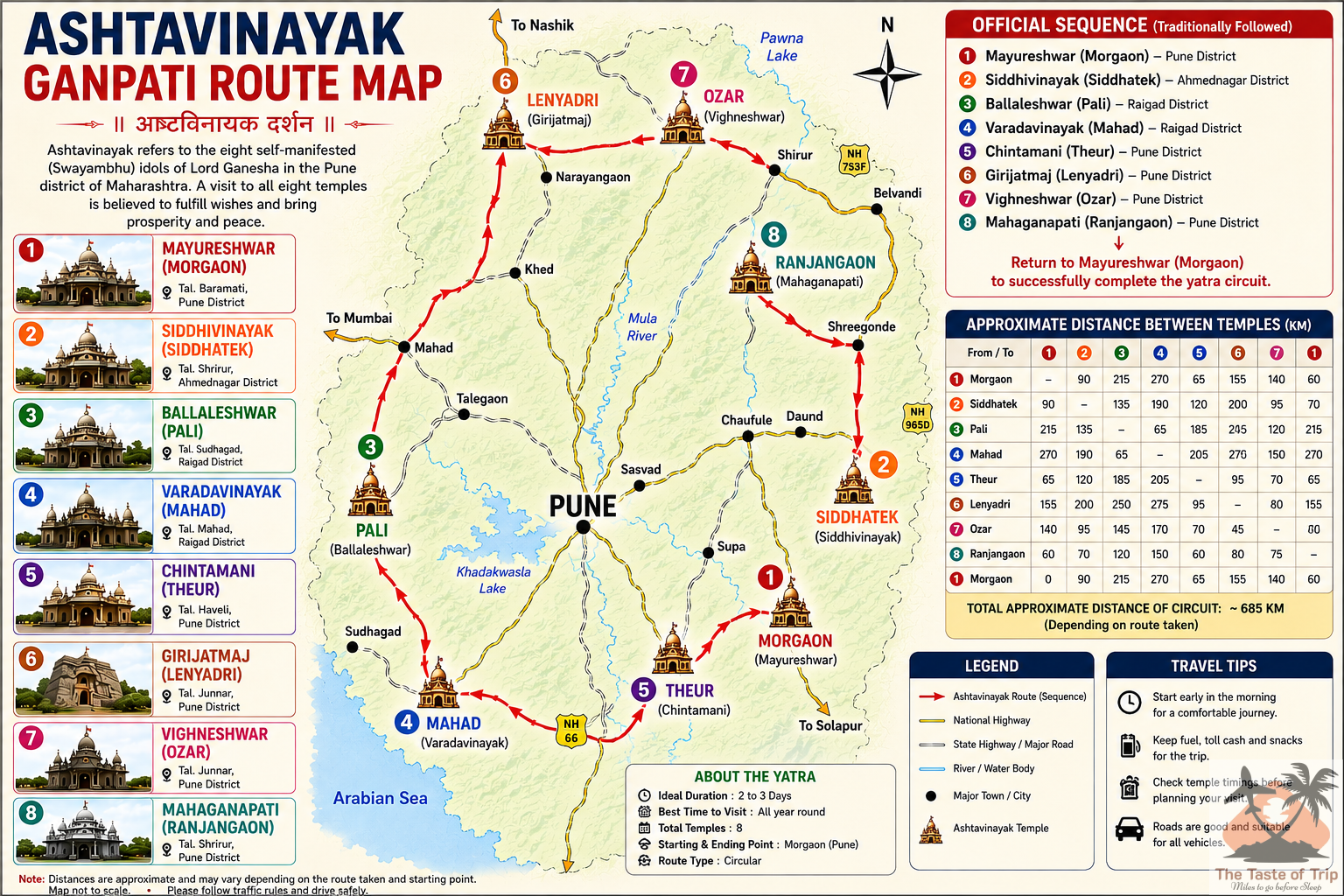
The Ashtavinayak Ganpati Yatra is a highly revered pilgrimage in Maharashtra, where devotees visit eight ancient and sacred temples of Lord Ganesha around Pune, collectively known as the Ashtavinayak. Each temple is steeped in unique legends, mythological significance, and distinct forms of the deity. Traditionally, the yatra is completed in two days, covering four temples each day in a specific sequence that both begins and ends at Morgaon.
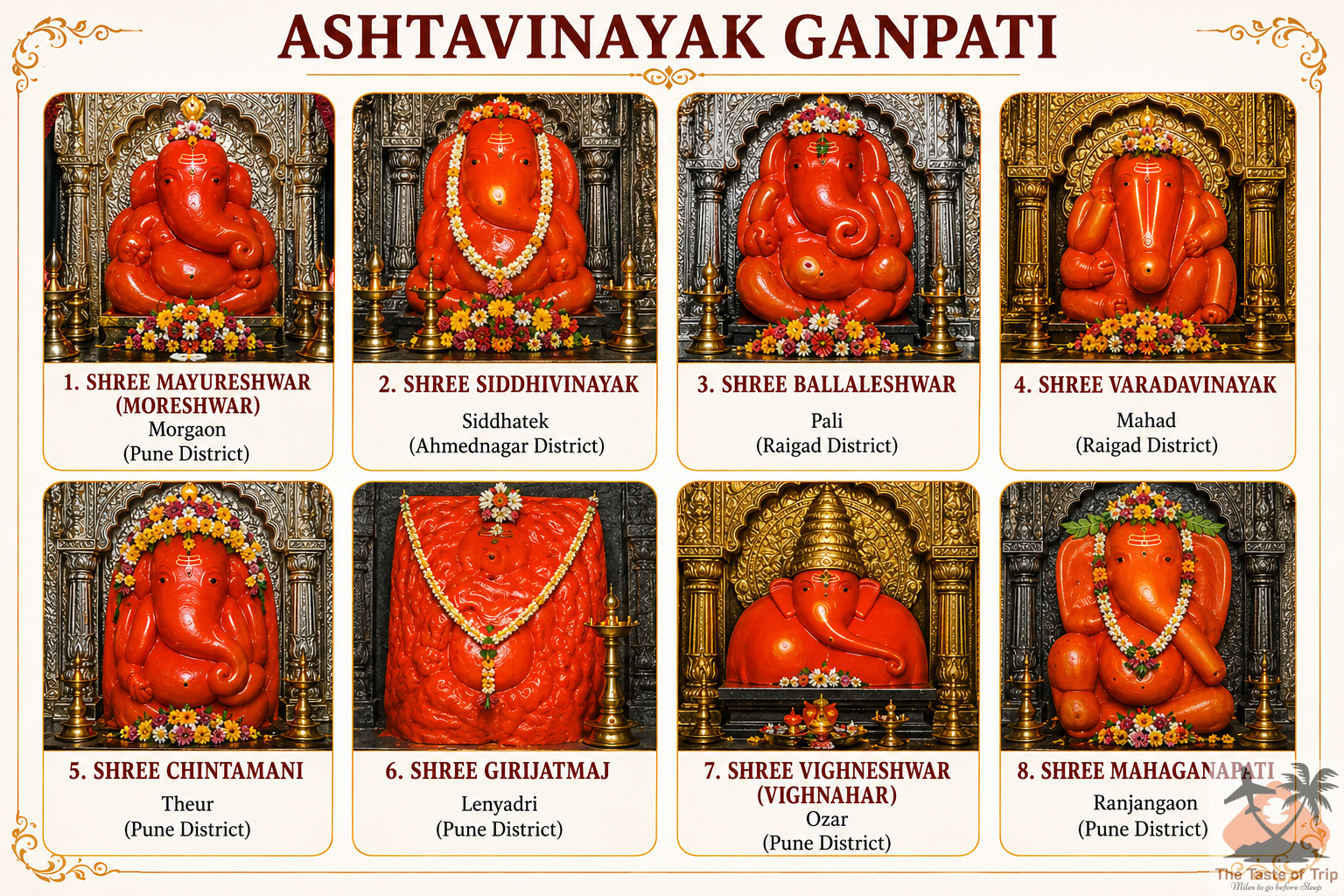
It is believed that undertaking this complete pilgrimage with devotion not only removes obstacles and fulfills desires but also brings spiritual cleansing, prosperity, and a deeper connection with Ganesha’s divine energy. Many pilgrims undertake this journey annually, especially during festivals like Ganesh Chaturthi and Sankashti Chaturthi, making it a profound blend of faith, culture, and tradition.
➥Shree Mayureshwar Ganpati – Morgaon
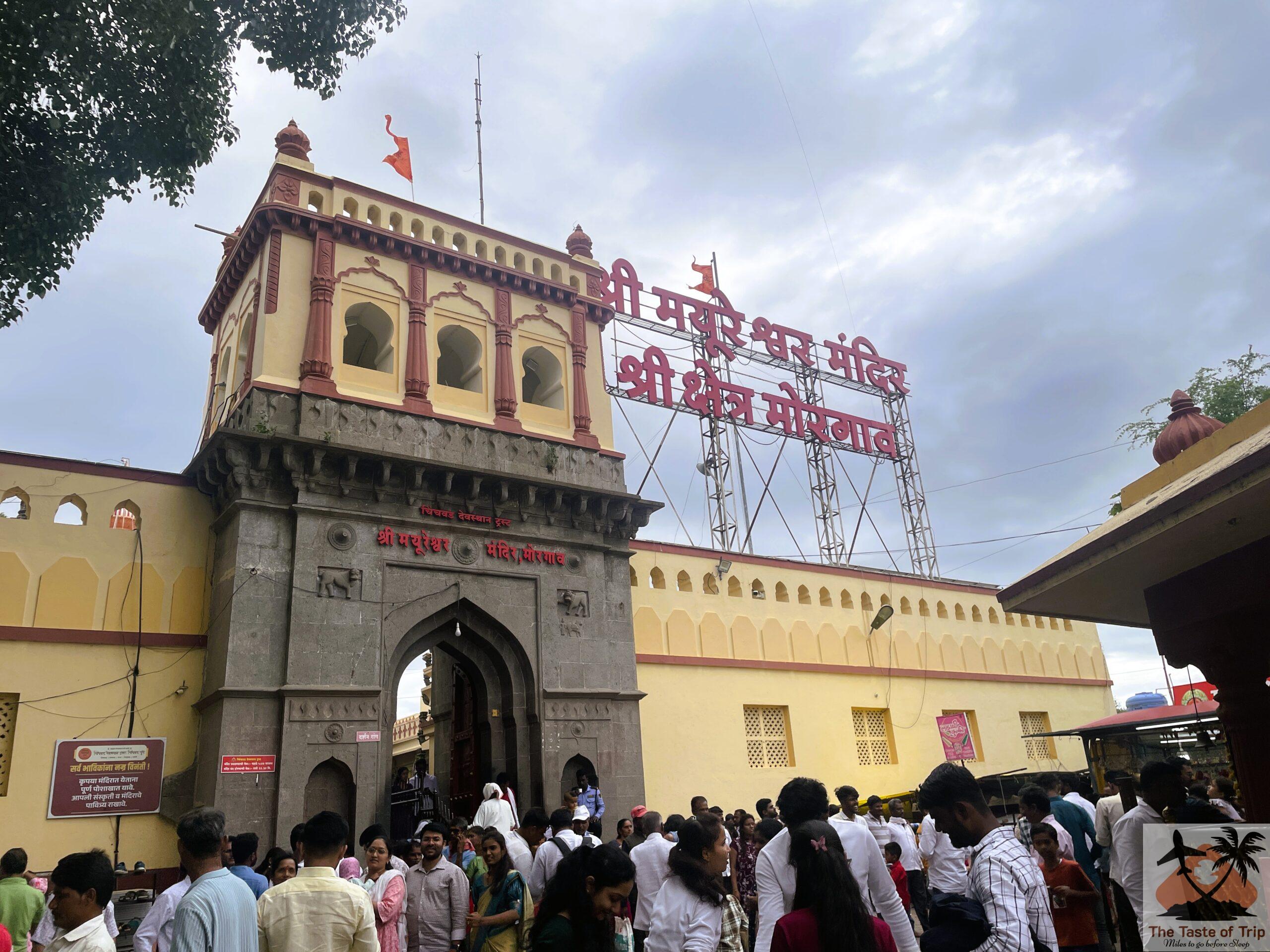
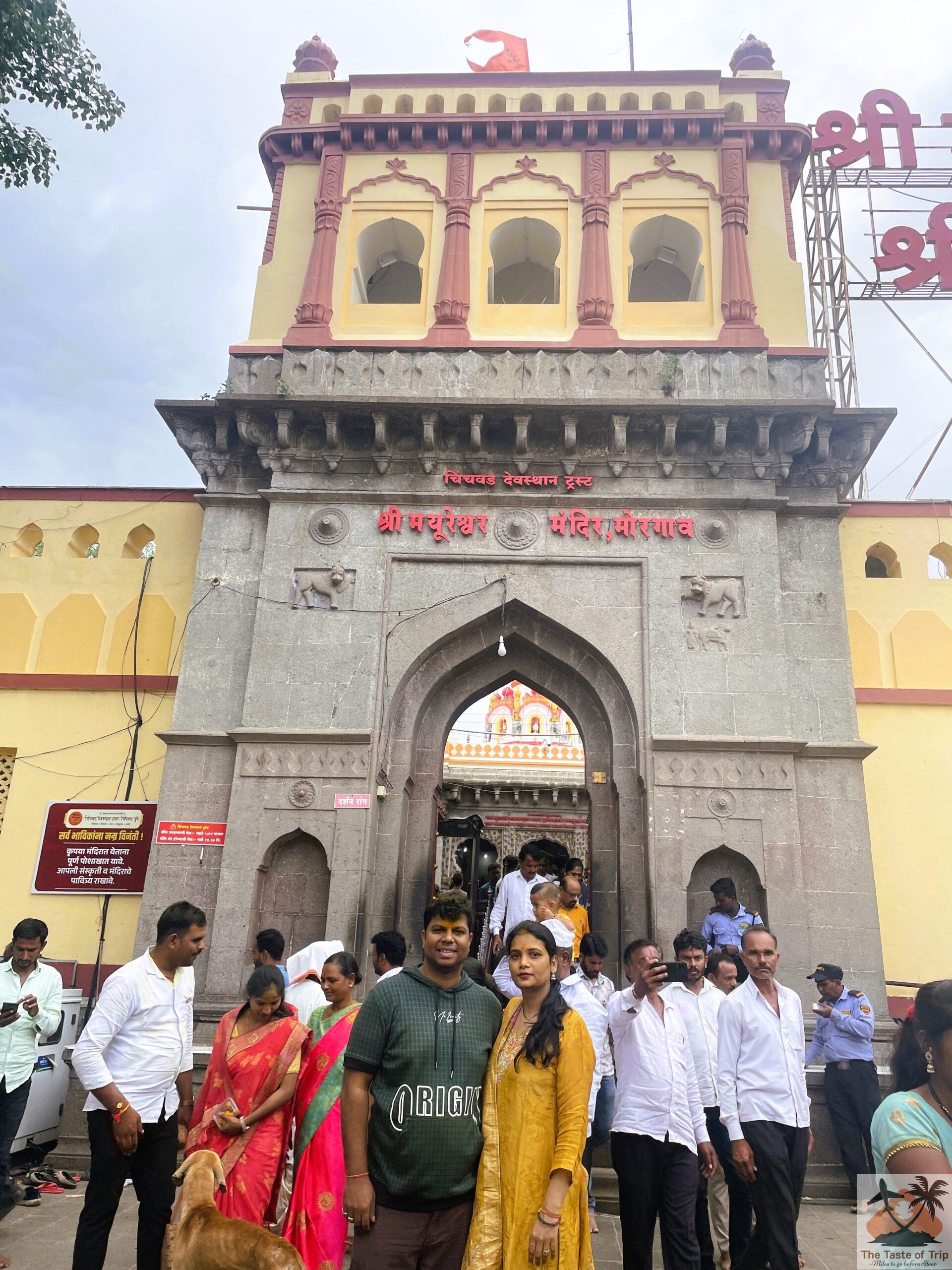
Located in Morgaon, Pune district, near Jejuri, the Mayureshwar Temple is the first and central shrine in the Ashtavinayak Ganpati Yatra, believed to be the spiritual seat of the Ganapatya sect. Legend says Lord Ganesha incarnated here as Mayureshwar, riding a peacock to slay the demon Sindhu, symbolizing the victory of knowledge over evil.
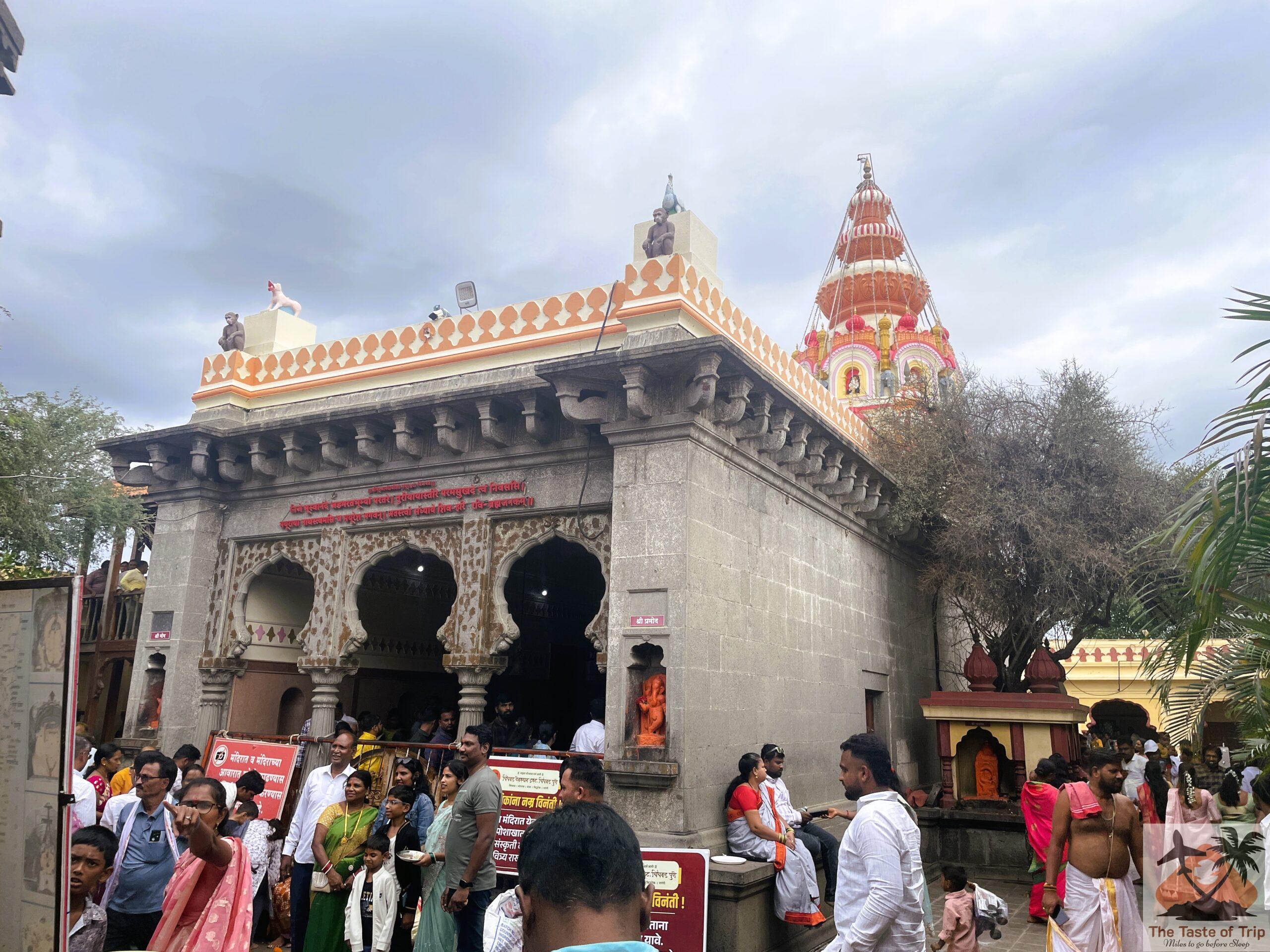 The temple, built in the 14th century, displays Yadava-style architecture with four gates representing the cardinal directions. It houses a swayambhu (self-manifested) idol and uniquely features a Nandi before the sanctum. Devotees believe that beginning the yatra here ensures a successful and spiritually fulfilling journey.
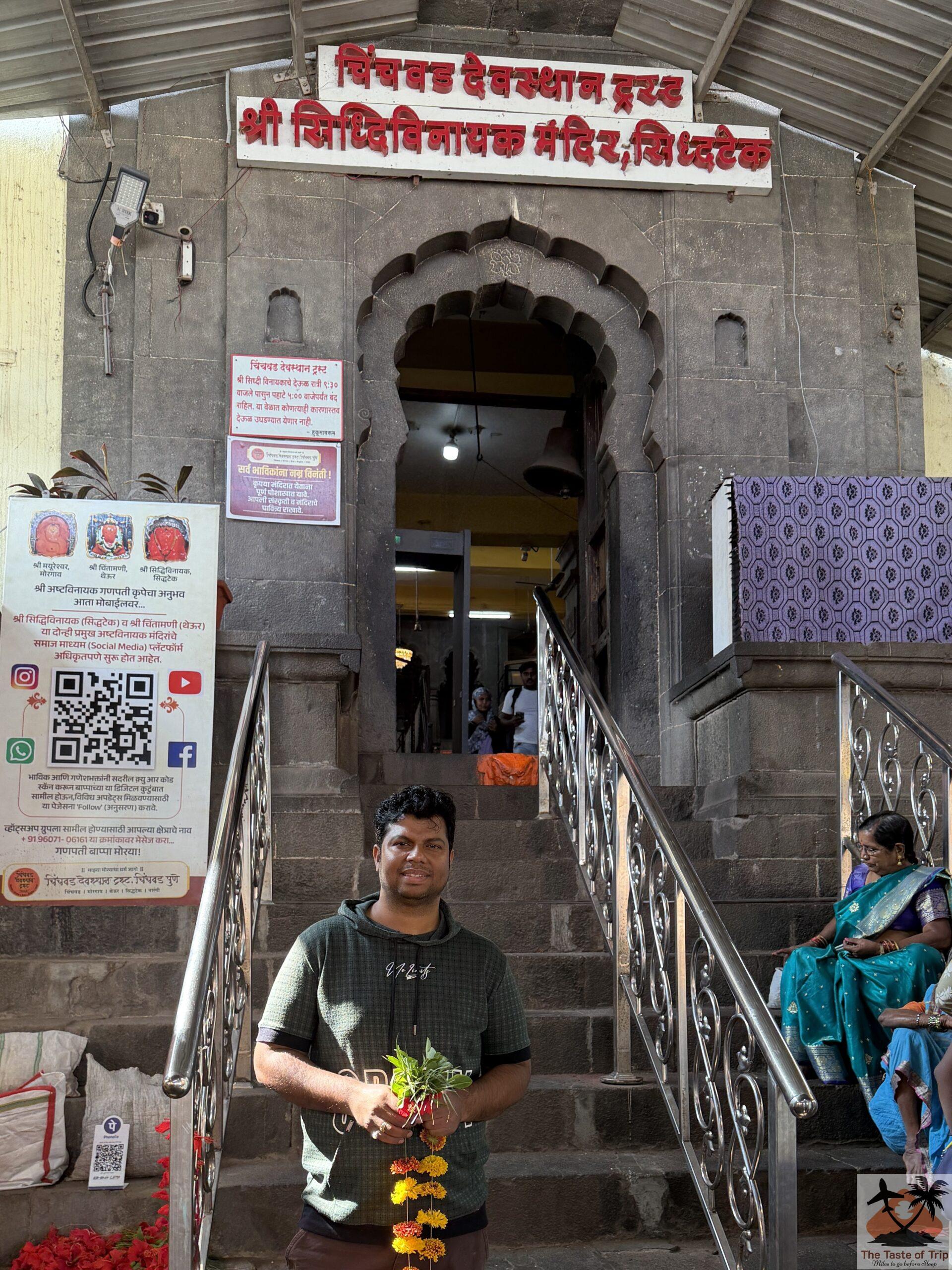
➥Shree Siddhivinayak Ganpati – Siddhatek
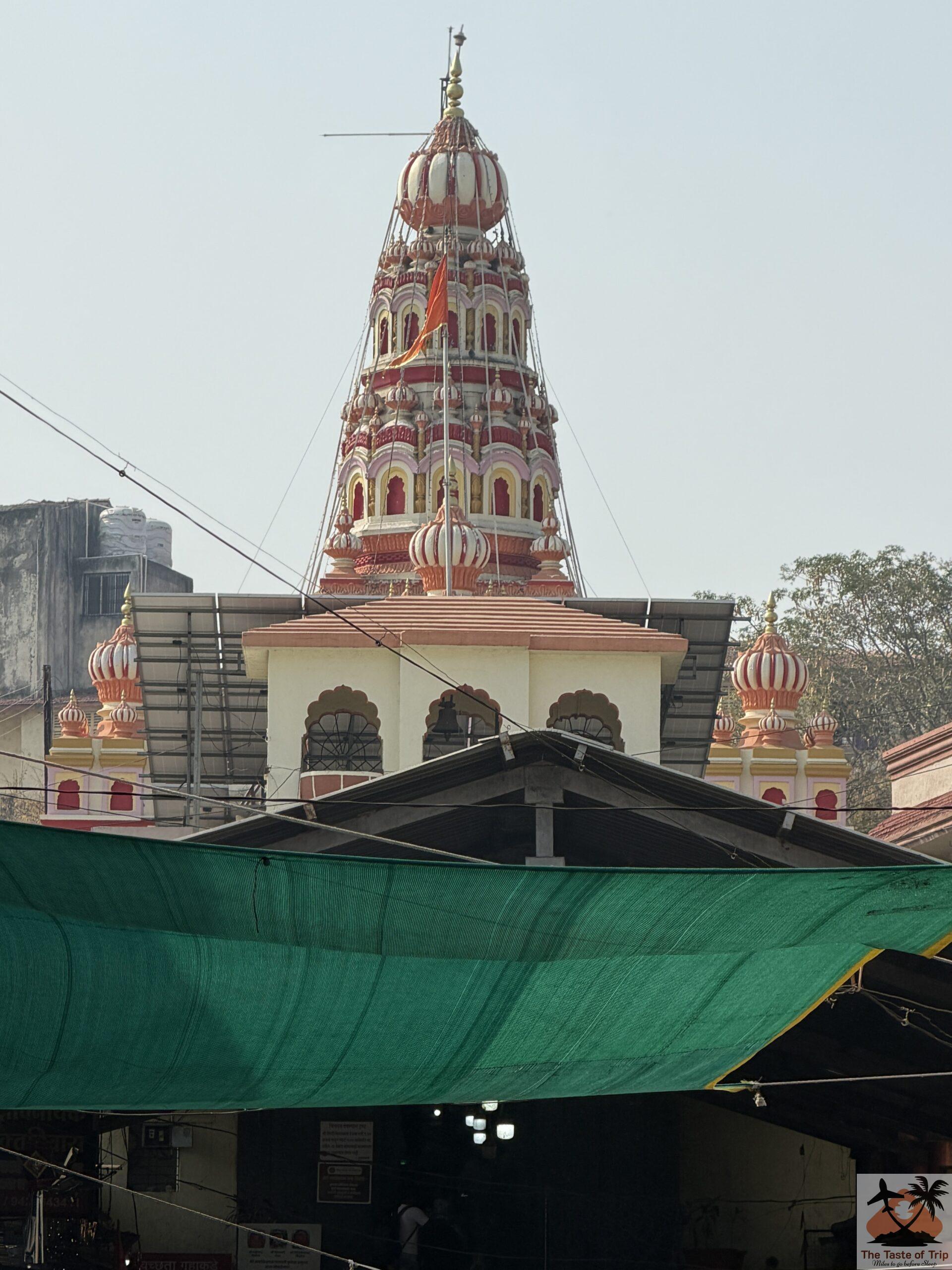
Located on a tranquil hillock along the Bhima River in Ahilyanagar (formerly Ahmednagar) district, Siddhatek is home to one of the most spiritually potent forms of Ganesha. This temple enshrines the only right-trunked idol among the Ashtavinayak temples-a form considered highly auspicious and powerful, as the right trunk represents intense energy and strict discipline.
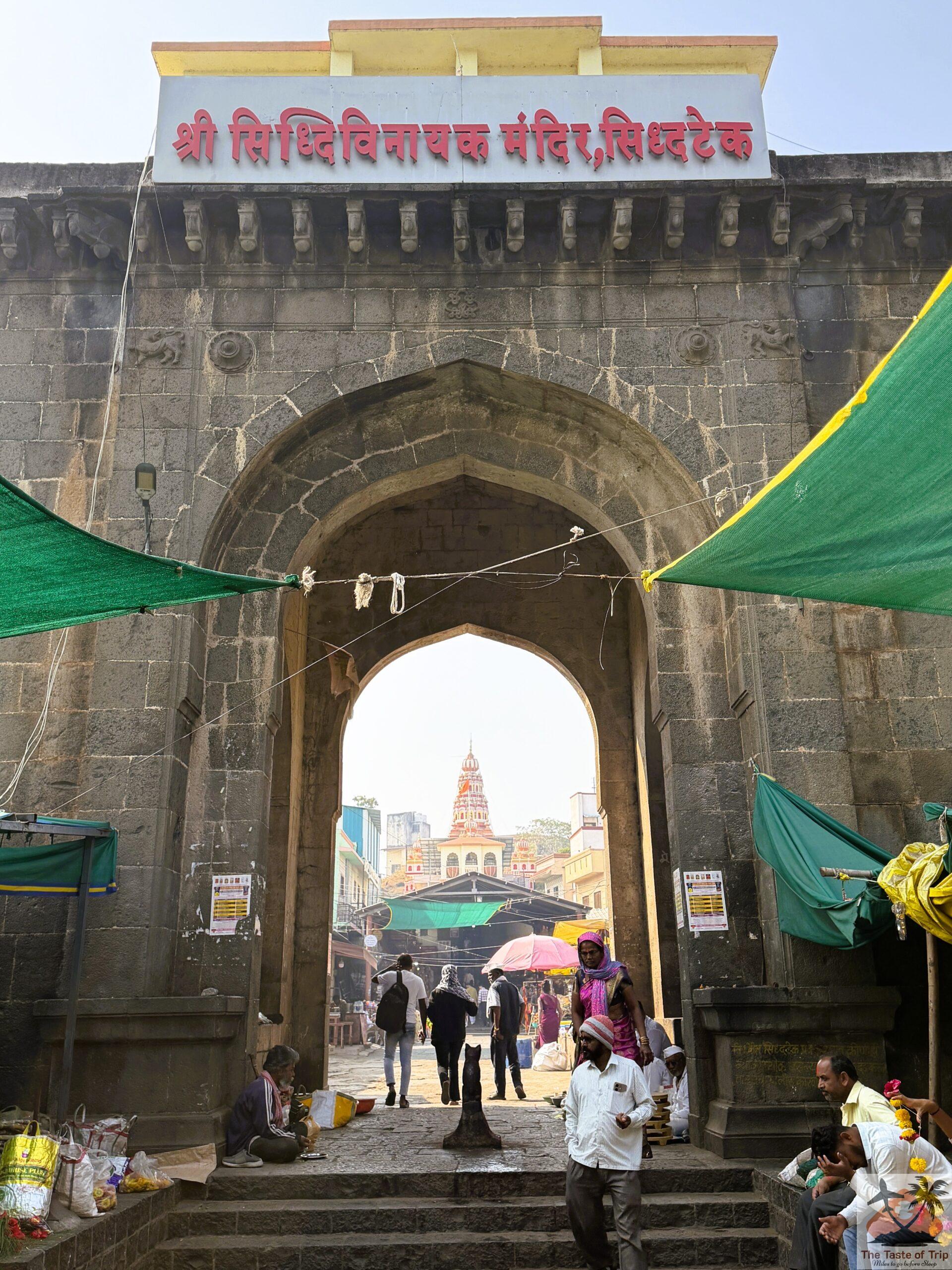
According to legend, Lord Vishnu performed penance here and was blessed with Siddhi (divine powers) by Ganesha, earning him the name Siddhivinayak, or “Bestower of Success.” The temple, built from black stone, involves a peaceful uphill walk, adding to the spiritual experience. Remote and serene, Siddhatek invites devotees into a deeply meditative atmosphere, ideal for prayers and reflection.
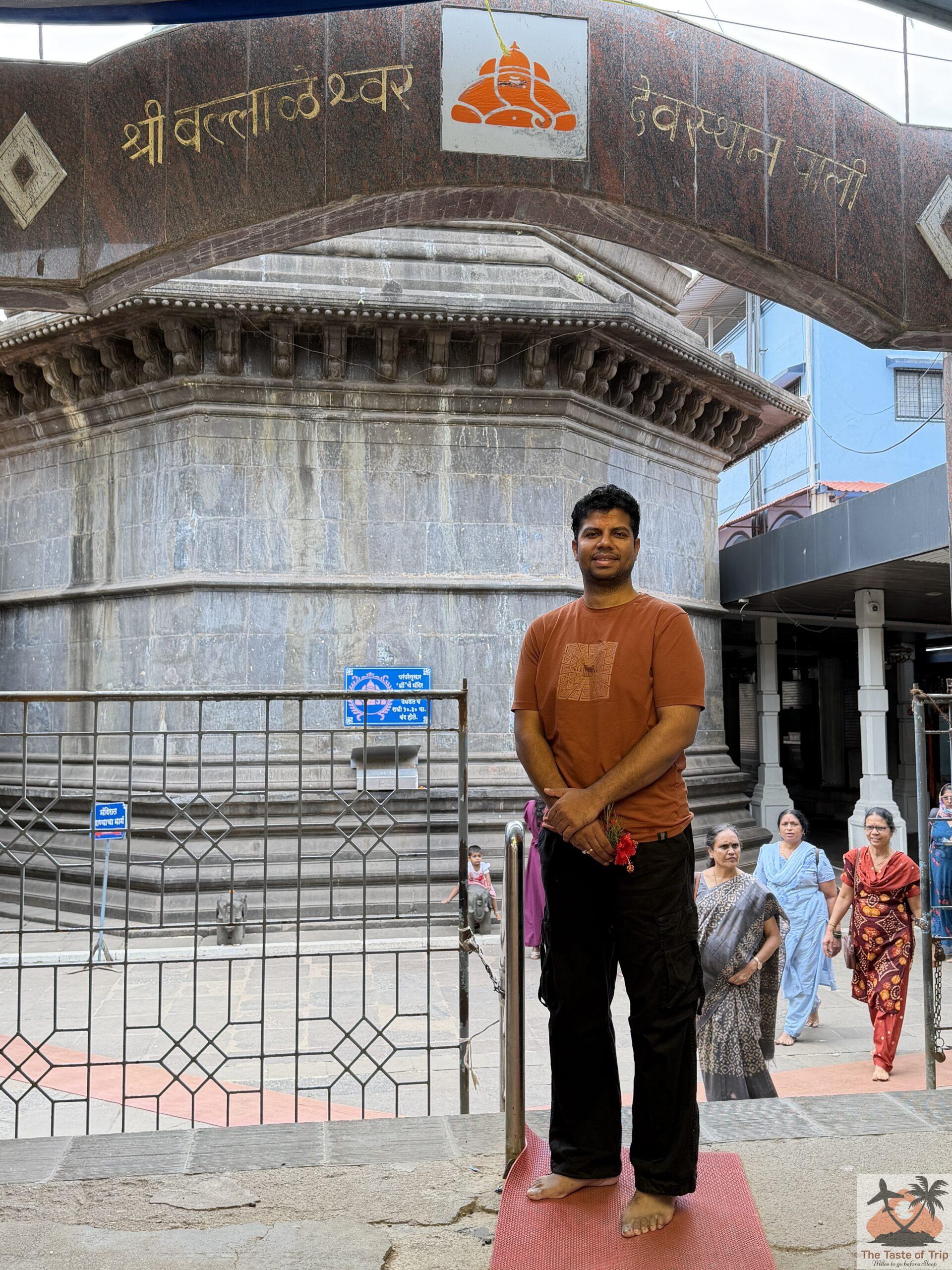
➥Shree Ballaleshwar Ganpati – Pali
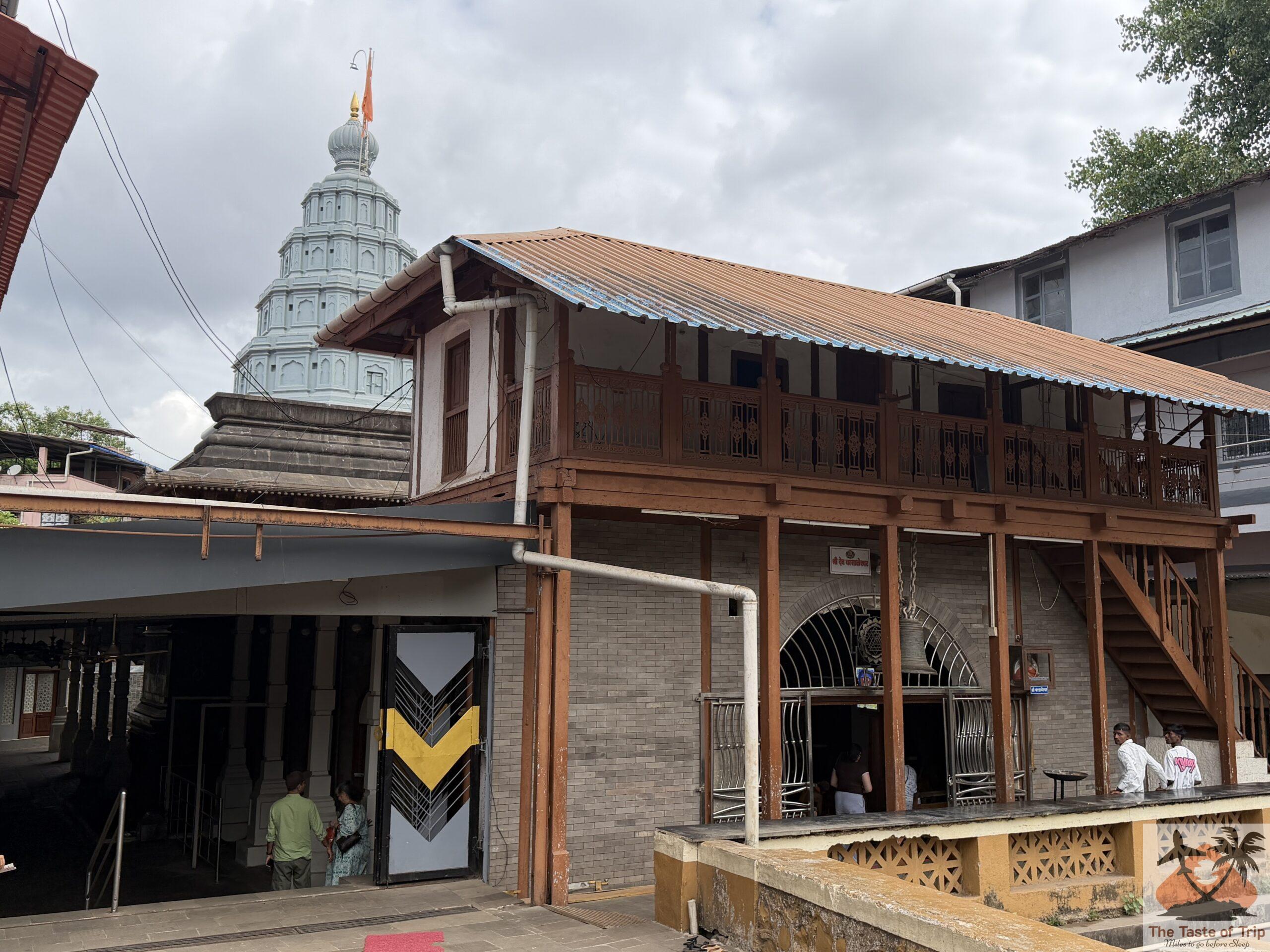
Located in Pali, Raigad district, Ballaleshwar is the only Ashtavinayak temple named after a devotee-a young boy named Ballal, whose unwavering devotion moved Lord Ganesha. According to legend, Ganesha appeared to rescue Ballal from his father’s wrath and granted him a boon that He would be worshipped as Ballaleshwar, honoring devotion above all.
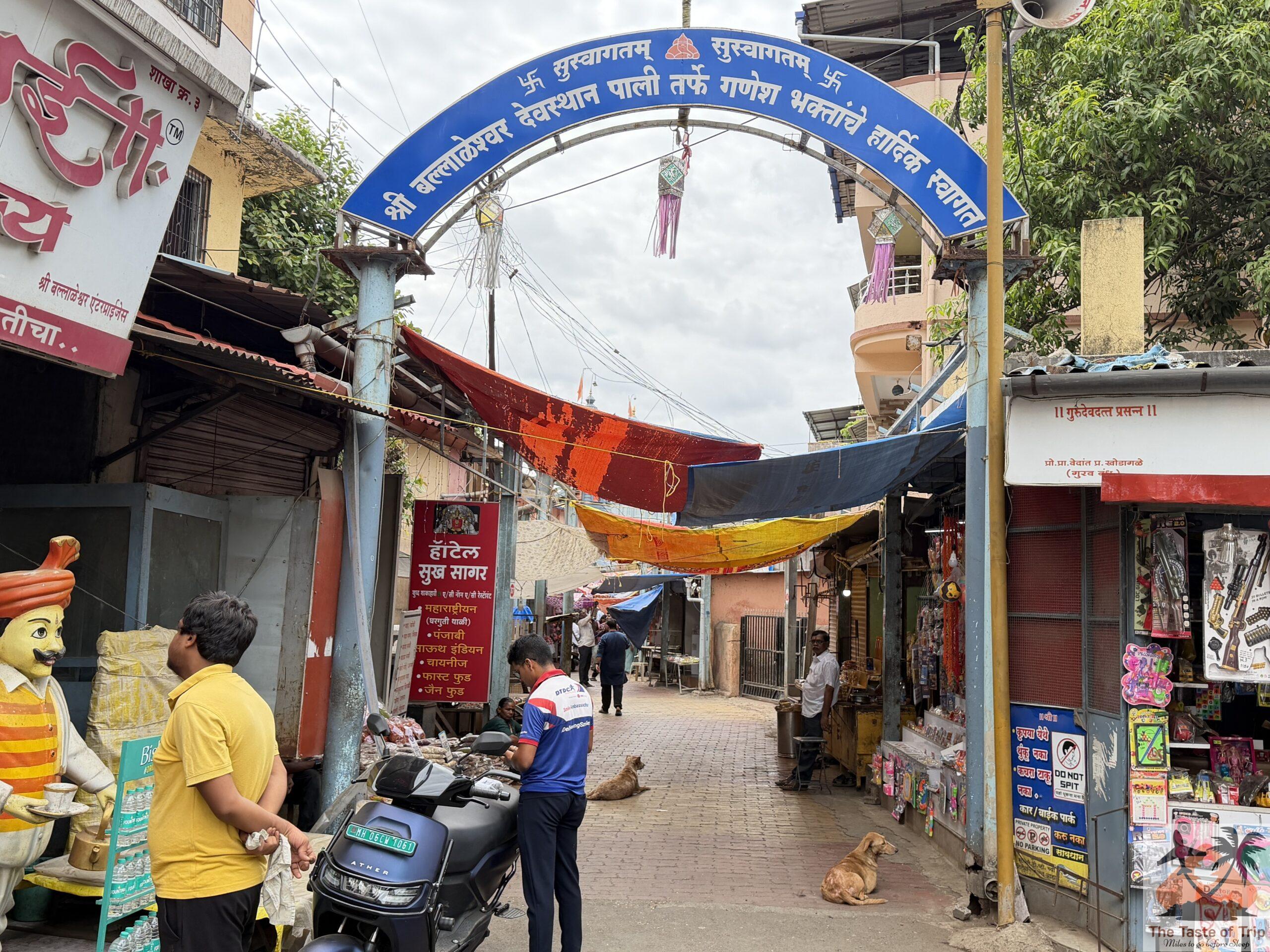
The temple was rebuilt in the 18th century by Peshwa statesman Nana Phadnavis and is uniquely designed to face the east, allowing sunlight to fall directly on the idol during sunrise in specific months. The idol, adorned with diamonds and precious stones, holds a modak and lotus, symbolizing prosperity and purity. The sanctity and story behind Ballaleshwar make it a deeply moving spiritual stop on the Yatra.
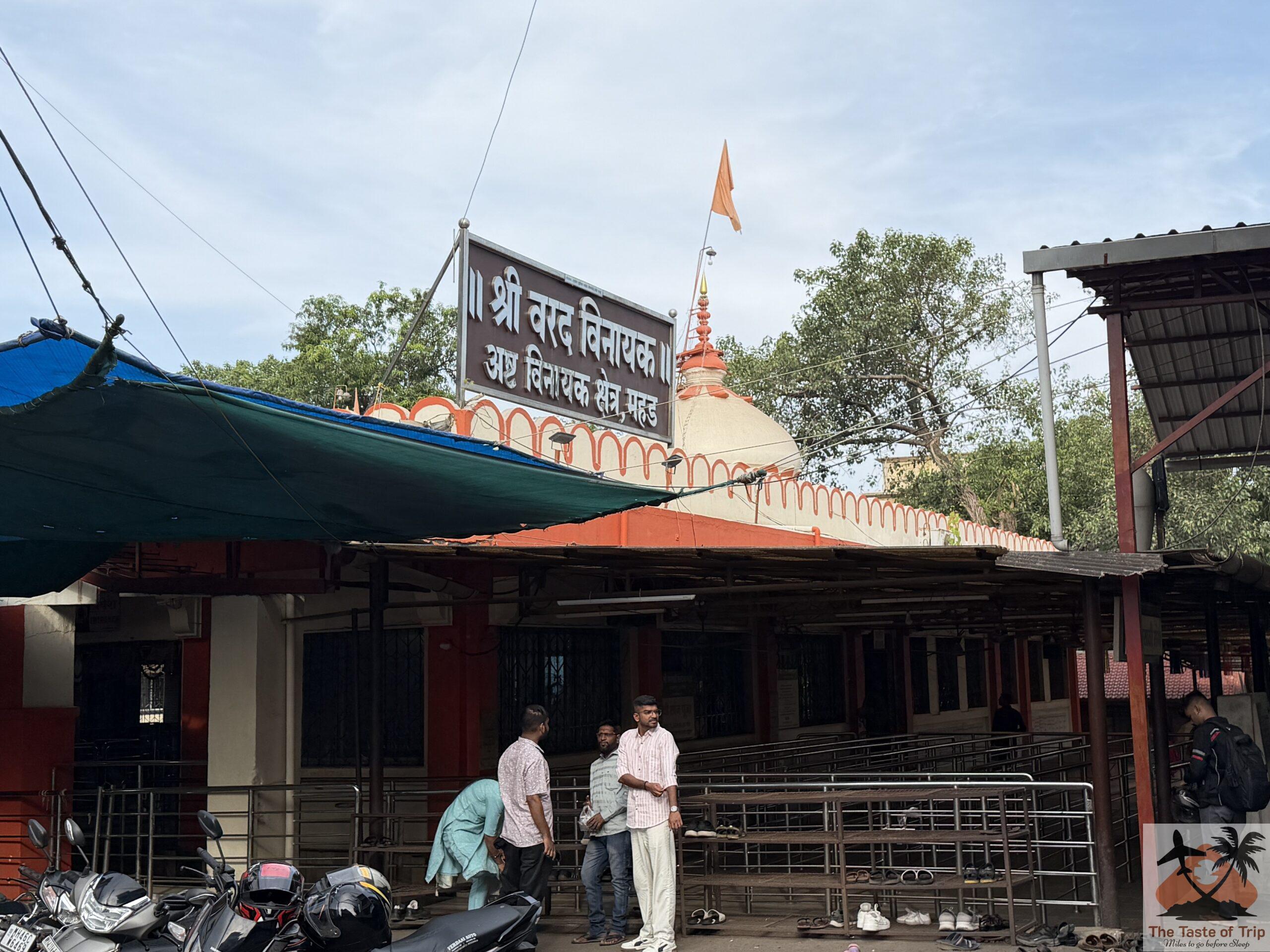
➥Shree Varadvinayak Ganpati – Mahad
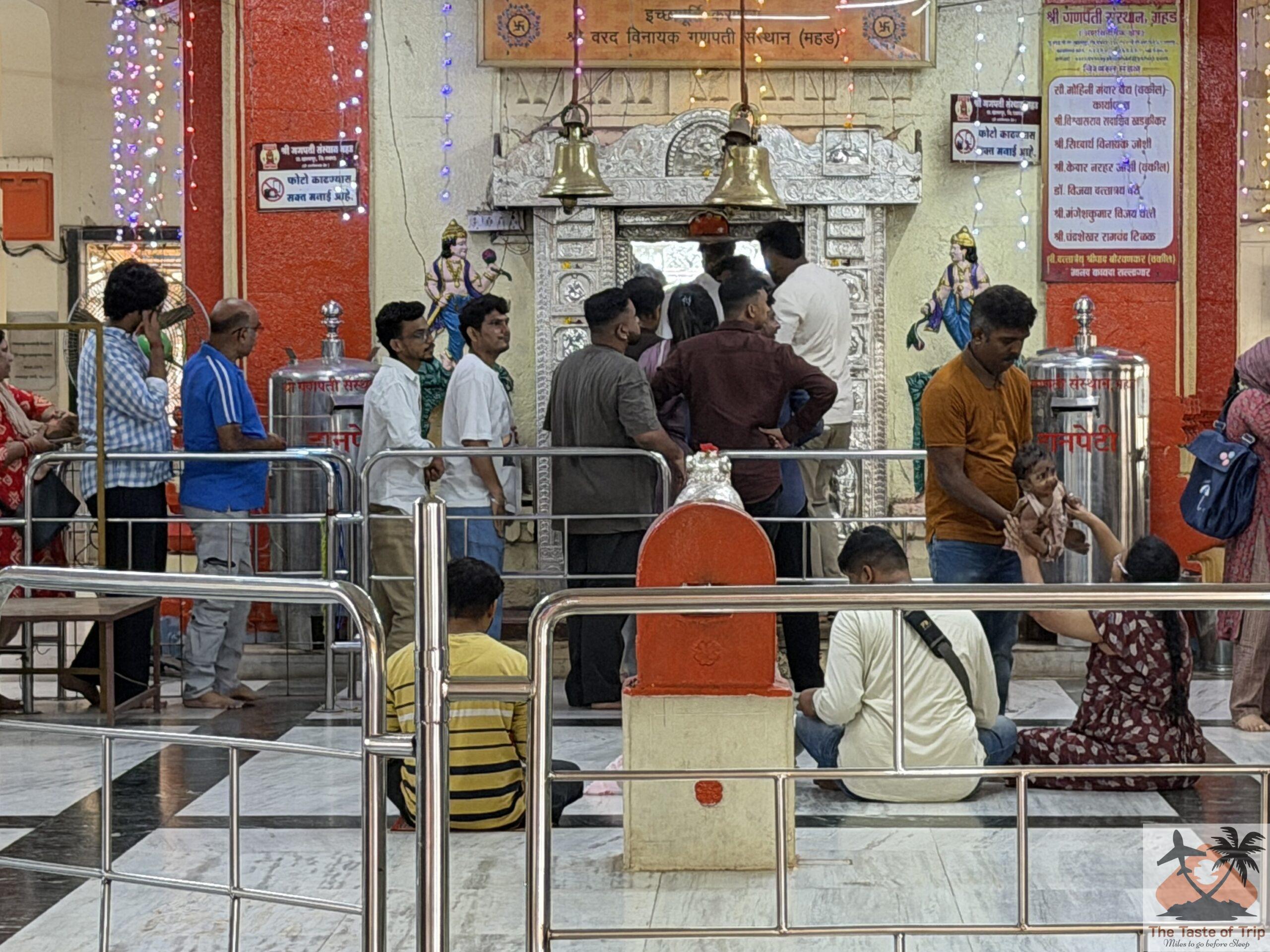
Situated in Mahad, Raigad district, the Varadvinayak Temple derives its name from “Varad,” meaning grantor of boons. Devotees believe that sincere prayers here are fulfilled, making it one of the most spiritually rewarding stops of the Ashtavinayak Ganpati Yatra. Built in 1725 CE by Peshwa general Ramji Mahadev Biwalkar, the temple is located beside a scenic pond, enhancing its serene ambiance.
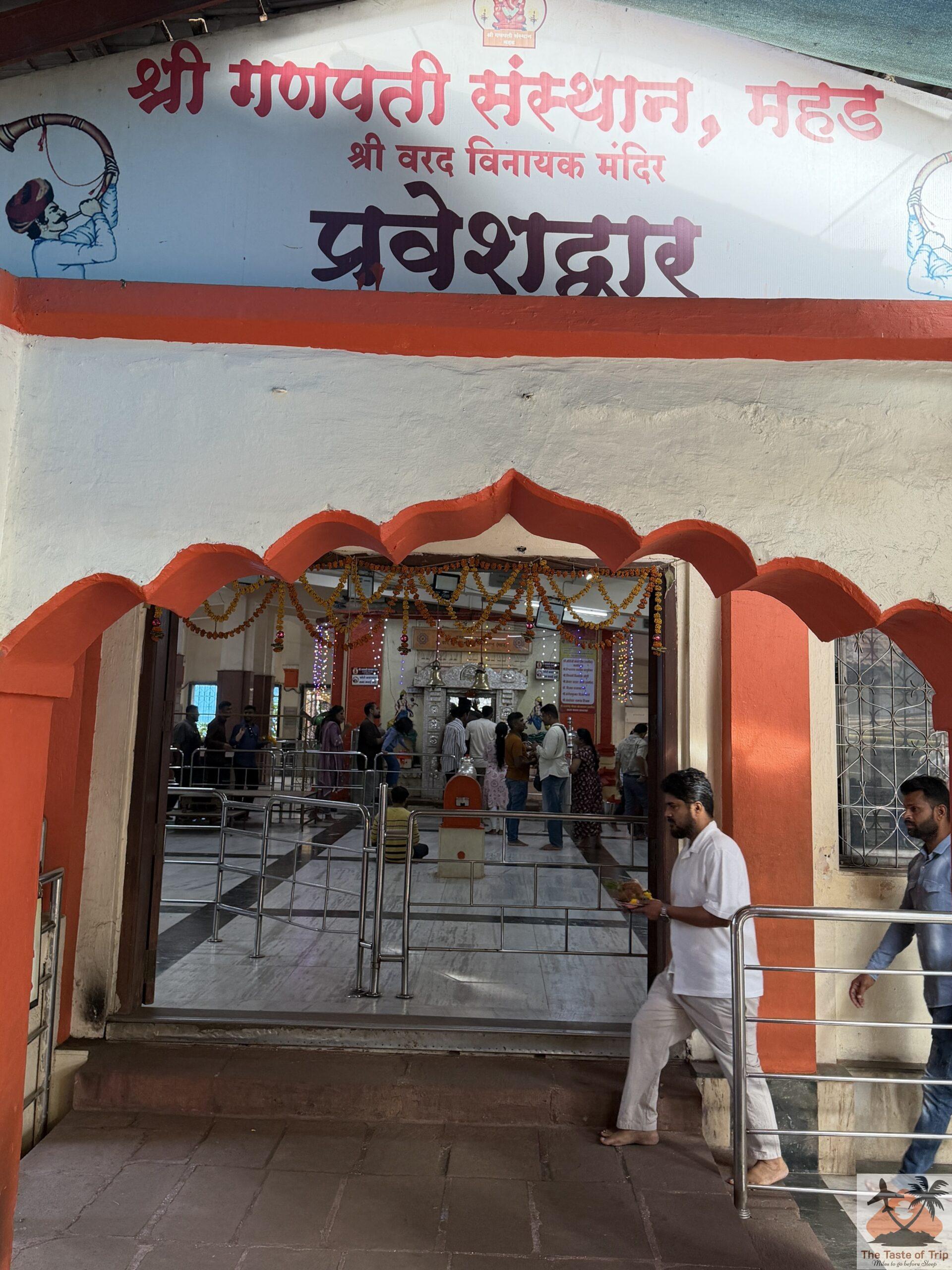
A rare and special feature is that devotees are allowed to enter the sanctum (garbhagriha) and directly touch the swayambhu (self-manifested) idol, which is slightly tilted to the left. Another unique aspect is the eternal oil lamp, which has been burning continuously since 1892, symbolizing unbroken faith and divine presence.
➥Shree Chintamani Ganpati – Theur
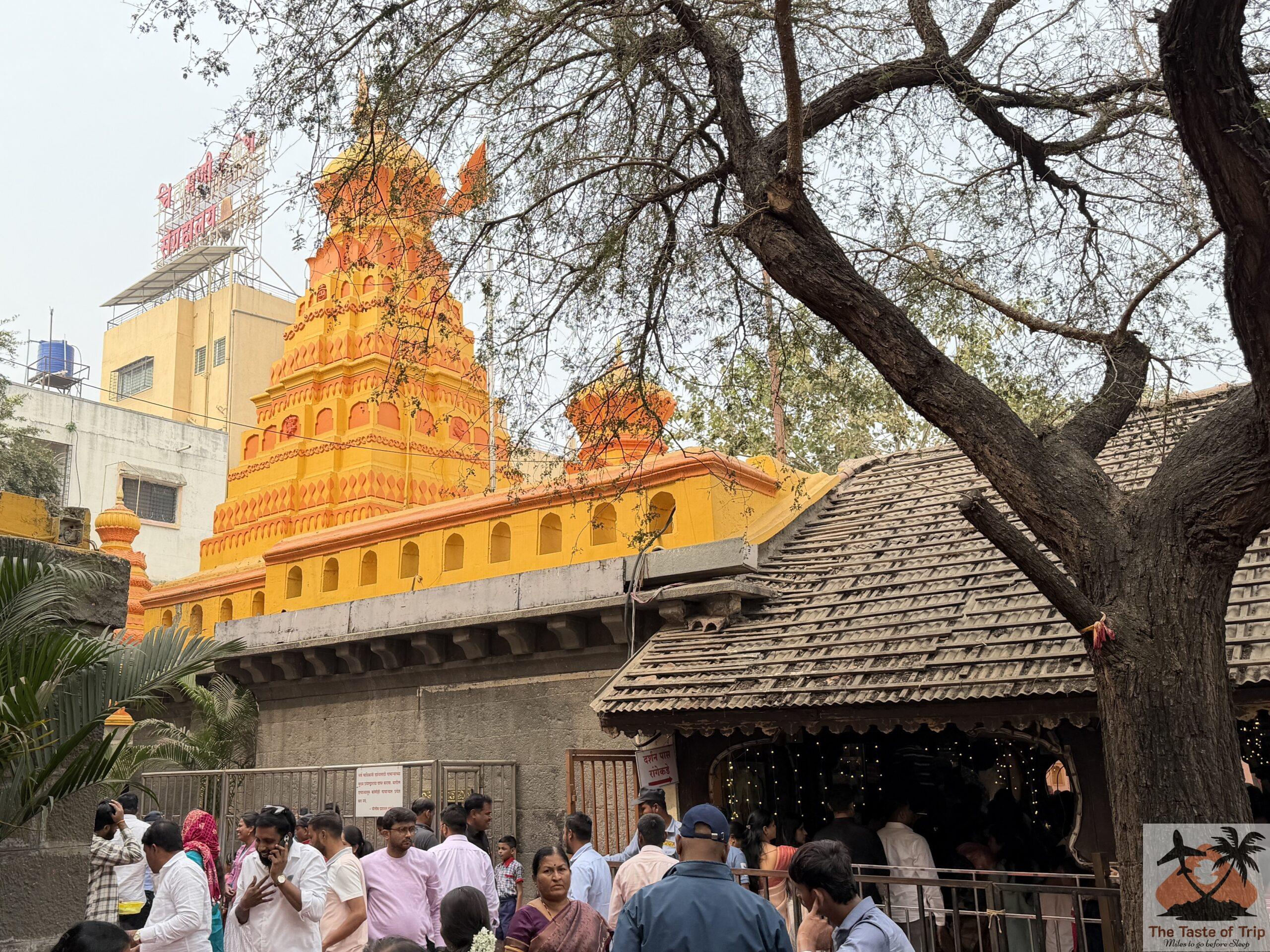
Located in Theur, in Pune district, the Chintamani Temple is one of the largest and most frequented shrines on the Ashtavinayak Ganpati Yatra. The temple is rooted in the legend of sage Kapila, who invoked Lord Ganesha to recover a divine gem (Chintamani) stolen by the arrogant King Guna. Ganesha returned the gem, symbolizing the removal of worries and stress (chinta)—hence the name Chintamani.
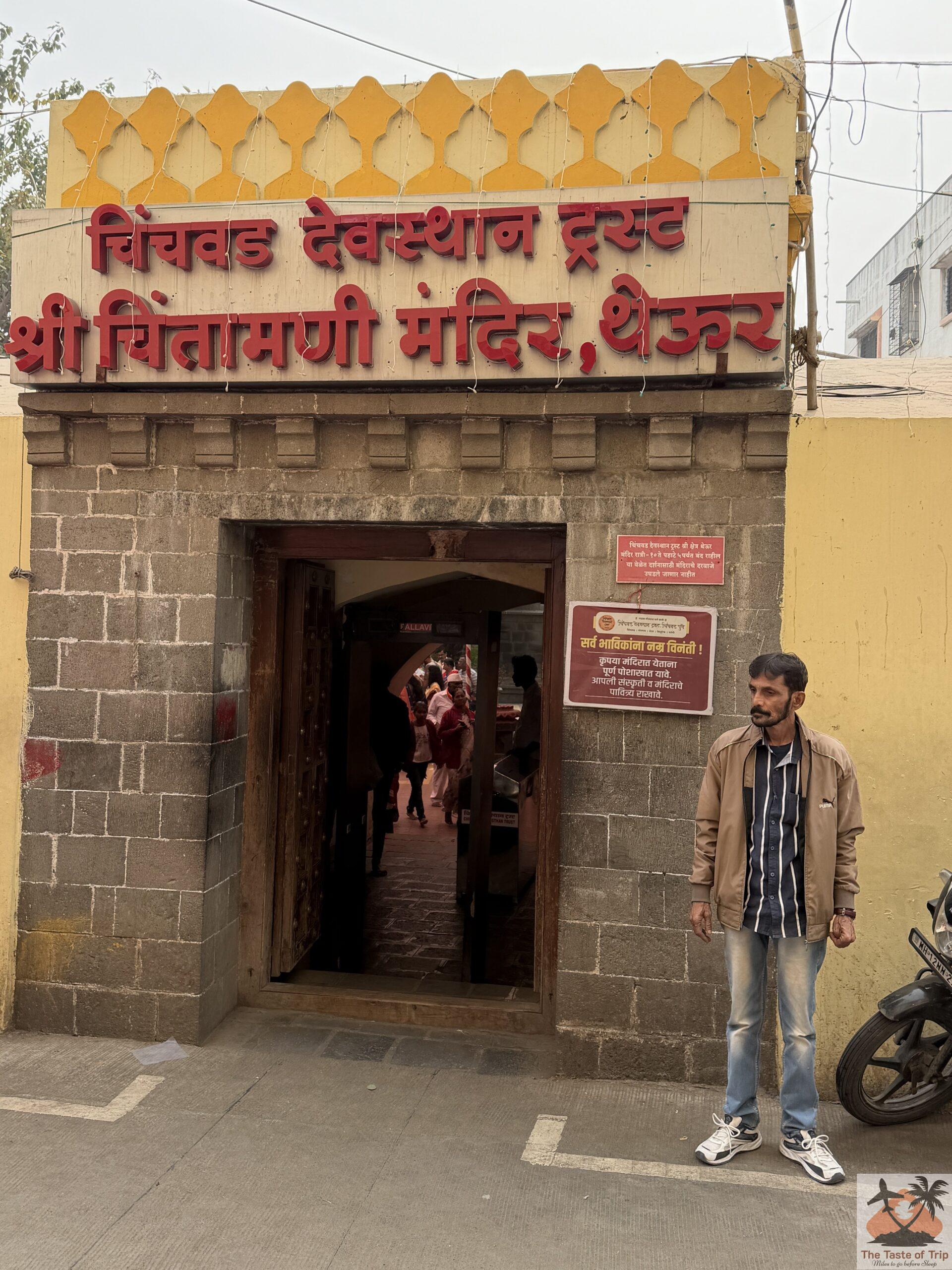
The temple was built during the Peshwa era, and its tranquil setting near the Mula-Mutha River makes it ideal for spiritual reflection. The left-trunked idol is adorned with precious jewels, exuding grace and serenity. Devotees believe that praying here brings peace of mind and clarity of thought.
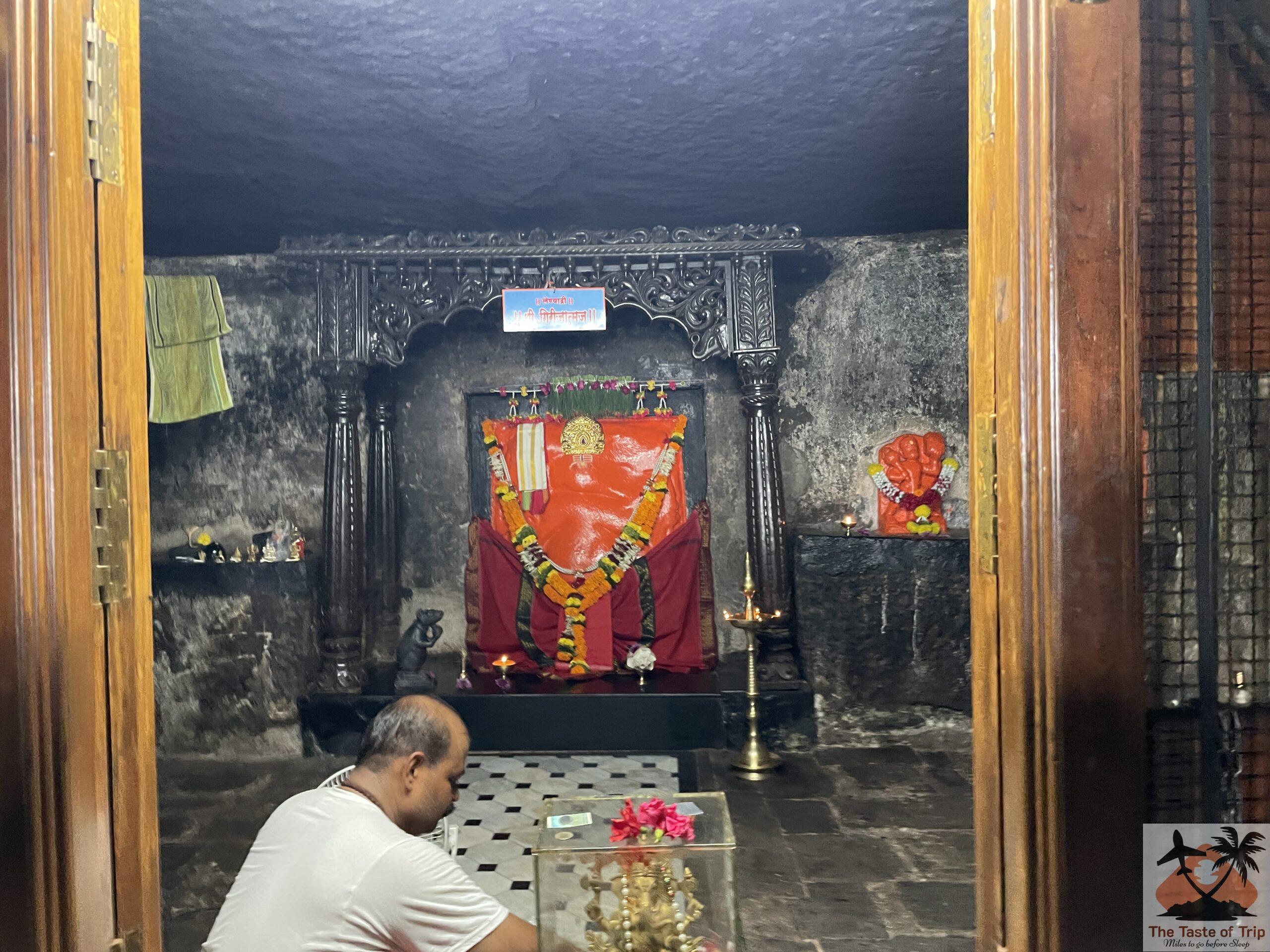
➥Shree Girijatmaj Ganpati – Lenyadri
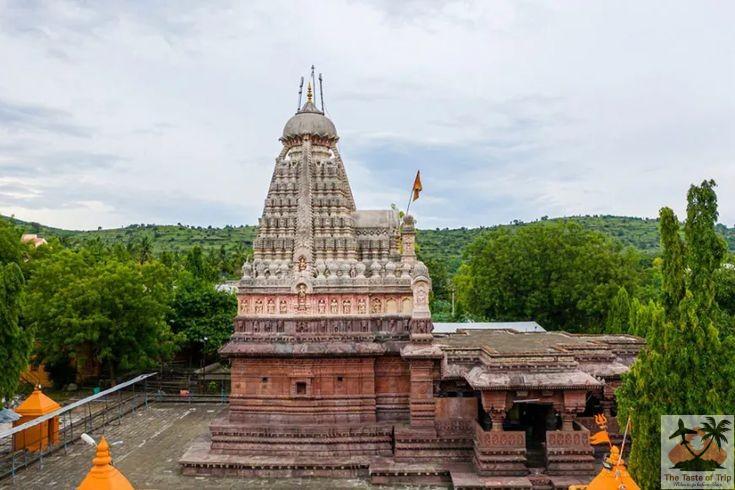
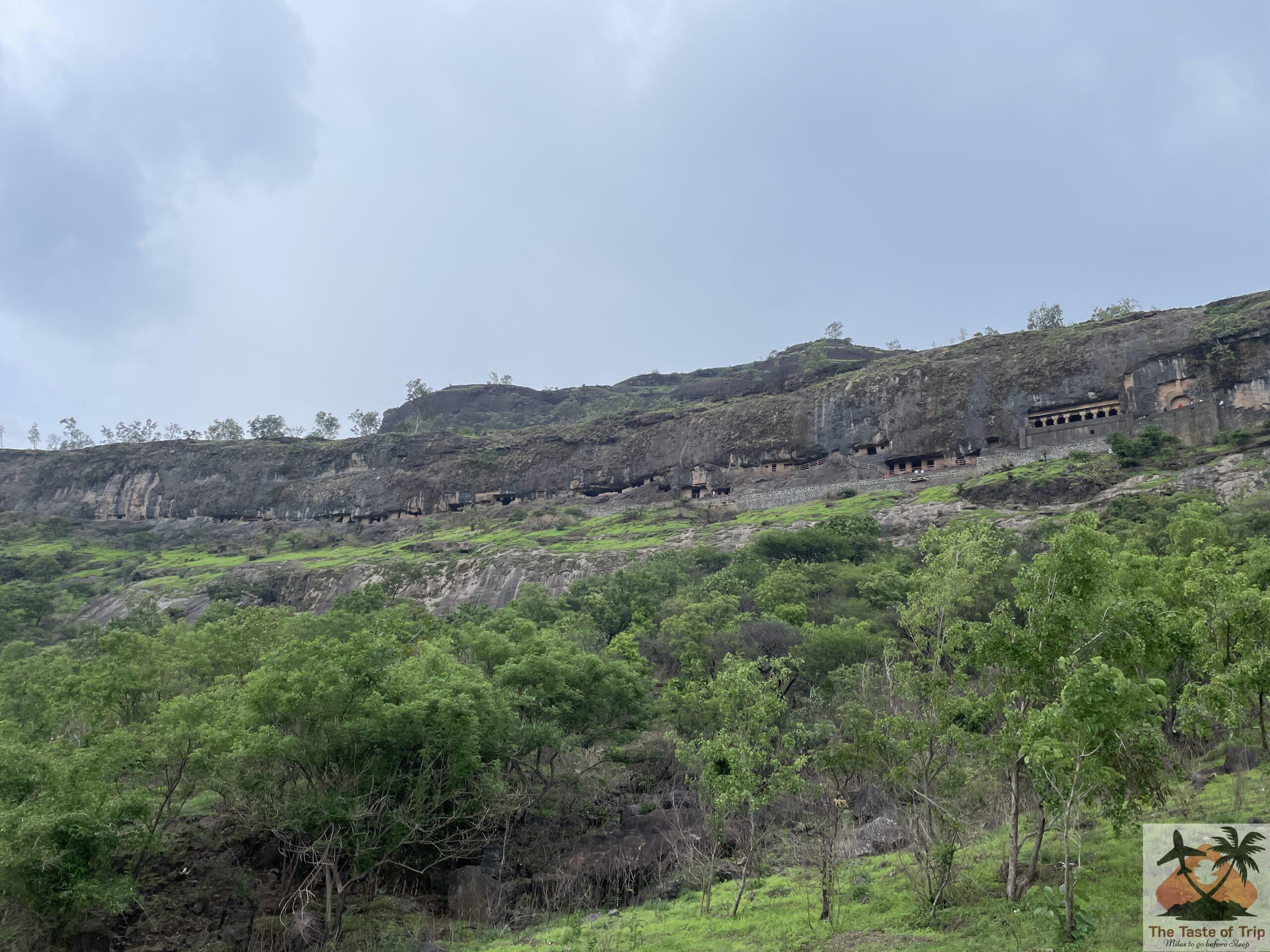
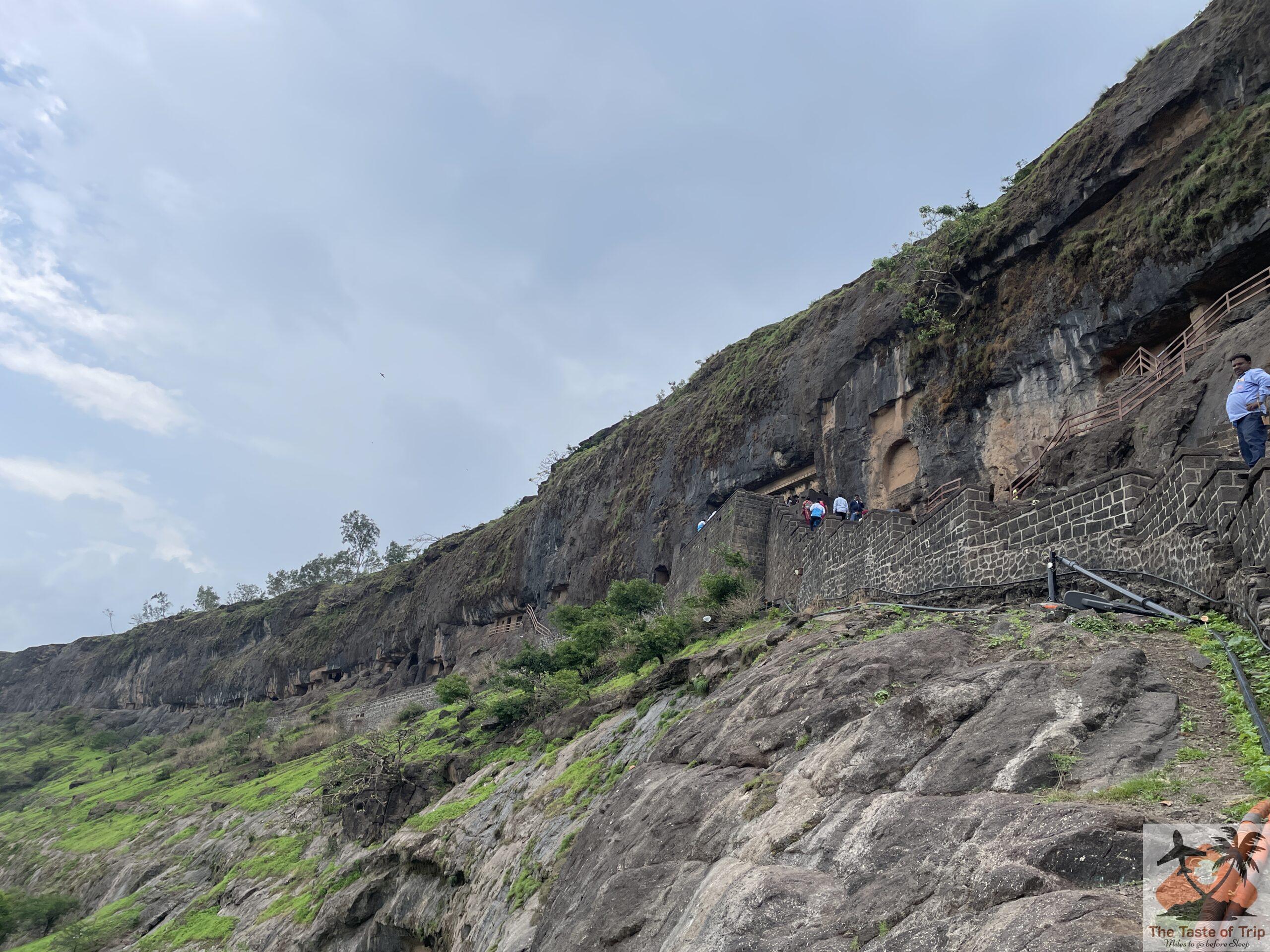
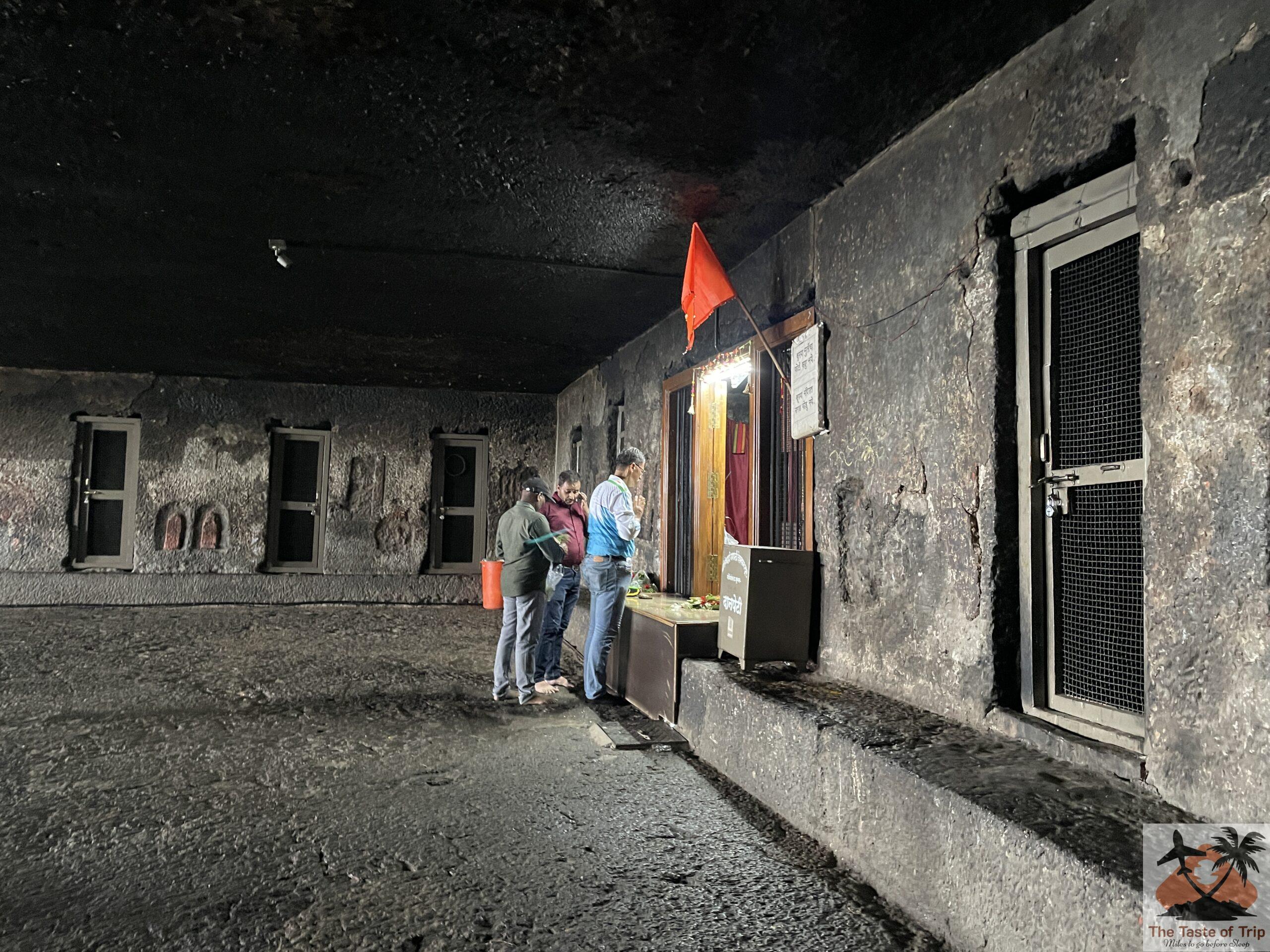
Located in Lenyadri, near Junnar in Pune district, the Girijatmaj Temple is uniquely carved into a single rock face within the Lenyadri Caves, showcasing Buddhist-style architecture. It is the only Ashtavinayak Ganpati temple situated within a cave and the only one that does not house a freestanding idol.
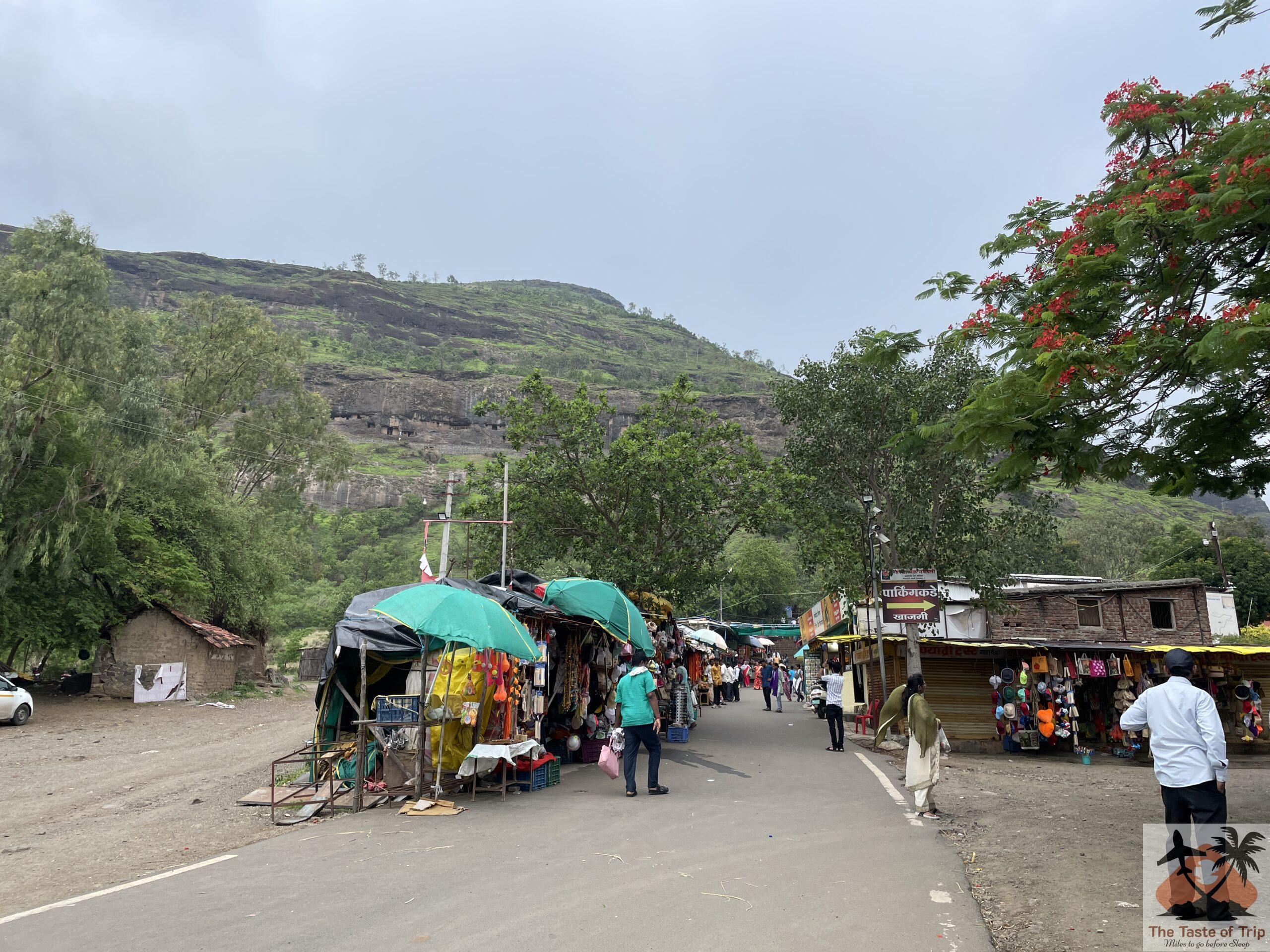
The name Girijatmaj means “Son of Girija (Goddess Parvati),” and legend says Parvati performed penance here, and Ganesha was born at this sacred site. To reach the temple, devotees must ascend approximately 300 steps, offering panoramic views of the surrounding valley.
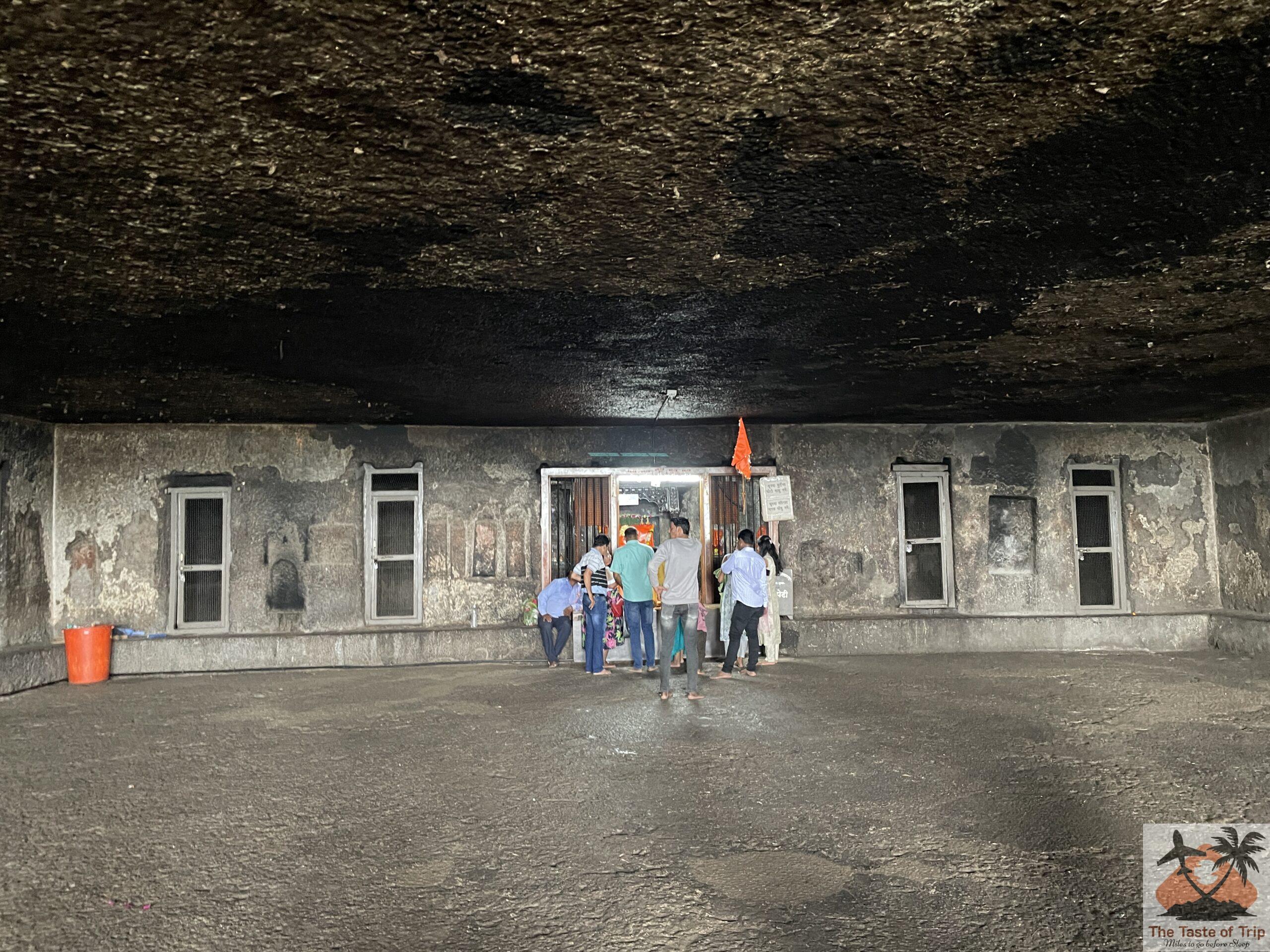
The idol is directly carved into the cave wall, with no ornaments or embellishments, representing raw spiritual energy and divine simplicity.
➥Shree Vighneshwar Ganpati – Ozar
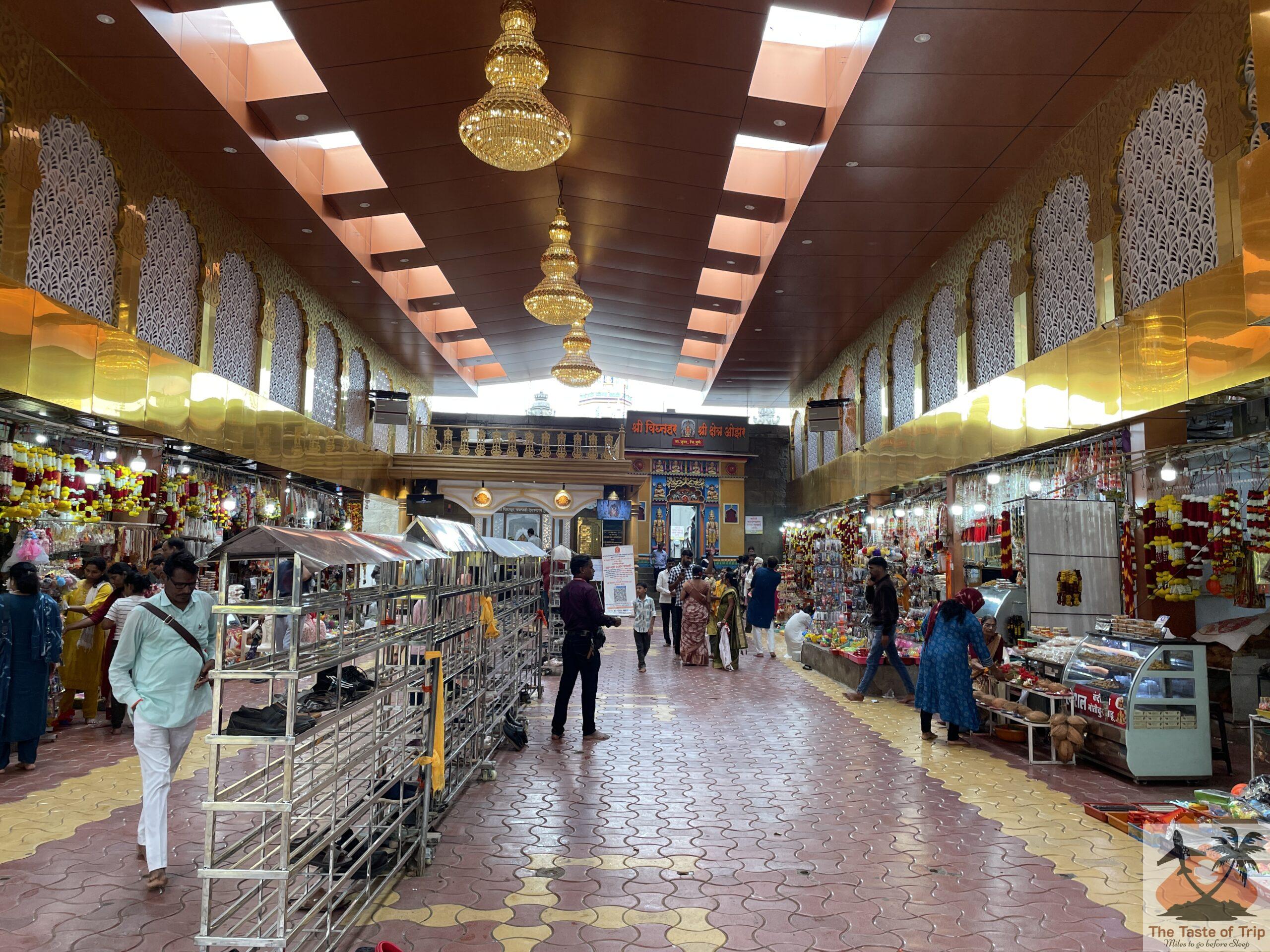
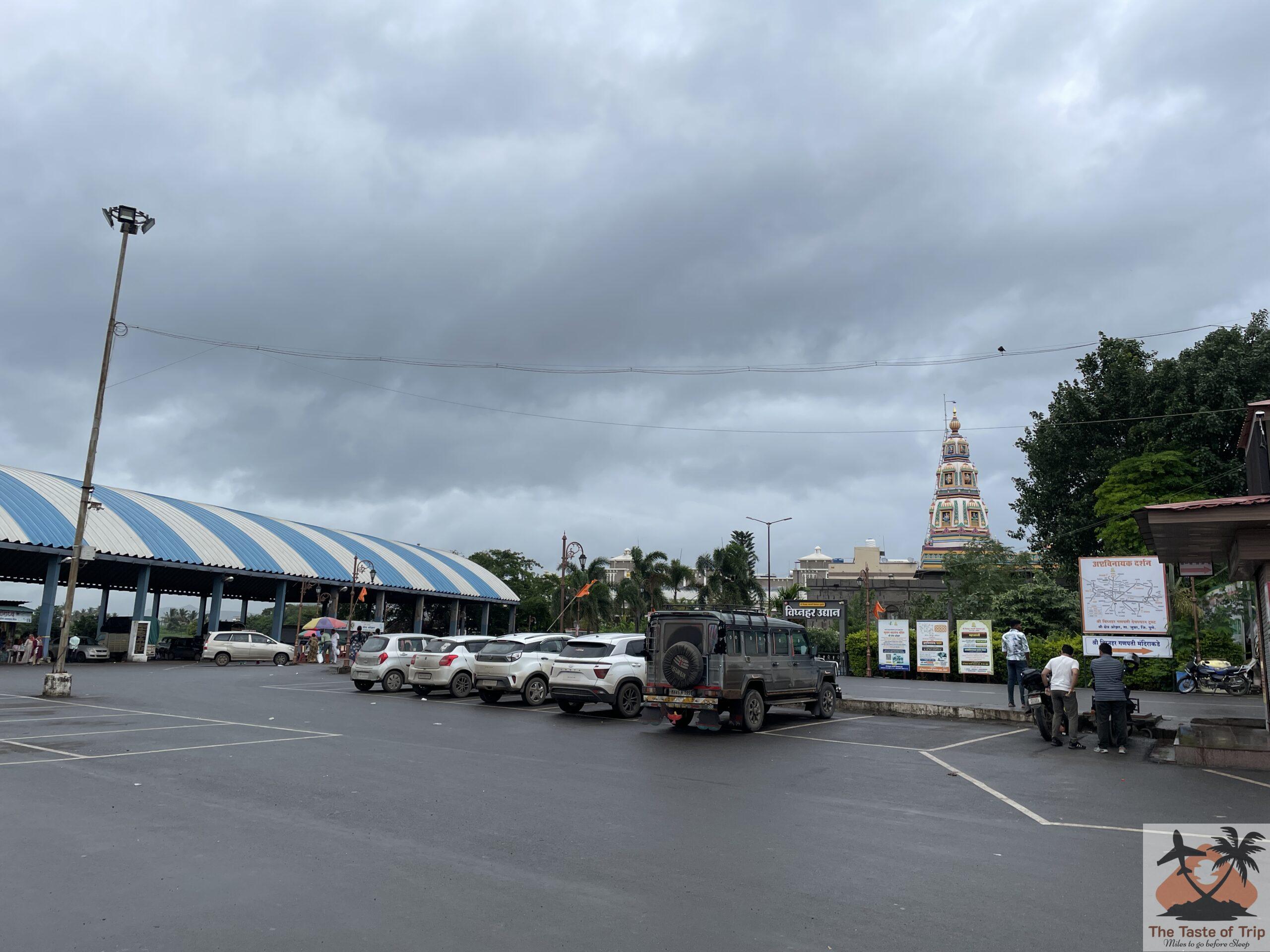
Located in Ozar, in Pune district, the Vighneshwar Temple is dedicated to the form of Ganesha known as the Remover of Obstacles. According to legend, Vighnasura, a demon sent by jealous gods to disrupt a sacred yajna, was defeated by Ganesha and later surrendered-leading Ganesha to assume the name Vighneshwar.
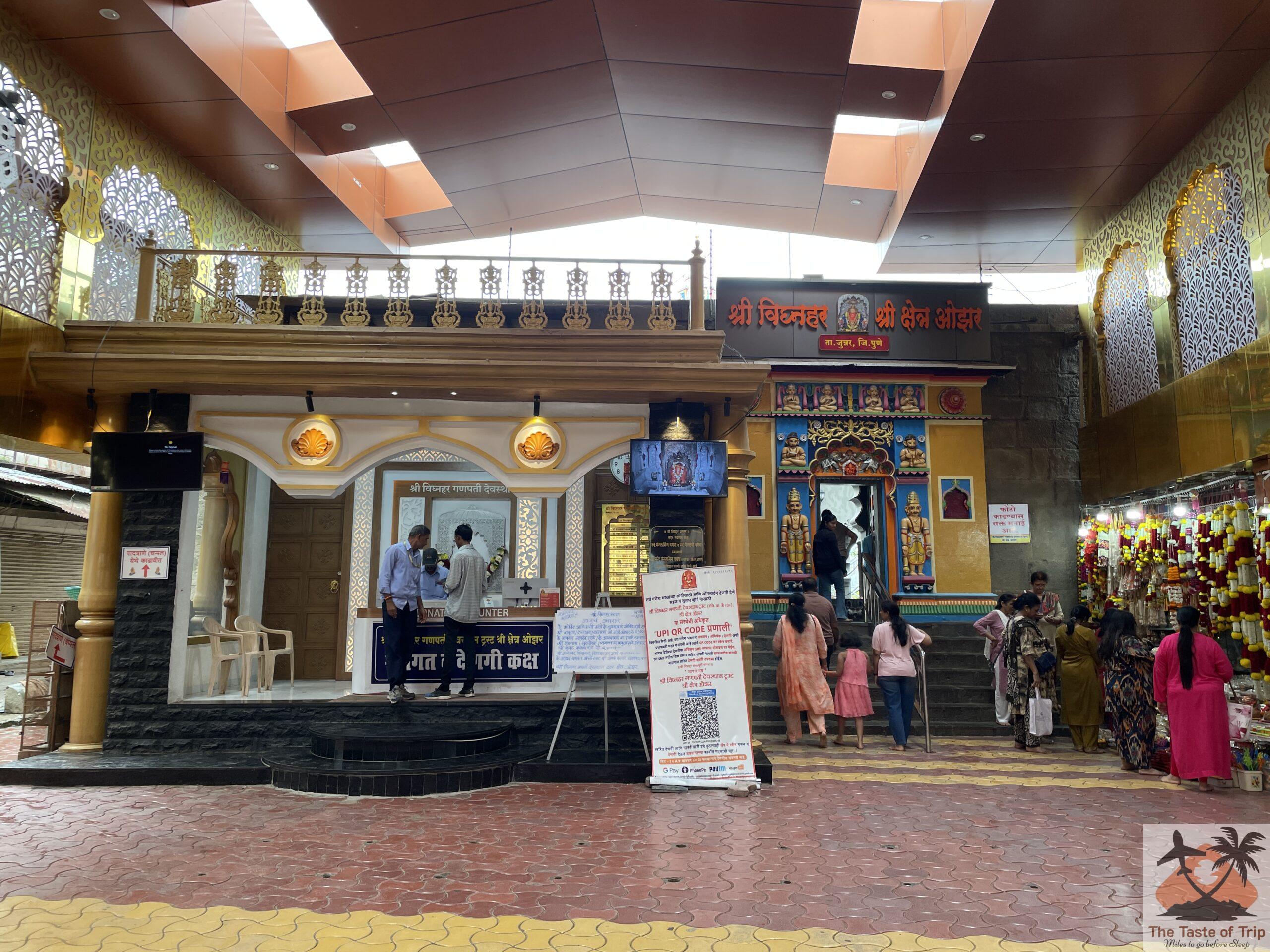
This temple is one of the most artistically adorned on the Ashtavinayak route, with an exquisitely carved entrance, ornate stone architecture, and a towering deepmala (lamp pillar). The idol’s eyes and navel are studded with diamonds, adding to its divine charm. The temple was rebuilt by Chimaji Appa after his victorious campaign against the Portuguese at Vasai Fort, symbolizing both faith and triumph.
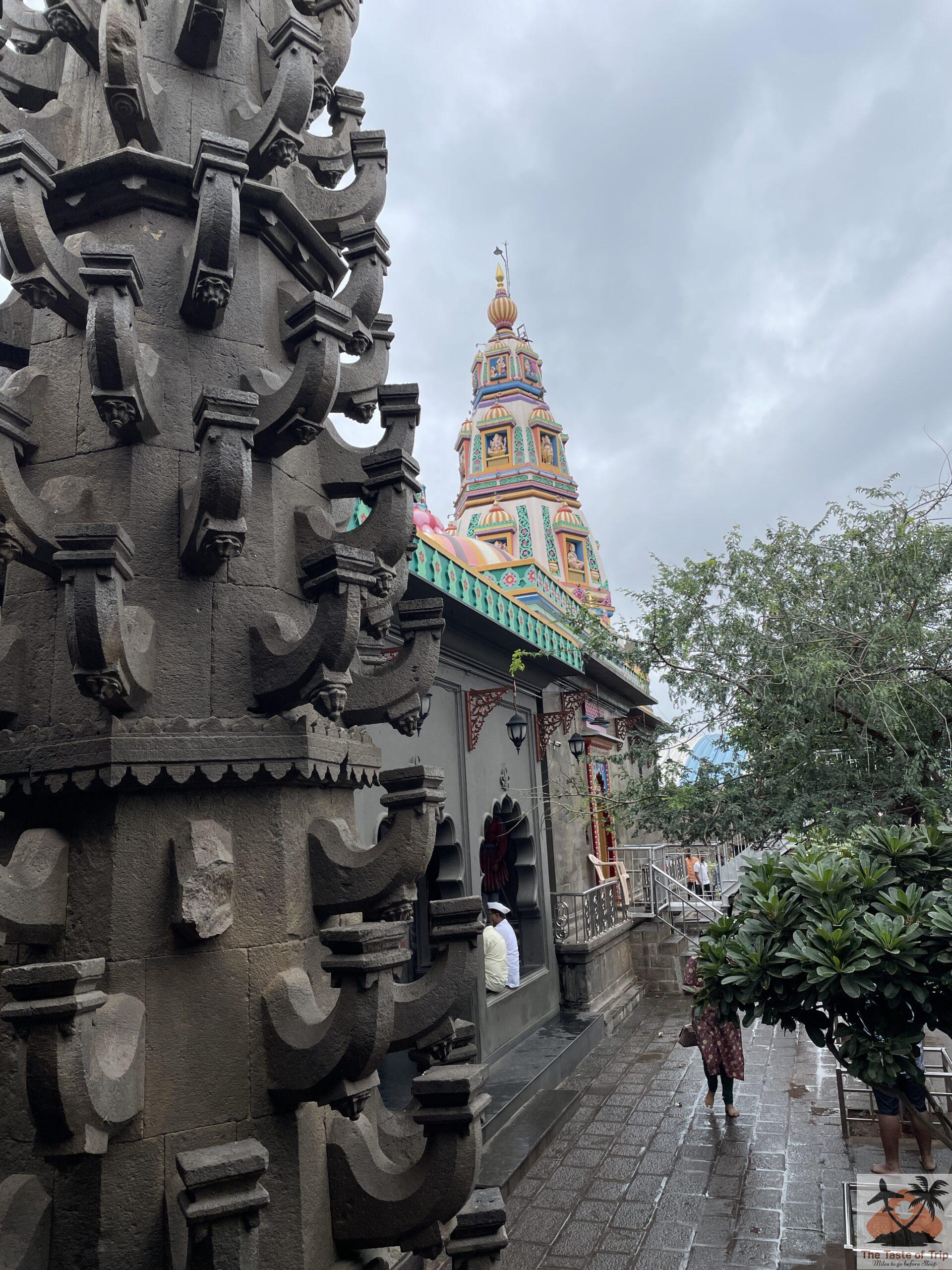
➥Shree MahaGanapati – Ranjangaon
Located in Ranjangaon in Pune district, the Mahaganapati Temple is dedicated to the most powerful and formidable form of Lord Ganesha. According to legend, Lord Shiva worshipped Mahaganapati here before confronting the demon Tripurasura, symbolizing the victory of good over evil through divine wisdom. The temple was constructed during the Peshwa era, featuring intricate and grand architectural design.
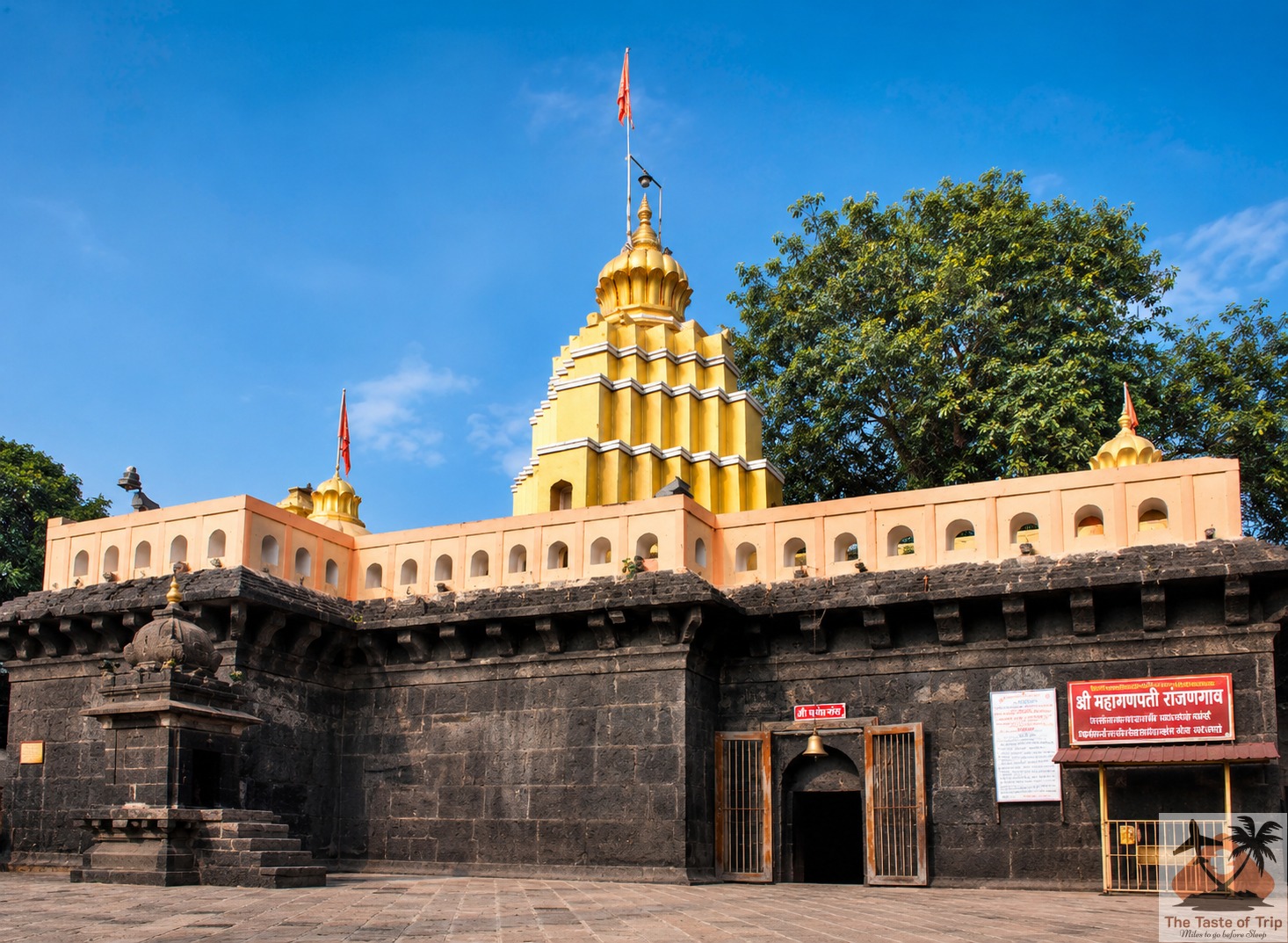
The idol enshrined here is majestic-seated on a lotus with ten arms, embodying divine strength. This fierce form, however, is usually kept in the temple’s underground chamber and is revealed to devotees only on special occasions. As the final stop of the Ashtavinayak Ganpati Yatra, Ranjangaon represents spiritual completion, inner strength, and divine fulfillment.
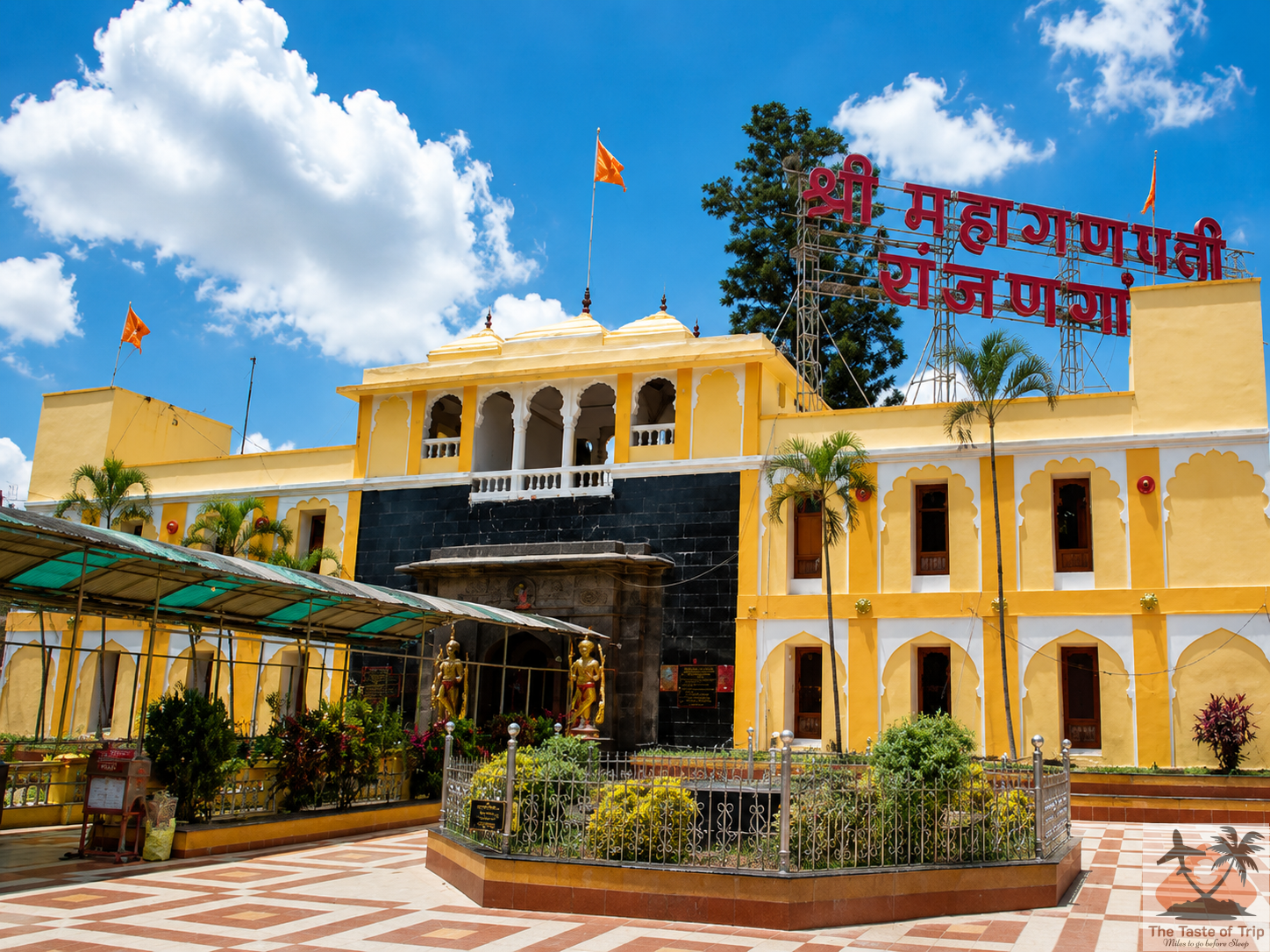
The Ashtavinayak Ganpati Yatra is far more than a journey across eight sacred temples—it’s a profound spiritual odyssey that weaves together devotion, mythology, heritage, and inner transformation. Each temple unveils a unique form and legend of Lord Ganesha, offering devotees not just darshan, but a deeper connection to his wisdom, compassion, and strength. From ancient rock-cut caves to ornate Peshwa-era shrines, the yatra is a celebration of faith, culture, and architectural grandeur. Completing this sacred circuit is believed to invoke divine blessings, remove life’s obstacles, and usher in peace, prosperity, and spiritual fulfillment for all who undertake it with a pure heart.
**************************
➜ Don’t Miss on the Ashtavinayak Ganpati Yatra: Experience the divine energy of eight sacred Ganesha temples spread across Pune, Raigad, and Ahilyanagar districts, each with unique legends, idols, and historical significance. From the cave-carved Girijatmaj at Lenyadri to the powerful Mahaganapati at Ranjangaon, every temple offers spiritual depth, architectural beauty, and serene surroundings. Don’t miss the chance to witness the self-manifested idols (swayambhu), sacred rivers, ancient inscriptions, and rituals that bring Ganesha’s blessings to life.
➜ How to Reach the Ashtavinayak Ganpati Temples: The journey begins and ends at Morgaon, around 65 km from Pune. The entire yatra covers about 650-700 km by road. It is best done by private car or cab, although public buses also connect most locations. The nearest airport and railway station are in Pune.
➜ Best Time to Visit Ashtavinayak Ganpati Temples: The post-monsoon and winter months (September to February) are ideal for the yatra due to pleasant weather and scenic greenery. Avoid peak summer and heavy rains for comfortable travel and temple access.
➜ Time Required for the Ashtavinayak Ganpati Yatra: Most devotees complete the entire yatra in two days, visiting four temples each day. However, those who wish to explore at a relaxed pace or learn the history behind each shrine may extend it to 3–4 days.
Information Source: Authentic information sources available on internet, Various Articles and books on the subject, official sources of govt & Interaction with local public.
For more information & feedback write email at : ikanchan2024@gmail.com