



Maharashtra is not only known for its majestic forts, ancient caves, delicious cuisine and vibrant festivals but also for its rich folk traditions that have been preserved for centuries. These traditional art forms and communities reflect the state’s cultural diversity, spiritual beliefs, and rural lifestyle. From energetic folk dances to devotional performances and wandering storytellers, Maharashtra’s folkways continue to keep its heritage alive despite rapid modernization.
Whether witnessed during village fairs, temple festivals, religious yatras, or cultural events, these traditions offer a fascinating glimpse into the soul of Maharashtra. Here are some of the most significant Maharashtra folkways that continue to enrich the state’s cultural identity.
➥Lezim – The Rhythmic Folk Dance
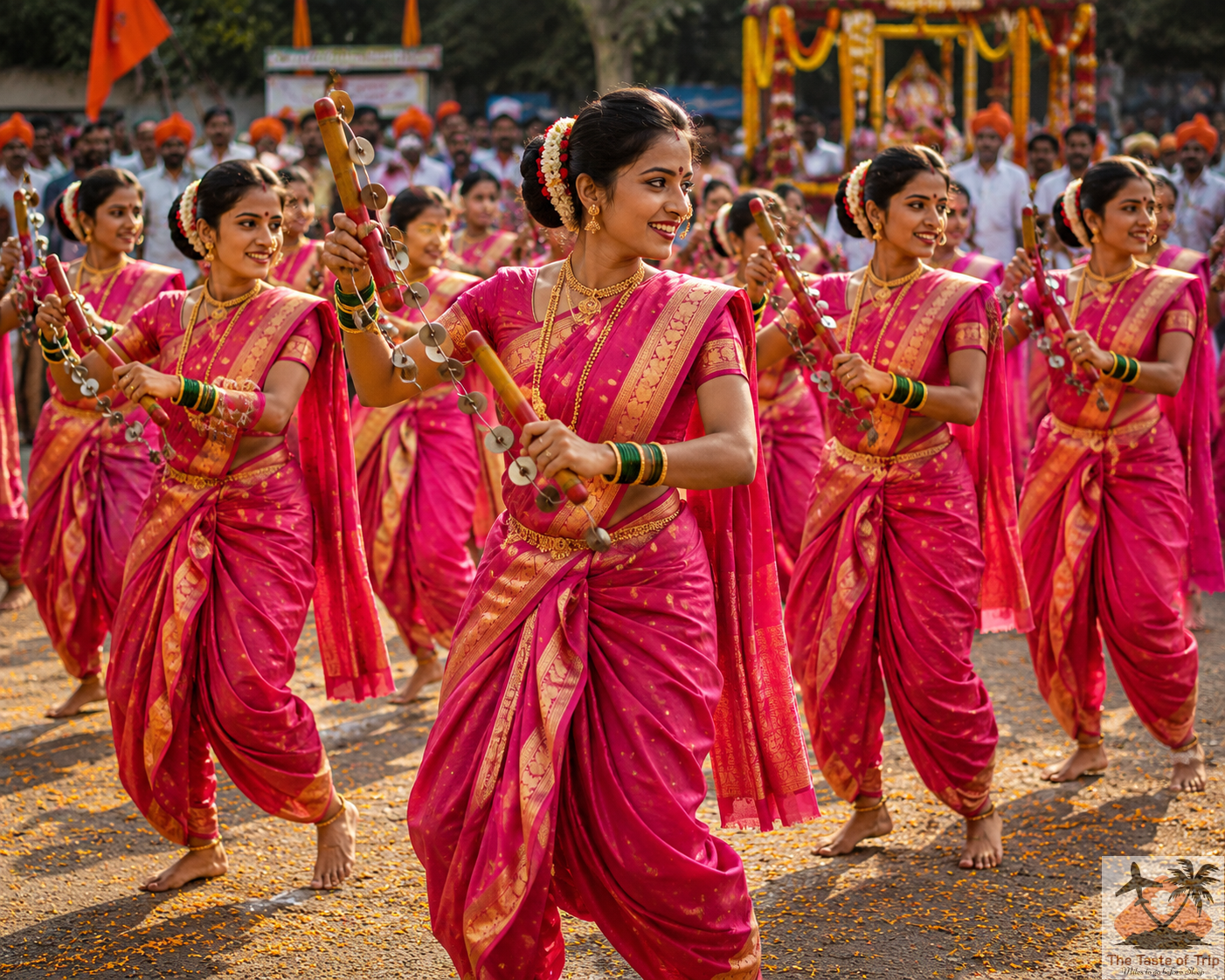
Lezim is one of Maharashtra’s most energetic and visually captivating folk dances. It is performed using a traditional musical instrument called the Lezim, a wooden handle fitted with jingling metal cymbals that create rhythmic sounds during the performance. Traditionally performed by groups during festivals, Republic Day parades, Ganesh pooja celebrations, and school events, Lezim combines synchronized movements, rhythmic footwork, and coordinated formations. The dance is accompanied by powerful beats of the dhol, tasha, and other percussion instruments, creating an atmosphere full of enthusiasm and celebration. Beyond entertainment, Lezim is also considered an excellent physical exercise that promotes teamwork, discipline, and fitness.
➥Powada – The Heroic Ballads of Maharashtra
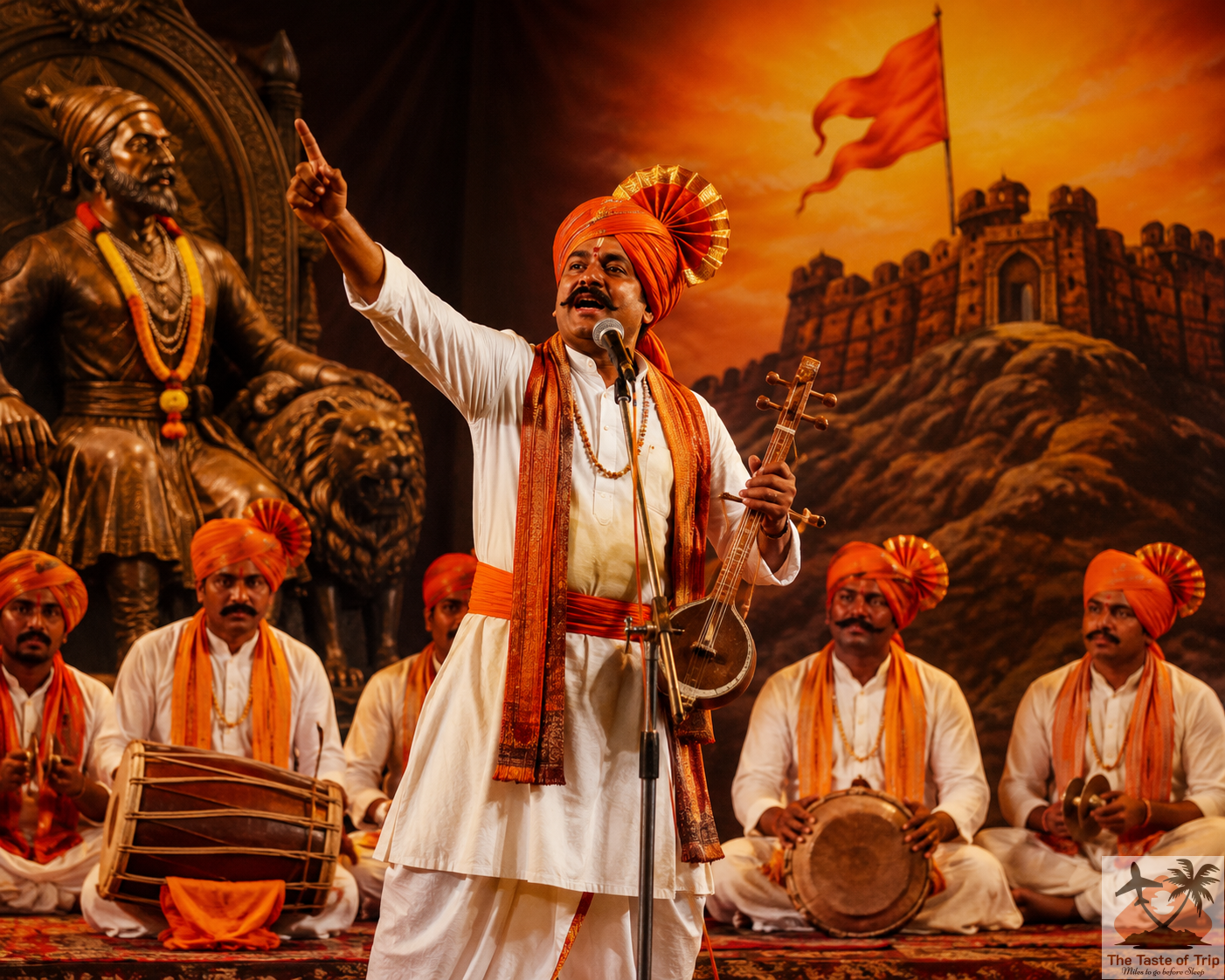
Powada is a powerful traditional Marathi folk ballad that celebrates the bravery, patriotism, and extraordinary achievements of legendary warriors, particularly Chhatrapati Shivaji Maharaj, his brave commanders, and the glorious Maratha Empire. Performed by gifted folk poets known as Shahirs, Powadas combine passionate storytelling, dramatic expressions, powerful vocals, and energetic performances accompanied by traditional instruments such as the dholki, halgi, tuntune, and jhanj. Rich in emotion and historical significance, these inspiring ballads vividly recount tales of courage, sacrifice, and victory, preserving Maharashtra’s heroic legacy while instilling pride, valor, and patriotism in every generation.
➥Bagad Yatra – Maharashtra’s Extraordinary Festival of Faith
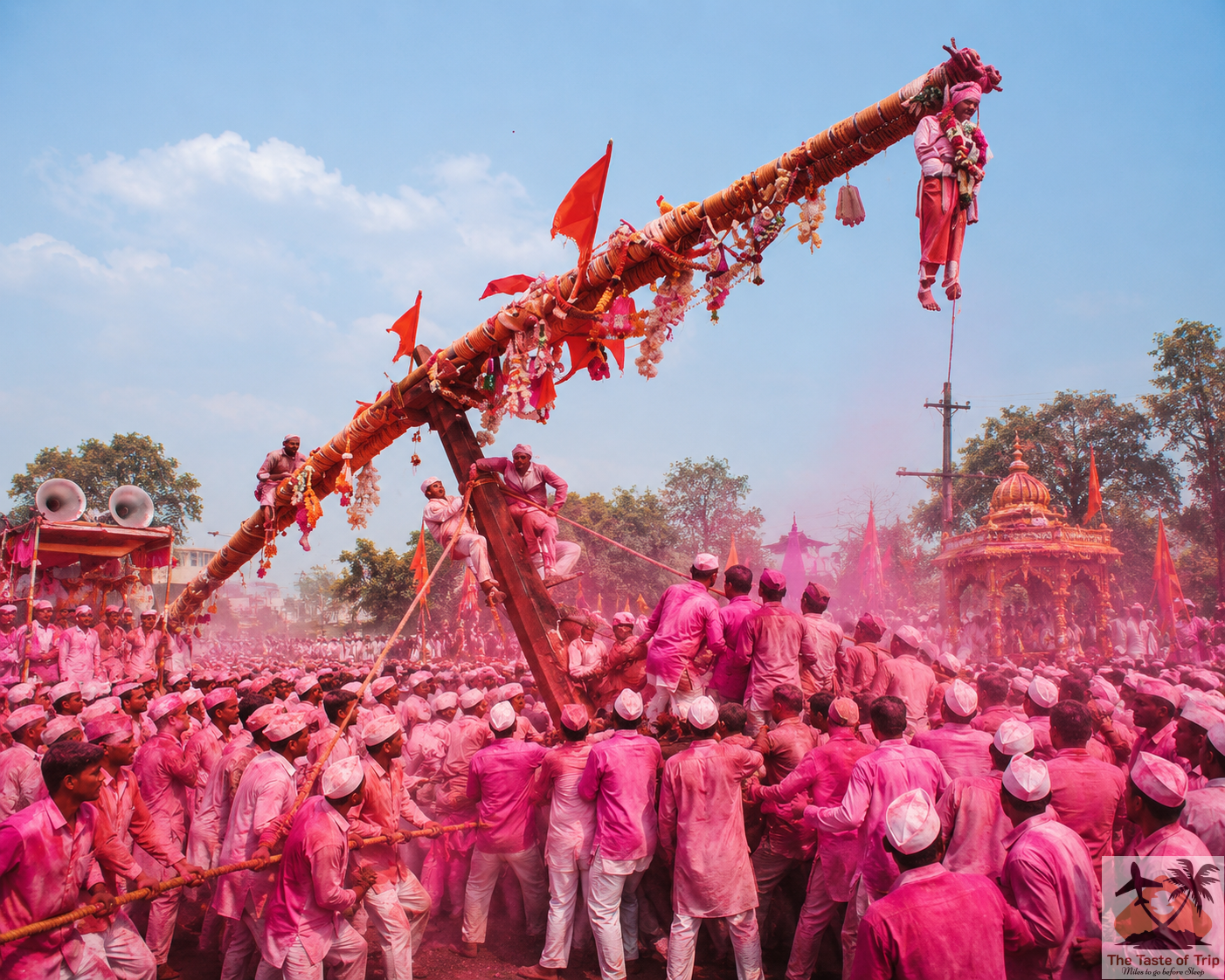
Bagad Yatra is a unique folk festival celebrated in several villages of Maharashtra, particularly in districts such as Ahmednagar, Nashik, Pune, and parts of Marathwada. During the ritual, a devotee (known as the Bagad) is securely tied or suspended from a large wooden beam or rotating cart-like structure and carried in a procession as an act of deep faith and fulfillment of a vow (navas). The procession is accompanied by traditional music, drums, devotional chants, and thousands of devotees. Dedicated mainly to village deities such as Khandoba, Bhairavnath, and other Gram Devatas, Bagad Yatra symbolizes unwavering devotion, courage, and the preservation of Maharashtra’s centuries-old folk traditions.
➥Gondhali – Devotees Through Sacred Performances
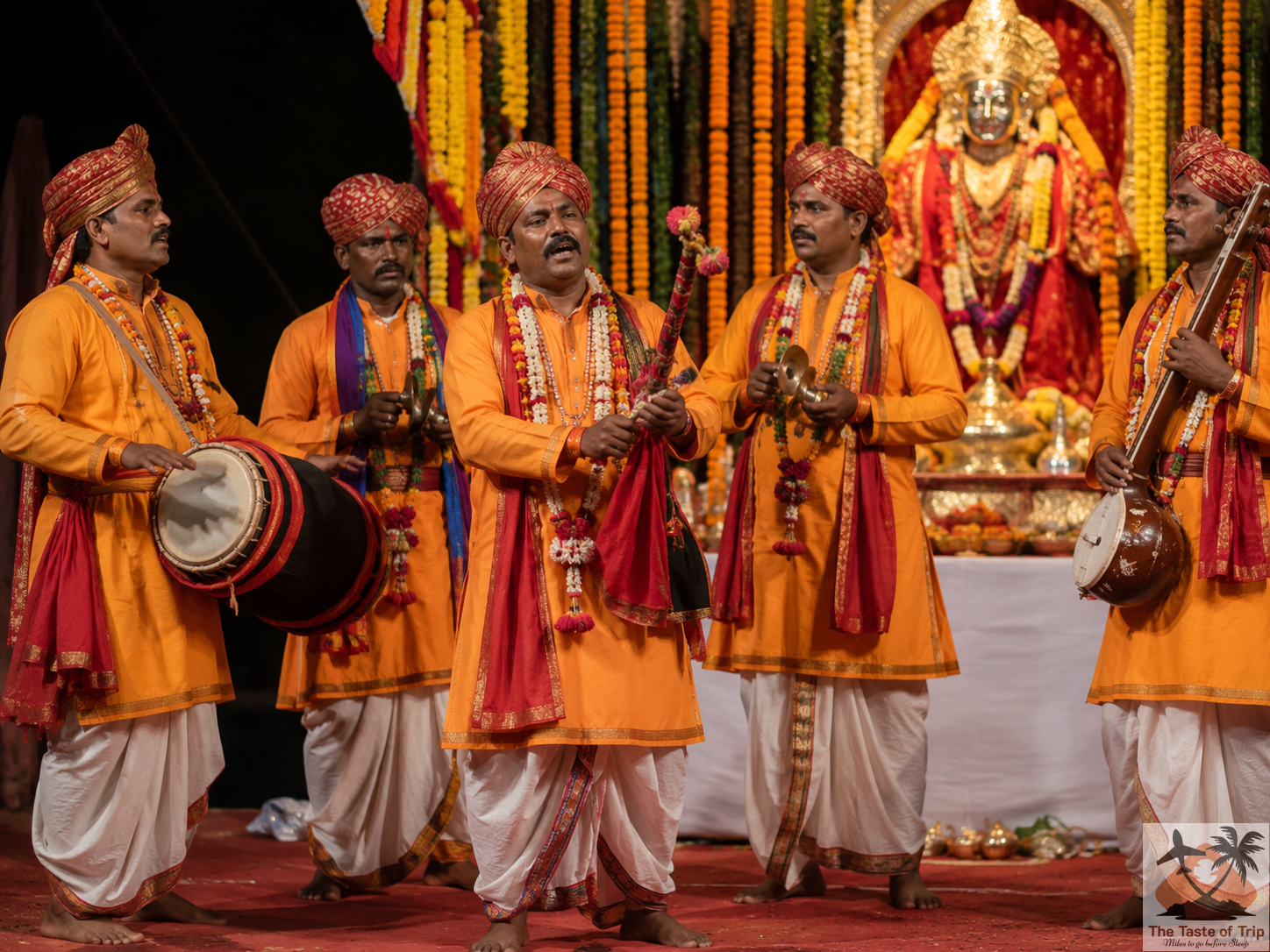
The Gondhali community is known for performing Gondhal, a traditional ritual dedicated to deities such as Goddess Bhavani, Tulja Bhavani, Renuka Devi, and Khandoba. Families often organize Gondhal ceremonies after fulfilling a vow or during auspicious occasions like weddings and housewarming ceremonies. The performance combines devotional songs, storytelling, music, dance, and dramatic narration. Gondhalis wear colorful traditional attire and perform throughout the night using instruments such as the sambal, tal, and chipli. Through mythological stories and devotional hymns, they preserve religious traditions while entertaining devotees. Even today, Gondhal remains an integral part of Maharashtra’s spiritual and cultural landscape.
➥Nandiwale – The Keepers of the Sacred Bull Tradition
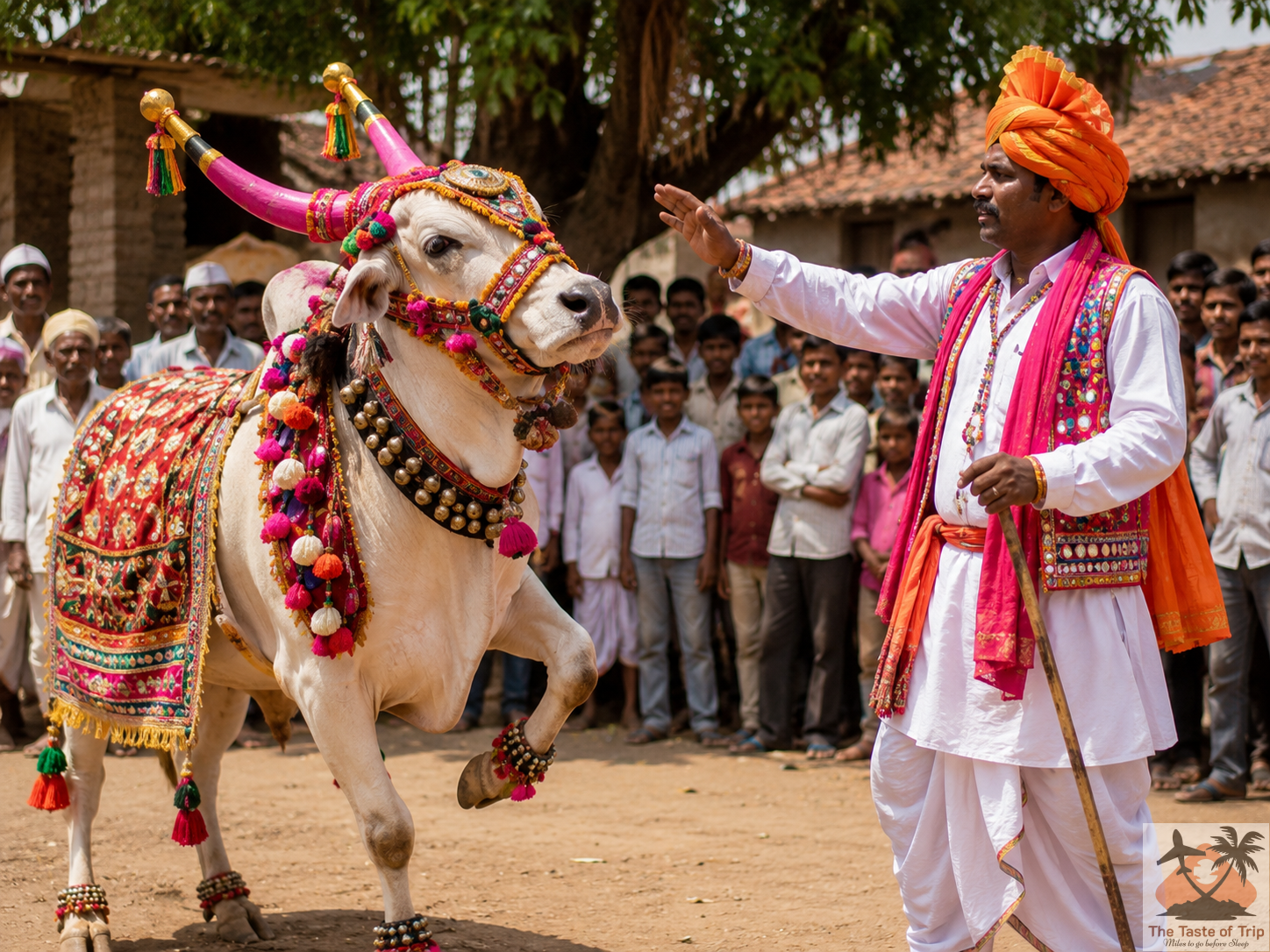
The Nandiwale are a traditional nomadic community famous for travelling from village to village with a beautifully decorated bull, symbolizing Nandi, the sacred vehicle of Lord Shiva. The bull is adorned with colorful cloth, bells, ornaments, and decorative headgear. Villagers welcome the Nandiwale, believing the sacred bull brings prosperity and good fortune. The performer interacts with the animal through commands, making it bow, nod, or respond to questions, creating an engaging experience for children and adults alike. Although modernization has reduced their numbers, the Nandiwale tradition remains a cherished part of Maharashtra’s rural heritage.
➥Warkari – The Path of Devotion
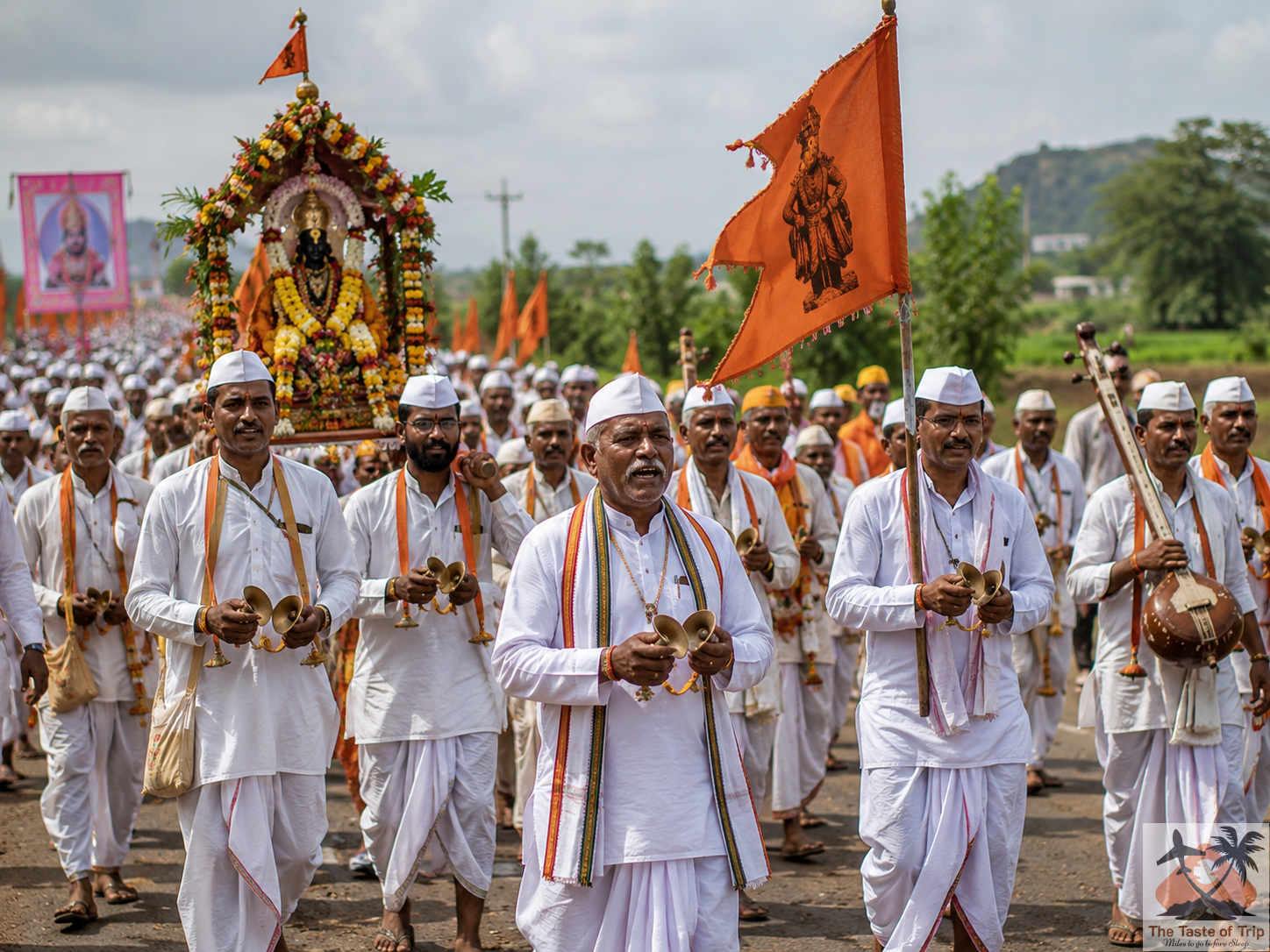
The Warkari tradition represents one of Maharashtra’s most respected spiritual movements. Warkaris are devotees of Lord Vitthal of Pandharpur who undertake the famous Pandharpur Wari, a pilgrimage conducted annually during Ashadhi and Kartiki Ekadashi. Carrying saffron flags, cymbals, and the sacred Padukas of saints like Sant Dnyaneshwar and Sant Tukaram, thousands of devotees walk hundreds of kilometers while singing Abhangas and chanting the Lord’s name. The Warkari philosophy emphasizes equality, simplicity, compassion, devotion, and selfless service. The pilgrimage has become a symbol of Maharashtra’s spiritual unity and cultural identity.
➥Vasudev – The Morning Herald of Devotion
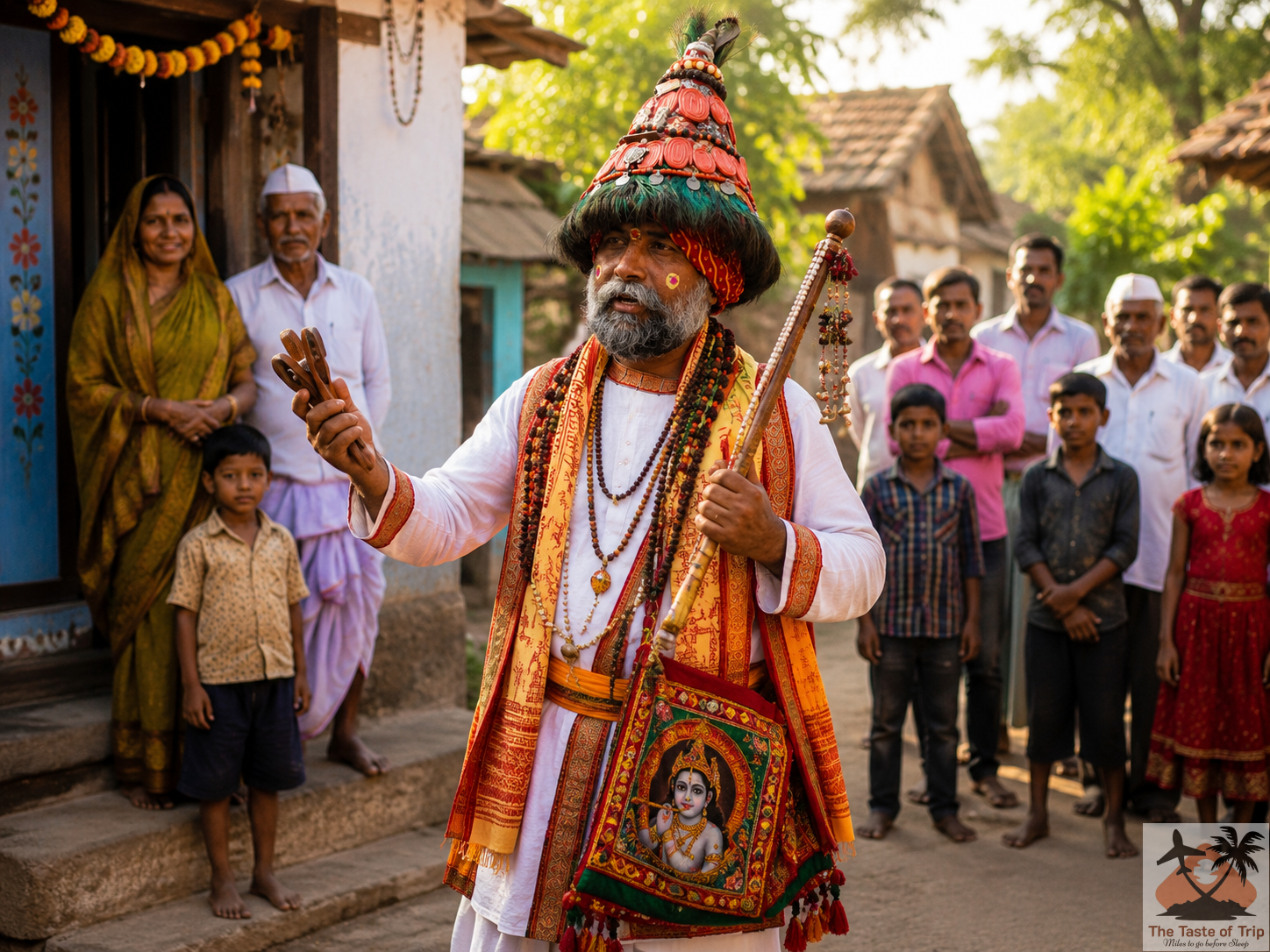
The Vasudev tradition is one of Maharashtra’s oldest forms of devotional folk culture. Traditionally, Vasudevs visit villages during the early morning hours singing devotional songs in praise of Lord Krishna while awakening people with their melodious voices. Dressed in colorful attire with a distinctive peacock-feather crown, they carry a chipli (wooden castanet) and a cloth bag for offerings. Their songs spread messages of devotion, morality, and kindness while preserving centuries-old oral traditions. Although rarely seen today, the Vasudev remains an iconic symbol of Maharashtra’s rural cultural heritage.
➥Potraj – The Devoted Followers of Goddess Mari Aai
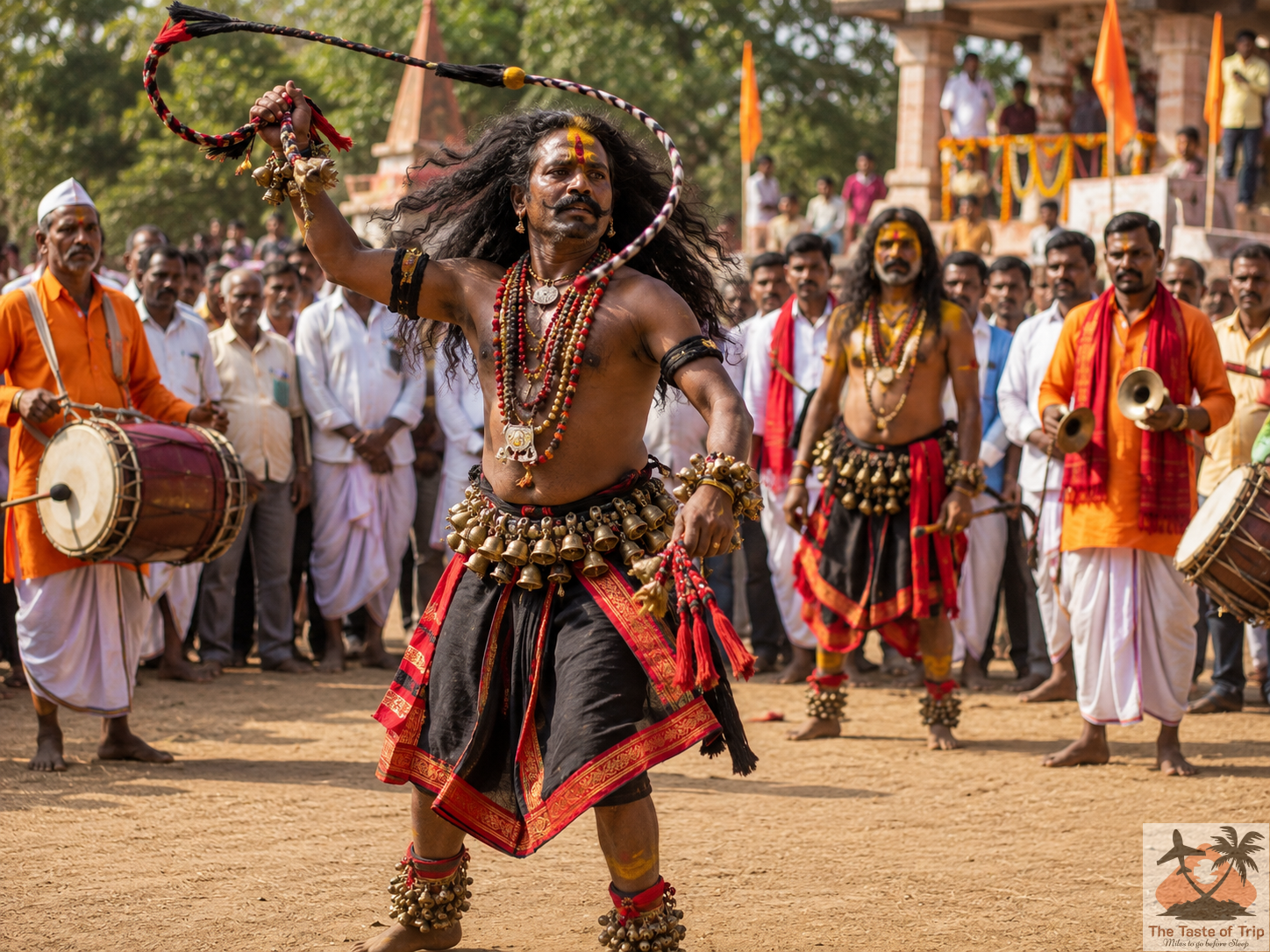
Potraj are traditional devotees dedicated to Goddess Mari Aai (Mariamman), revered as the protector against diseases and epidemics. They are easily recognized by their vibrant costumes, long hair, waist bells, and the distinctive whip they carry. During religious processions and village festivals, Potraj perform energetic dances accompanied by drums and devotional music. Their performances symbolize complete devotion, sacrifice, and faith in the goddess. They often travel from village to village seeking alms while spreading religious beliefs associated with Mari Aai. Despite changing lifestyles, Potraj continue to preserve this unique devotional tradition.
➥Pingla – The Traditional Messenger of Auspiciousness
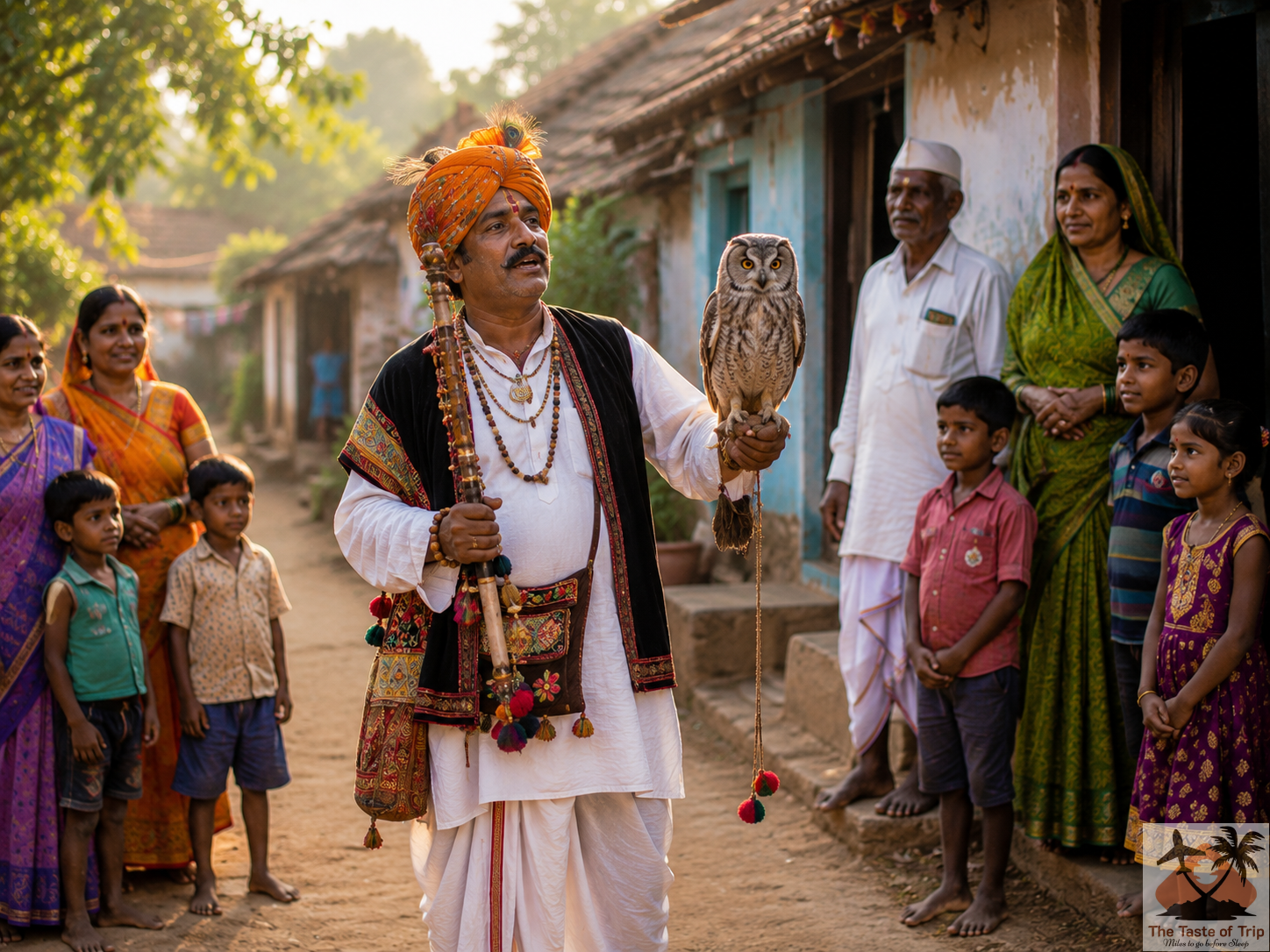
Pingla is a lesser-known but fascinating folk tradition of Maharashtra. Traditionally, Pingla performers visit homes during the early morning carrying symbolic birds or representing the wise owl, locally associated with divine messages and predictions. Using devotional songs, blessings, and poetic narration, they convey messages of hope, prosperity, and good fortune. Their performances were once an important part of village life, especially before the arrival of modern communication. Today, Pingla survives mainly during cultural festivals and heritage programs, reminding people of Maharashtra’s rich oral storytelling traditions.
➥Lavani – Maharashtra’s Iconic Folk Performance
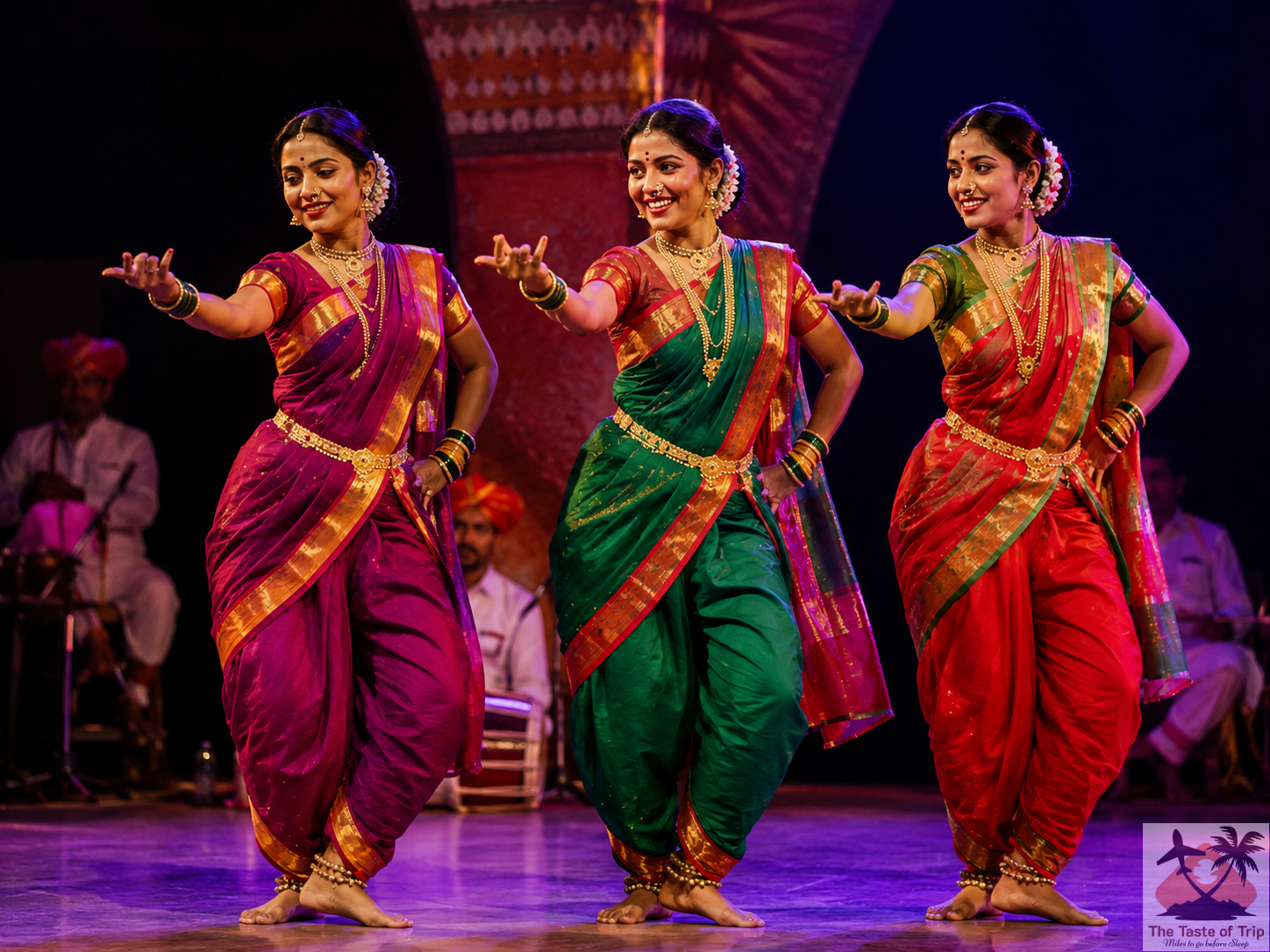
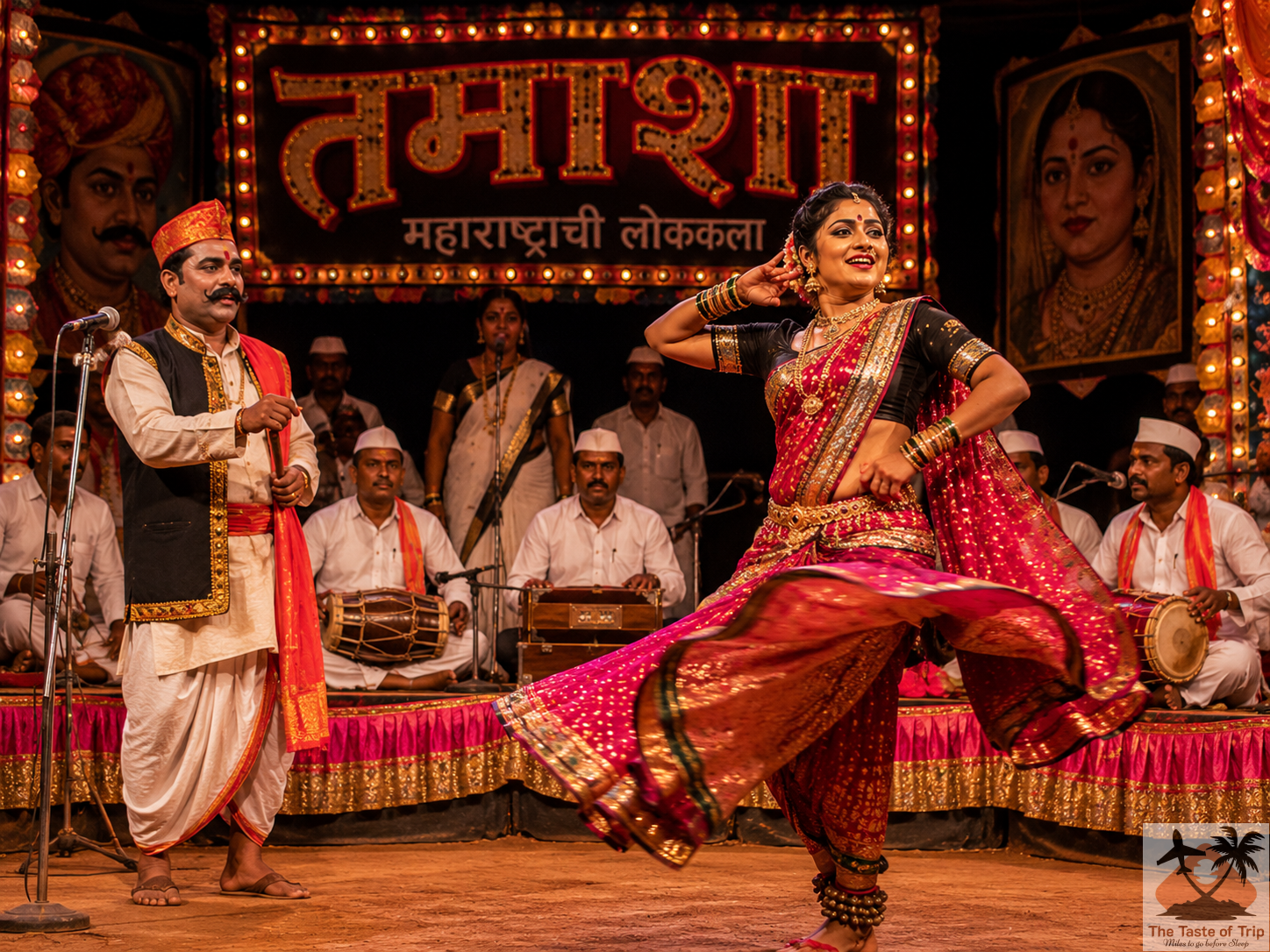
Lavani is undoubtedly Maharashtra’s most famous folk performance, celebrated for its powerful music, expressive dance, and poetic storytelling. Performed mainly to the energetic beats of the dholki, Lavani combines graceful movements, expressive facial expressions, and emotionally rich lyrics. Historically, Lavani flourished during the Maratha period and became an important form of entertainment that also conveyed social messages, romance, humor, and political satire. Performers wear the traditional Nauvari saree, elaborate jewelry, and distinctive makeup that enhances the dramatic presentation. Today, Lavani enjoys immense popularity on cultural stages, theatre performances, festivals, and even modern cinema, making it one of Maharashtra’s most recognizable cultural symbols.
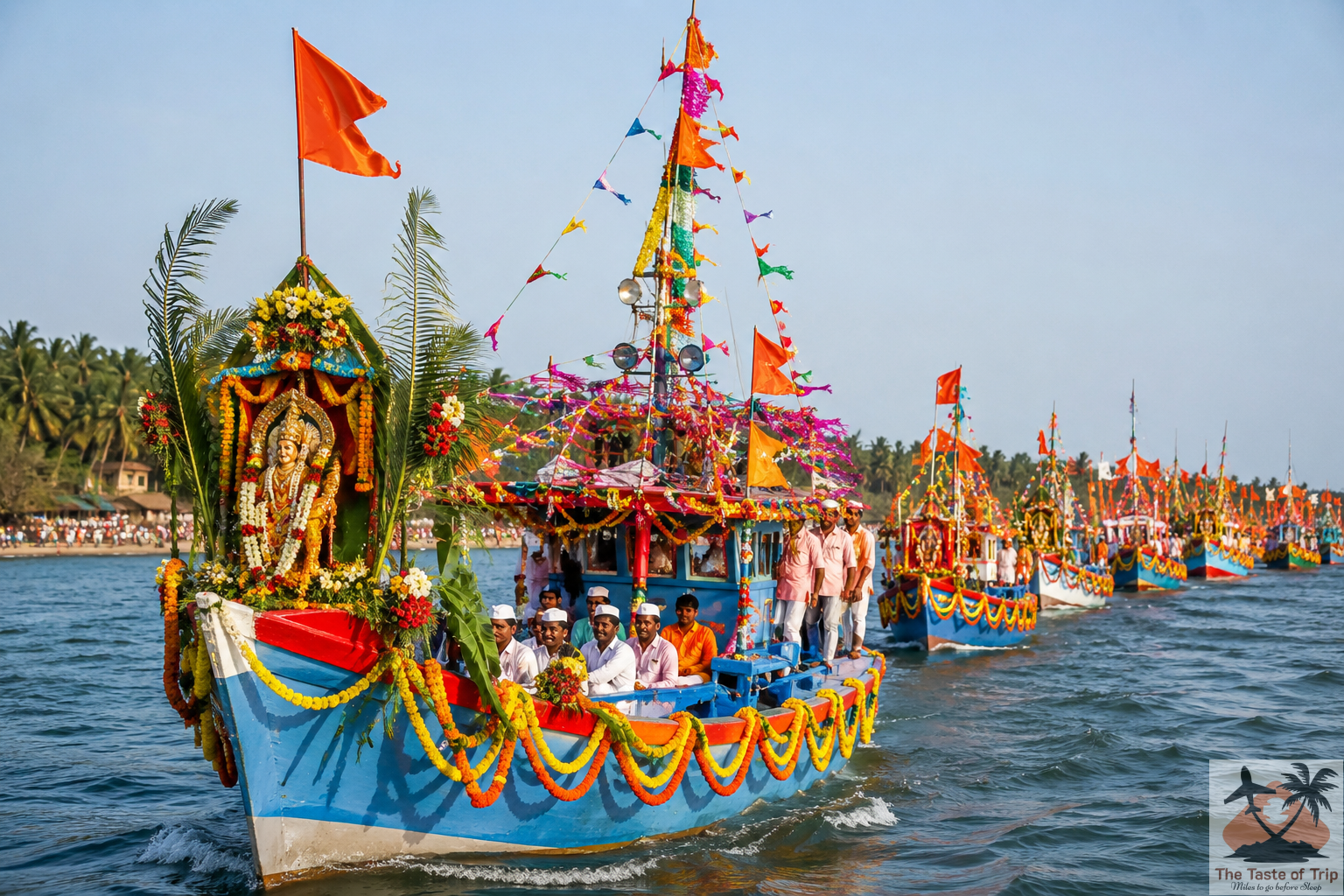
➥ Shimga (Shigmotsav) – Konkan’s Grand Spring Festival
Shimga, also known as Shigmotsav, is one of the most important folk festivals of the Konkan region of Maharashtra, especially celebrated in Ratnagiri, Sindhudurg, Raigad, and parts of Goa. Observed during the Hindu month of Phalguna (March), it marks the arrival of spring and symbolizes the victory of good over evil. The festival begins with the worship of village deities and is celebrated with great enthusiasm in coastal villages. The celebrations feature colorful processions, Dashavatar folk theatre, traditional dances, drumming, devotional songs, decorated palanquins, and vibrant cultural performances. People dressed in traditional attire come together to celebrate their rich heritage, making Shimga not only a religious festival but also a grand showcase of Konkan’s folk culture, community spirit, and age-old traditions.
➥Tamasha – Maharashtra’s Traditional Folk Theatre
Tamasha is a vibrant folk theatre of Maharashtra that combines music, dance, drama, comedy, and storytelling into an entertaining performance. Popular in rural Maharashtra, it features energetic Lavani dances, humorous dialogues, and social satire accompanied by traditional instruments like the dholki and halgi. Originating during the Maratha era, Tamasha has long served as both a source of entertainment and a medium for spreading social and cultural messages. Even today, it remains one of Maharashtra’s most iconic and celebrated folk art forms.
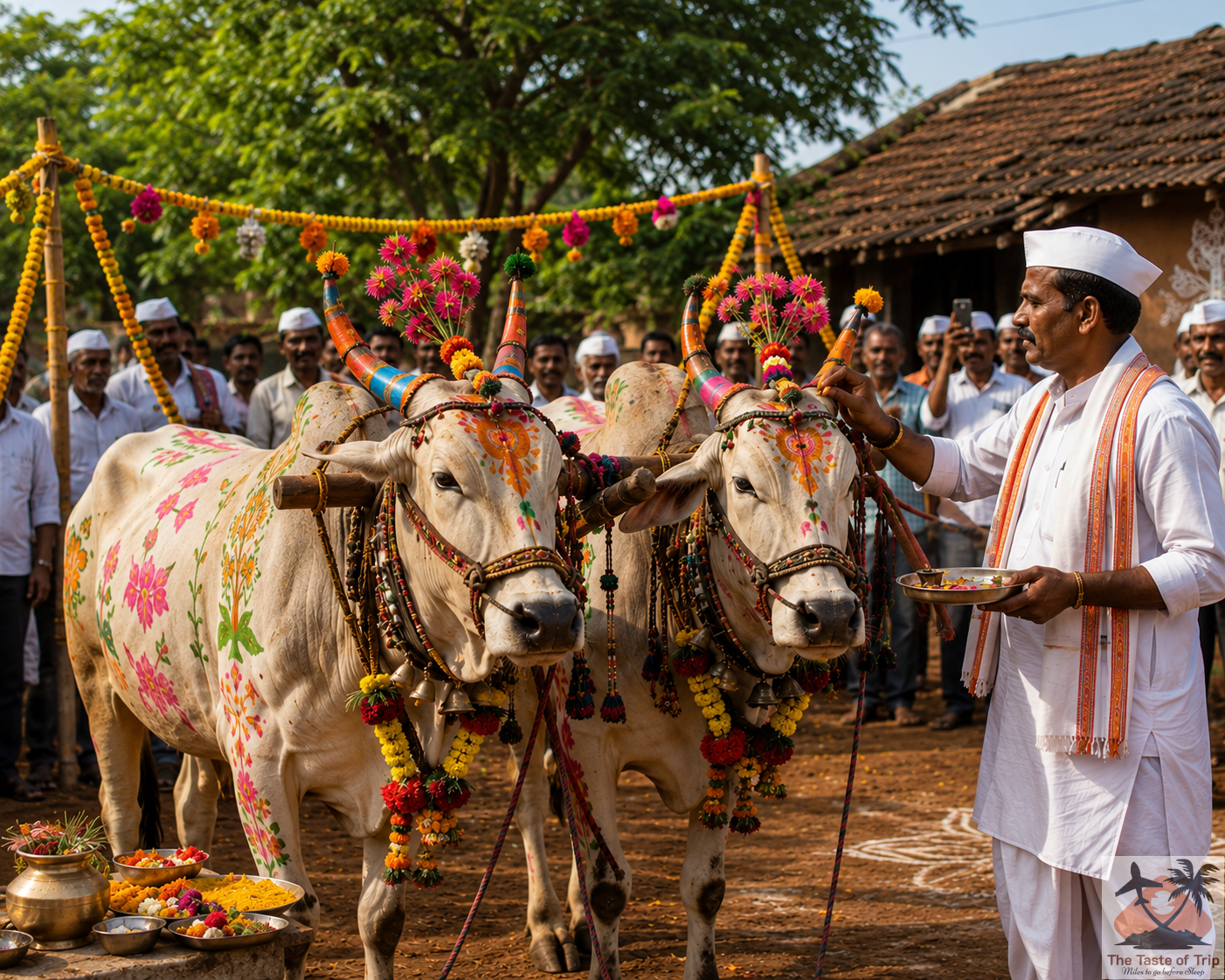
➥Bail Pola – The Festival Honouring Farmers’ Bullocks
Bail Pola is a traditional harvest festival celebrated across rural Maharashtra to express gratitude to bullocks for their invaluable contribution to agriculture. On this day, the animals are bathed, decorated with colorful ornaments, painted horns, flower garlands, and embroidered cloth before being taken in a festive procession. Farmers worship their bullocks, perform rituals, and offer special food as a mark of respect and appreciation. Celebrated during the month of Shravan (August–September), Bail Pola symbolizes the deep bond between farmers, their cattle, and nature, reflecting Maharashtra’s rich agrarian heritage.
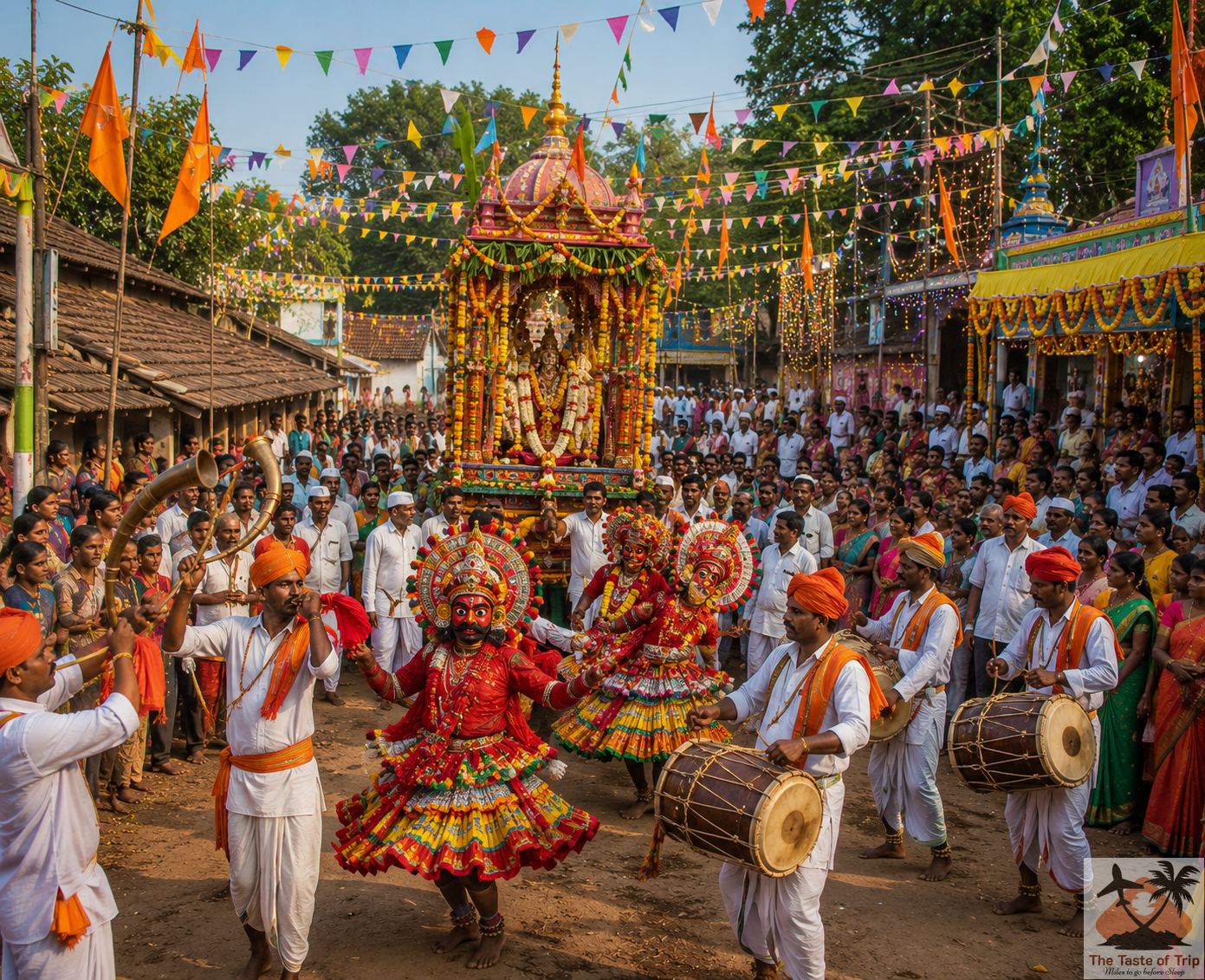
➥Village Jatra – The Heart of Rural Maharashtra
A Village Jatra is a traditional annual fair celebrated in honor of a village’s presiding deity (Gram Devata) and is one of the most vibrant cultural events in rural Maharashtra. The festivities include religious rituals, grand processions, folk performances like Tamasha, Gondhal, and Kirtan, along with local markets, amusement rides, and traditional food stalls. Villagers and devotees from nearby regions gather to seek blessings, celebrate together, and preserve age-old customs. A Village Jatra beautifully showcases Maharashtra’s rich folk culture, community spirit, and religious traditions.
Maharashtra’s folkways are a priceless reflection of the state’s history, spirituality, and rural traditions. From vibrant dances and devotional performances to unique festivals and centuries-old customs, each tradition showcases the cultural richness and community spirit of Maharashtra. Preserving and celebrating these living traditions not only safeguards the state’s intangible heritage but also inspires future generations to stay connected with their cultural roots.
**************************
Information Source: Authentic information sources available on internet, Various Articles and books on the subject, official sources of govt & Interaction with local public.
For more information & feedback write email at : ikanchan2024@gmail.com

