
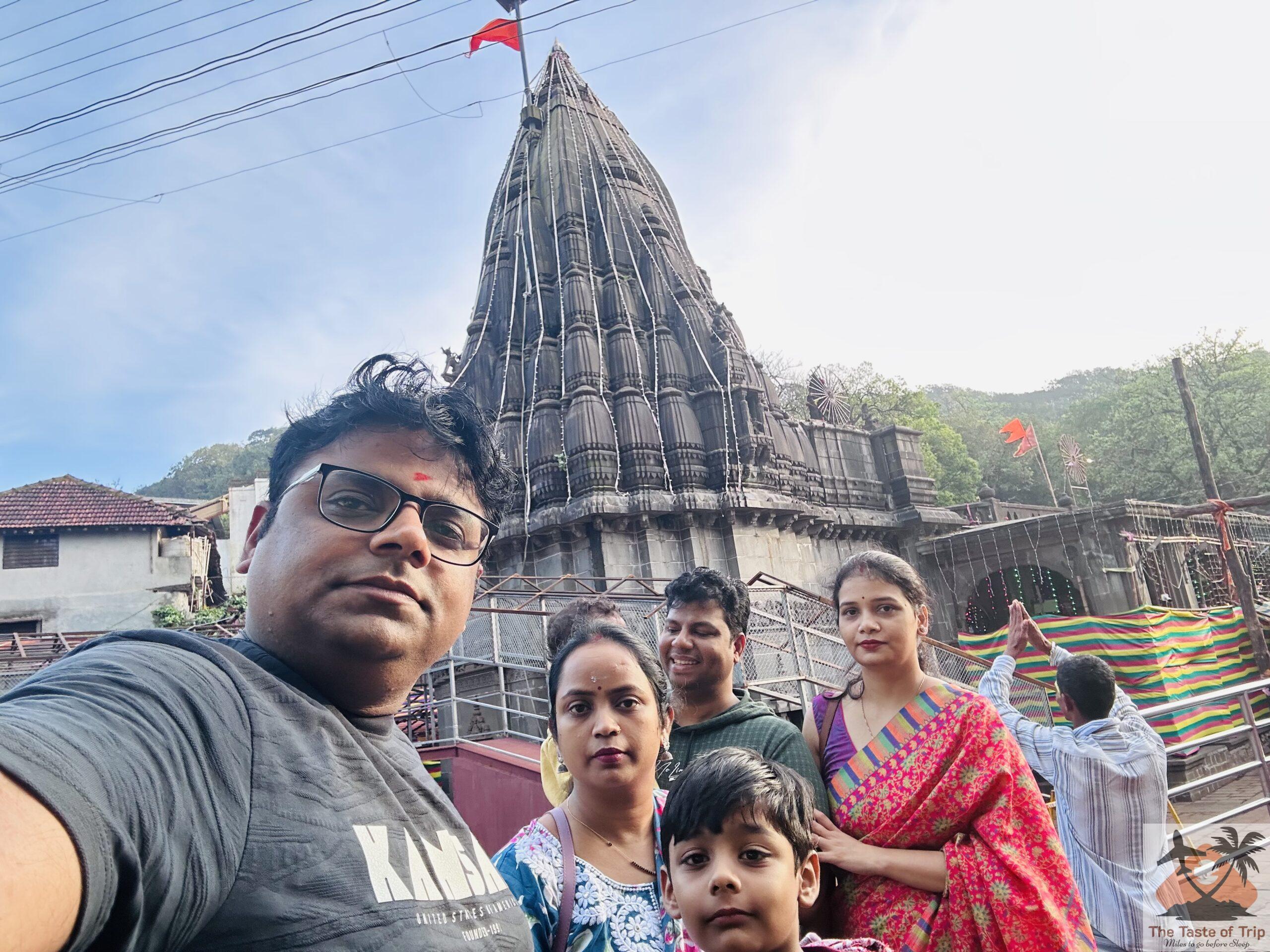
Some temples are not only places of worship—they feel like a peaceful journey for the soul. Bhimashankar Jyotirling Temple is one such divine destination. Known as one of the 12 sacred Jyotirlingas of Lord Shiva, it is nestled in the lush green Sahyadri hills of Maharashtra. A visit to Bhimashankar Jyotirling Temple is not just about darshan; it is an experience that beautifully blends spiritual energy, fresh forest air, cool mountain climate, and deep devotion.
Devotees from Maharashtra and across India visit this temple with immense faith. The powerful presence of Lord Shiva here fills the surroundings with positivity and calmness. With dense forests, misty weather, and a serene atmosphere, Bhimashankar Jyotirling Temple becomes the perfect place for spiritual seekers, nature lovers, and anyone looking for peace and inner strength.
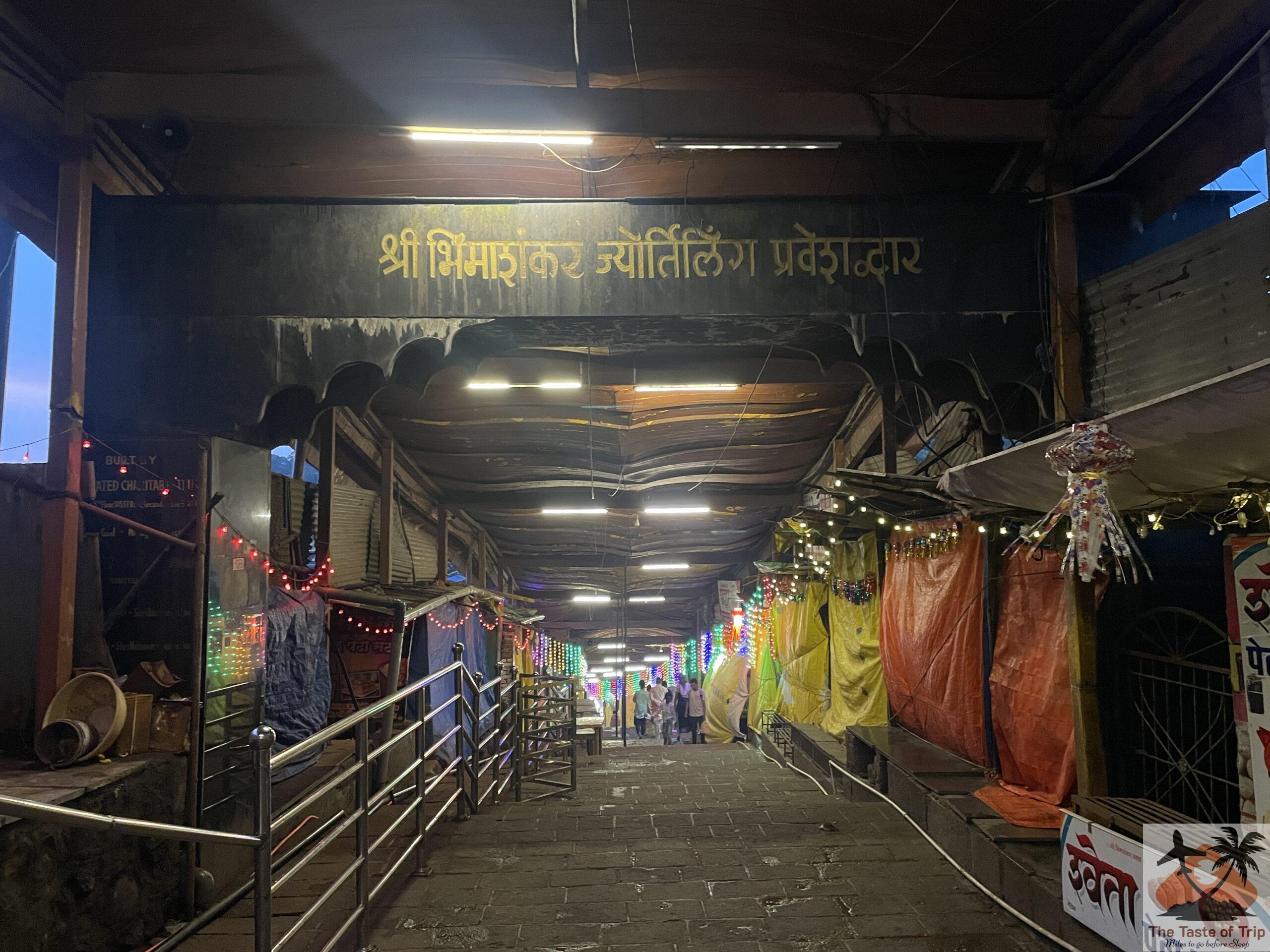
➥Physical Location & Natural Beauty
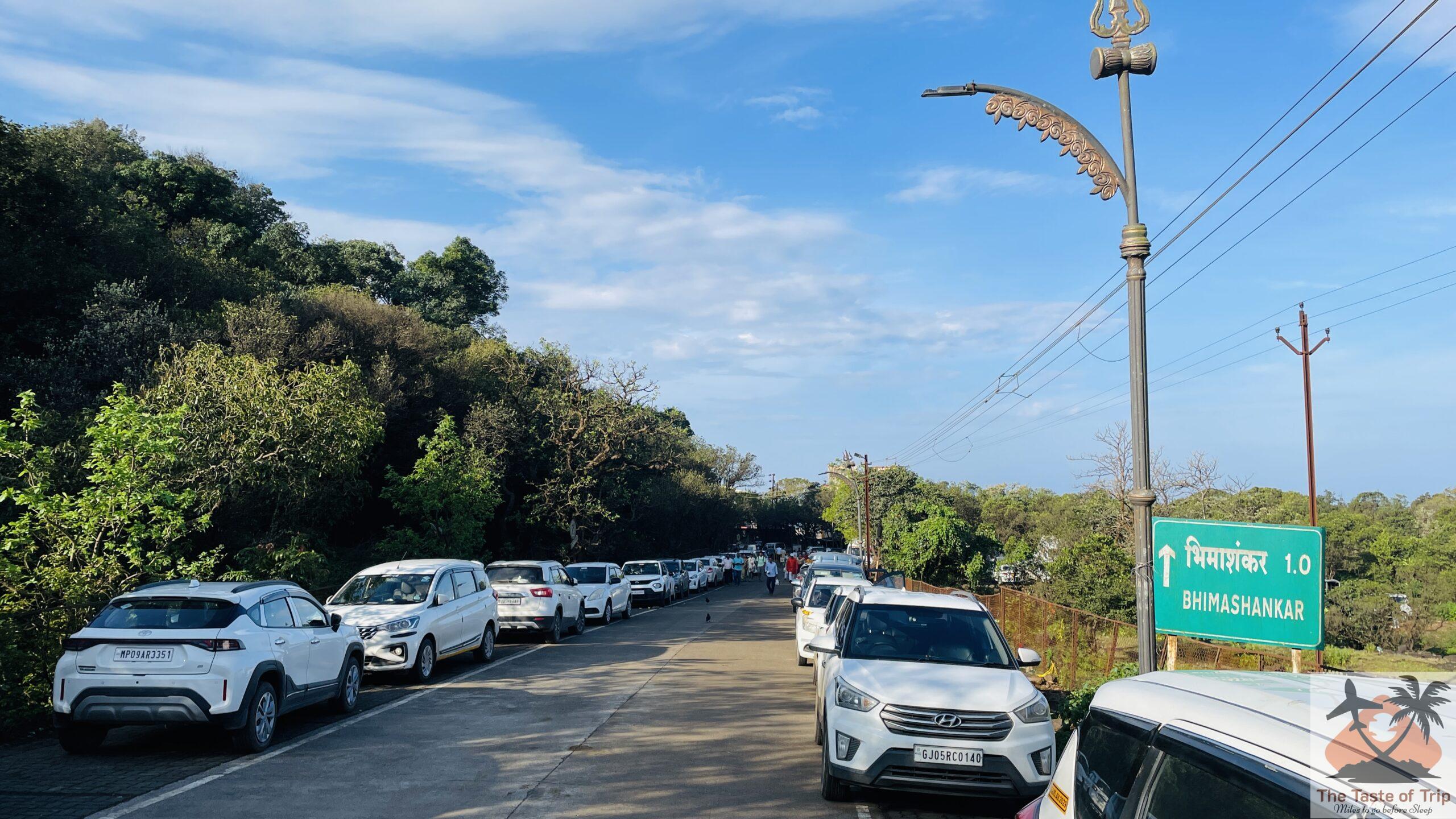
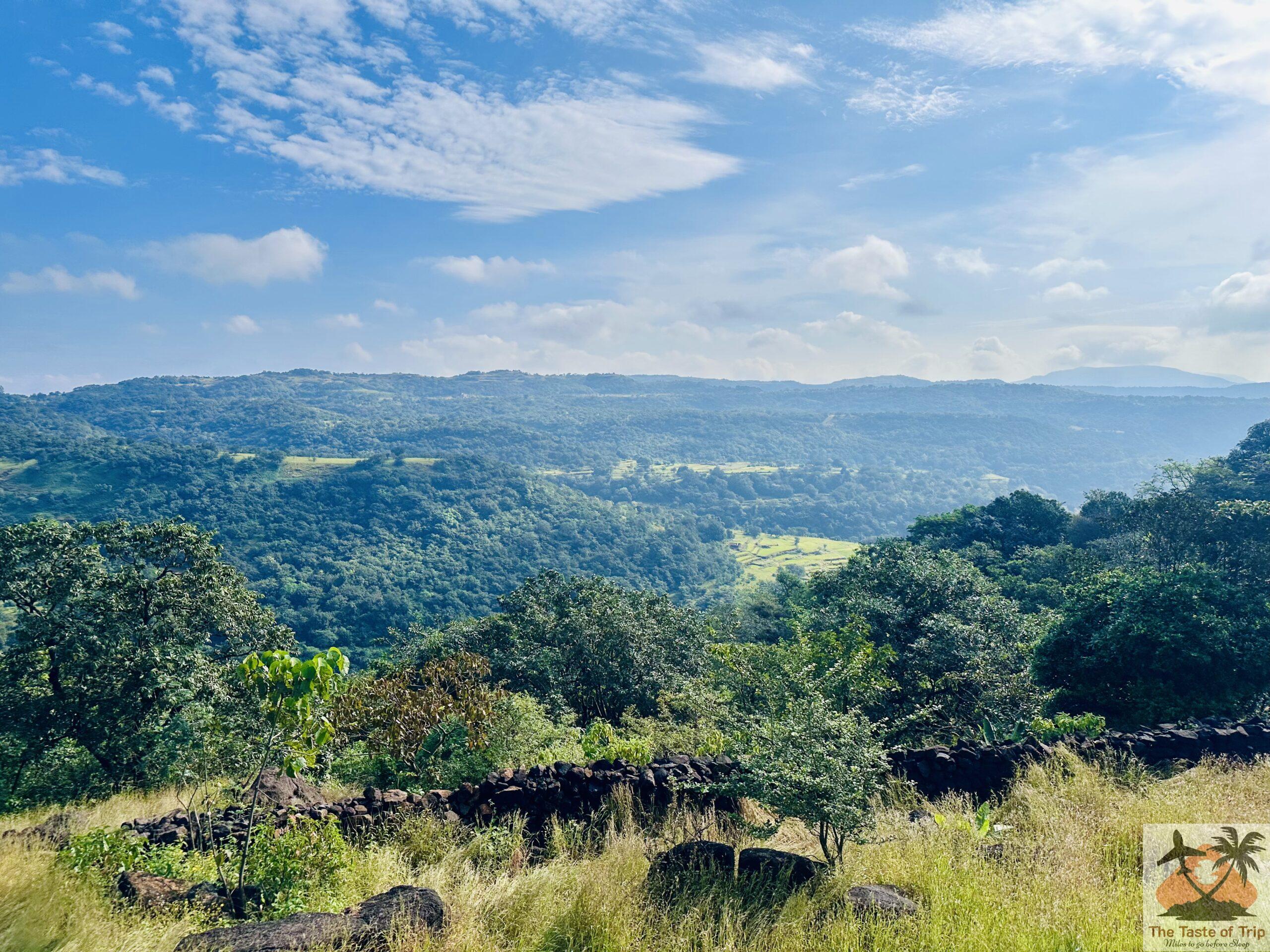
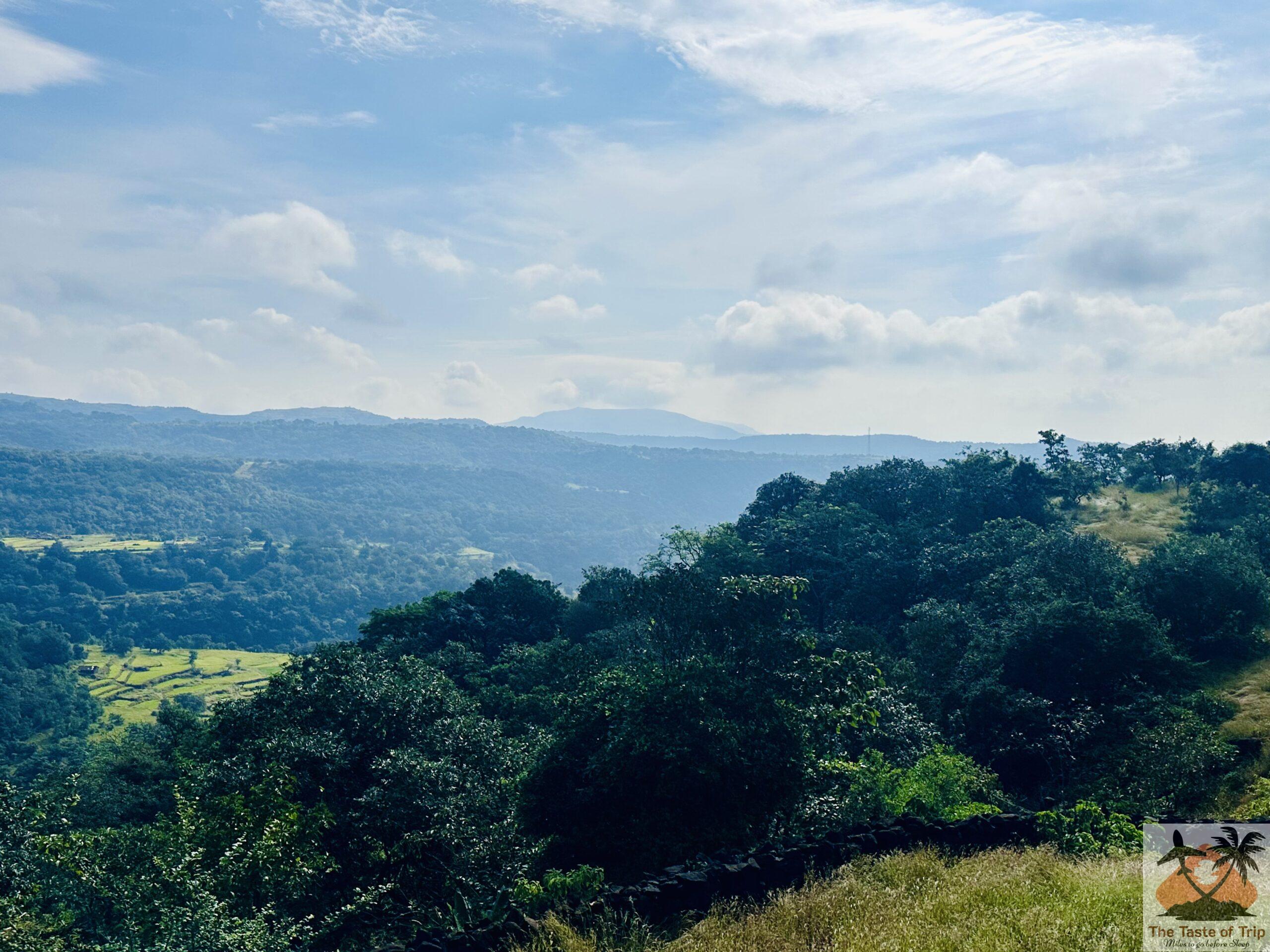
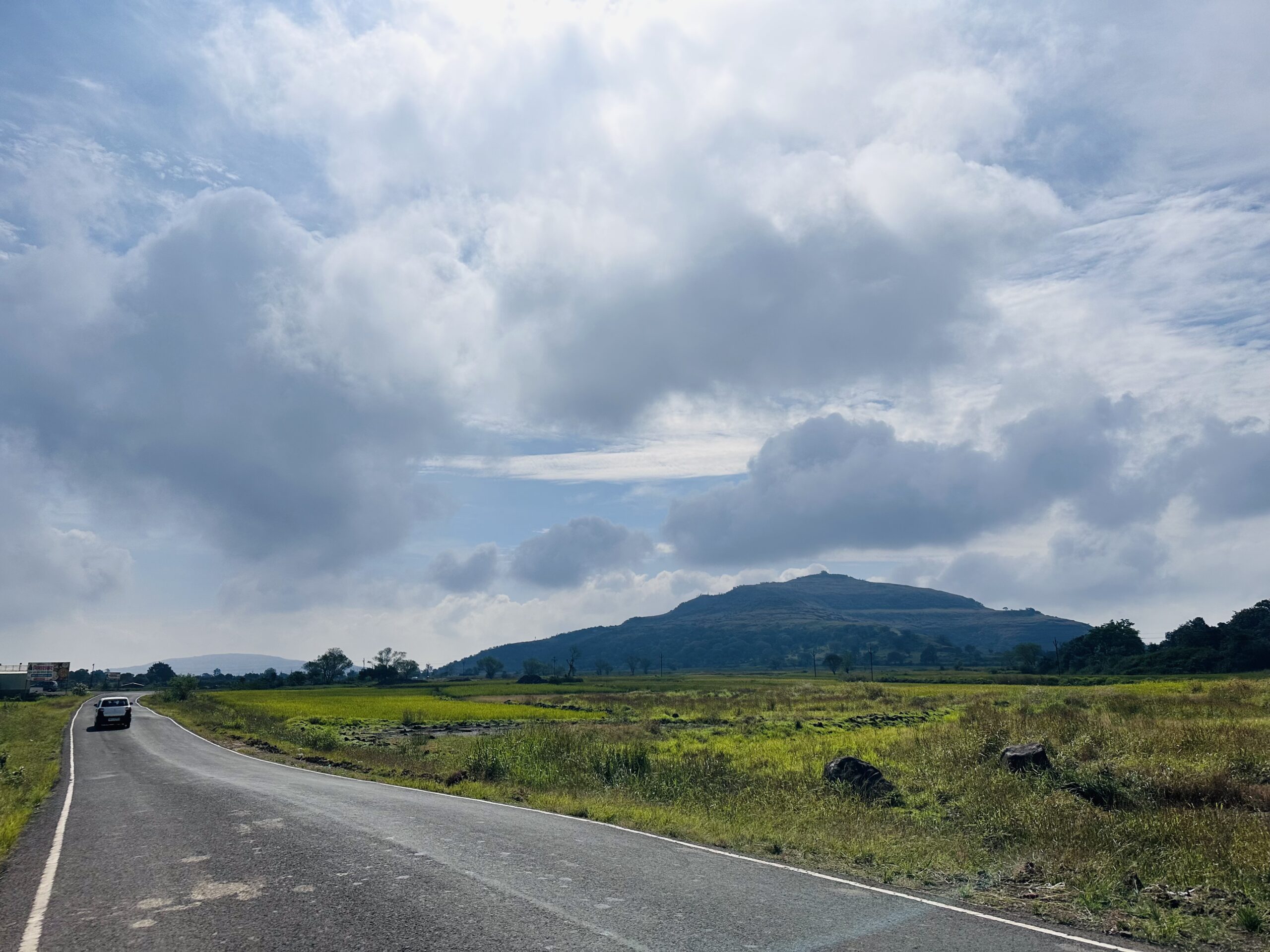
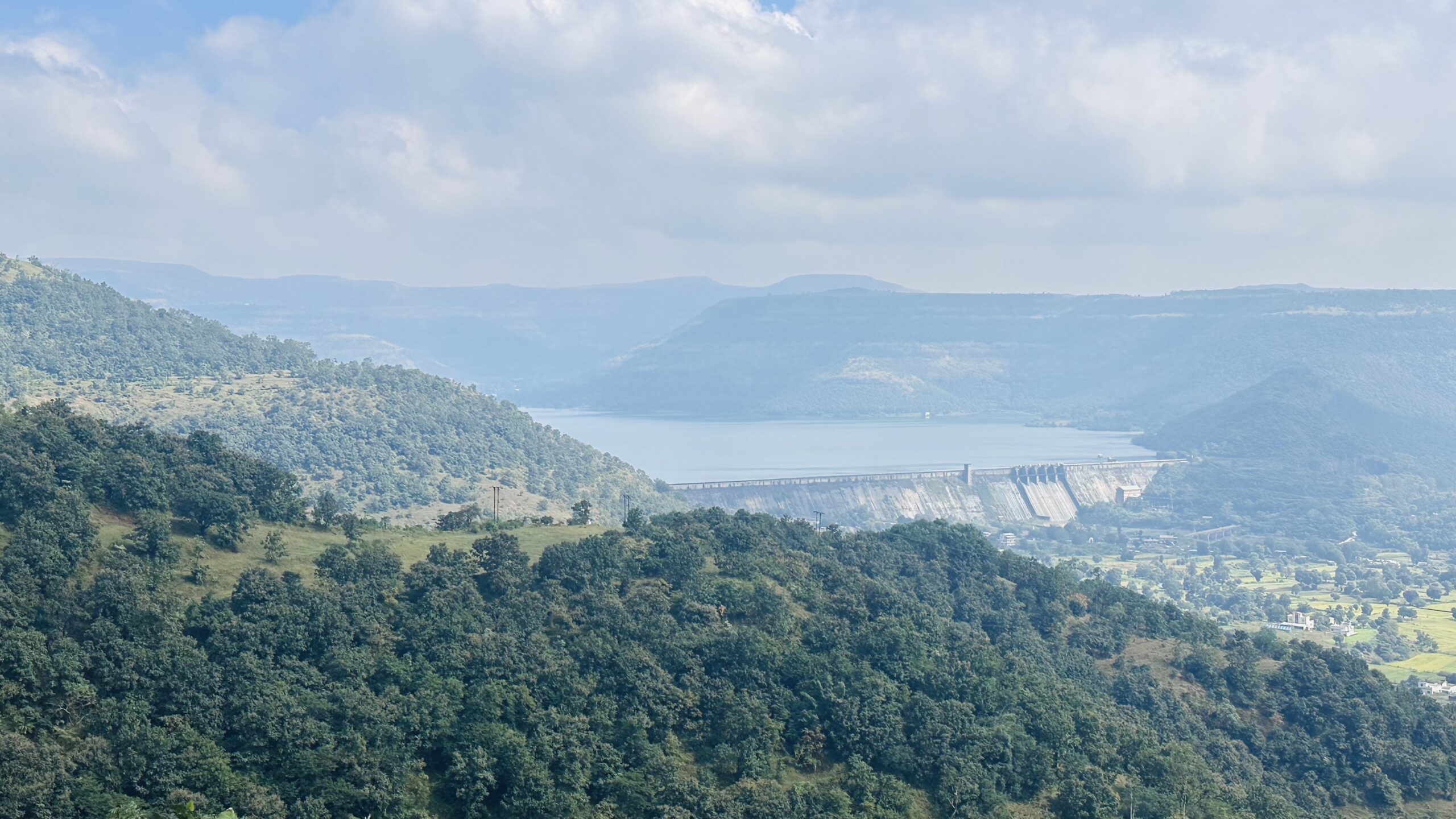
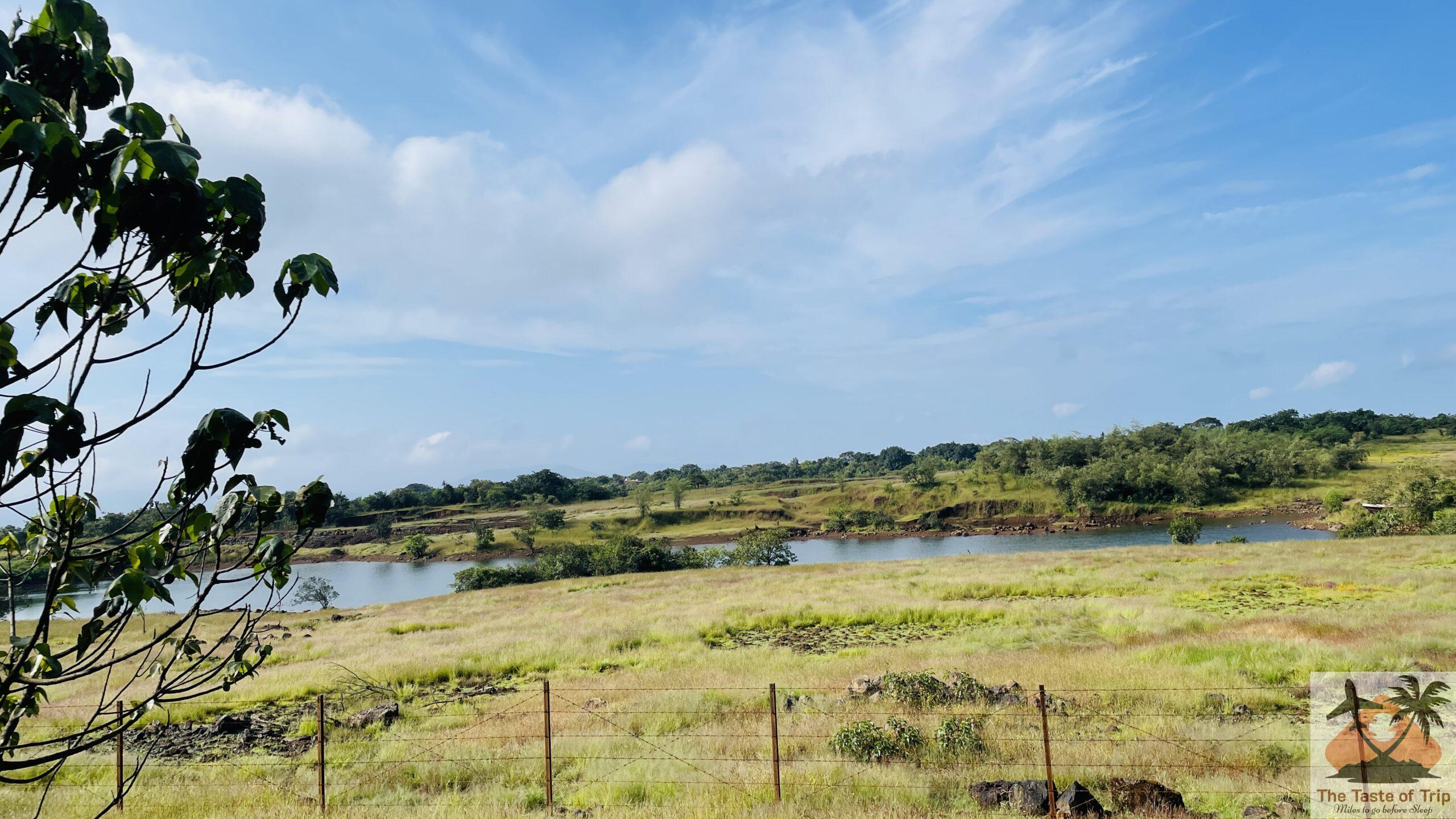
Bhimashankar Jyotirling Temple is located in the Pune district of Maharashtra, deep inside the Western Ghats, surrounded by dense forests and beautiful hill ranges. The temple region comes under the Bhimashankar Wildlife Sanctuary, which makes the journey itself feel refreshing and special—throughout the route you can enjoy greenery, valleys, birds, and a peaceful natural atmosphere.
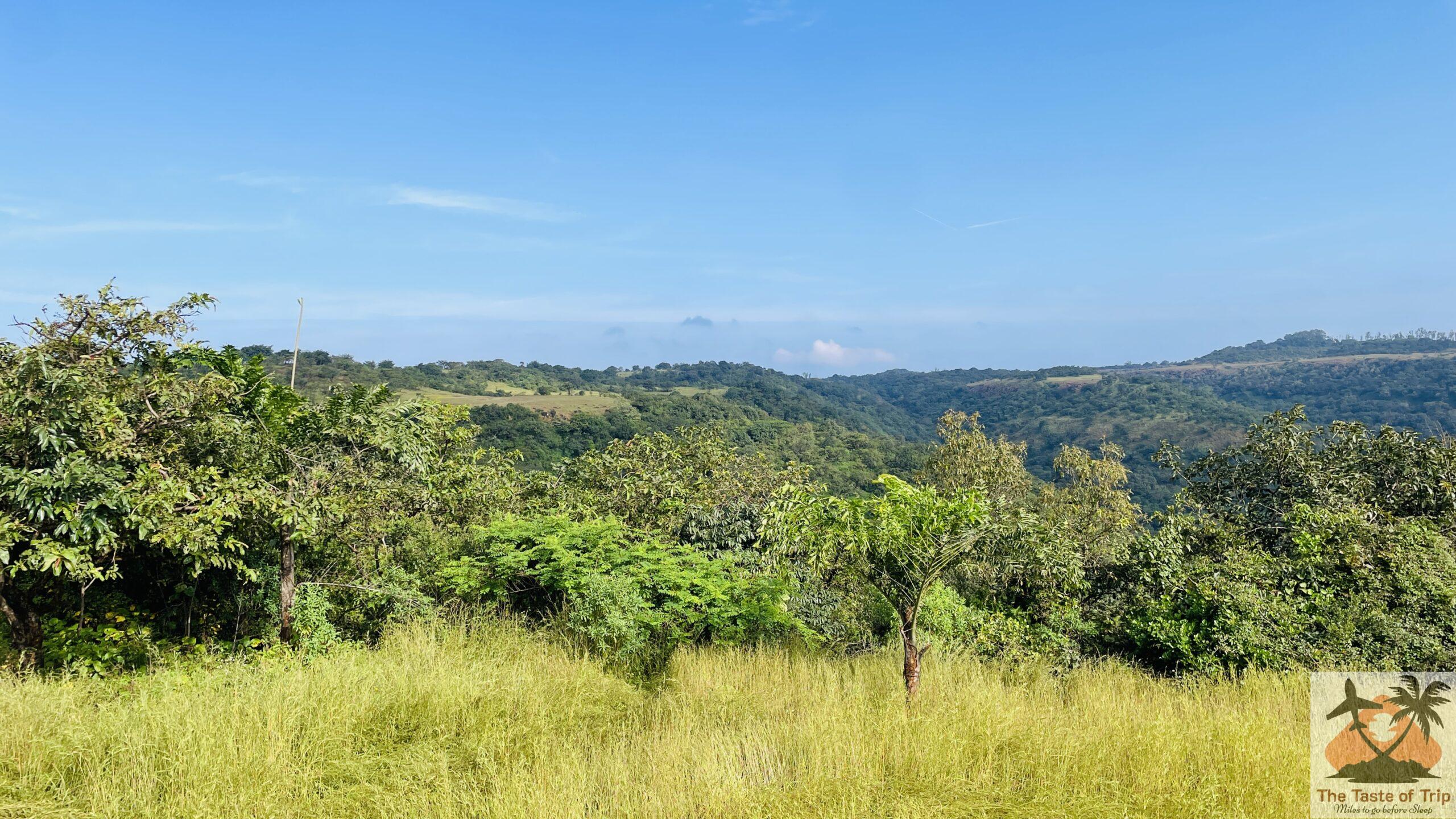
Bhimashankar Jyotirling Temple is around 110 km from Pune and approximately 210–220 km from Mumbai, with nearby towns like Manchar and Ghodegaon serving as common connecting points. Since the temple is situated at a good height in the Sahyadri hills, the weather here remains pleasantly cool for most of the year, and during the monsoon season it becomes even more scenic and magical. Many visitors feel a sense of calmness as soon as they enter the Bhimashankar area, and some even say that the surroundings start creating a spiritual feeling much before the temple darshan.
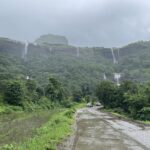
One of the most unforgettable highlights is the monsoon fog—during the rainy season, thick mist covers the roads, trees, and the entire temple region, sometimes becoming so dense that it feels like the temple is hidden inside clouds. The combination of lush green forests, dripping leaves, small waterfalls, and cool foggy air creates a heavenly atmosphere, making Bhimashankar Jyotirling Temple a perfect place not only for devotees but also for nature lovers, photographers, and monsoon travellers.
➥Historical & Mythological Importance
Bhimashankar Jyotirling Temple is not just a hill temple, it has deep mythological meaning. As per legend, there was a demon named Tripurasura who became extremely powerful and started troubling sages and gods. The gods prayed to Lord Shiva for help. Shiva fought a fierce battle with this demon and defeated him to protect the world.
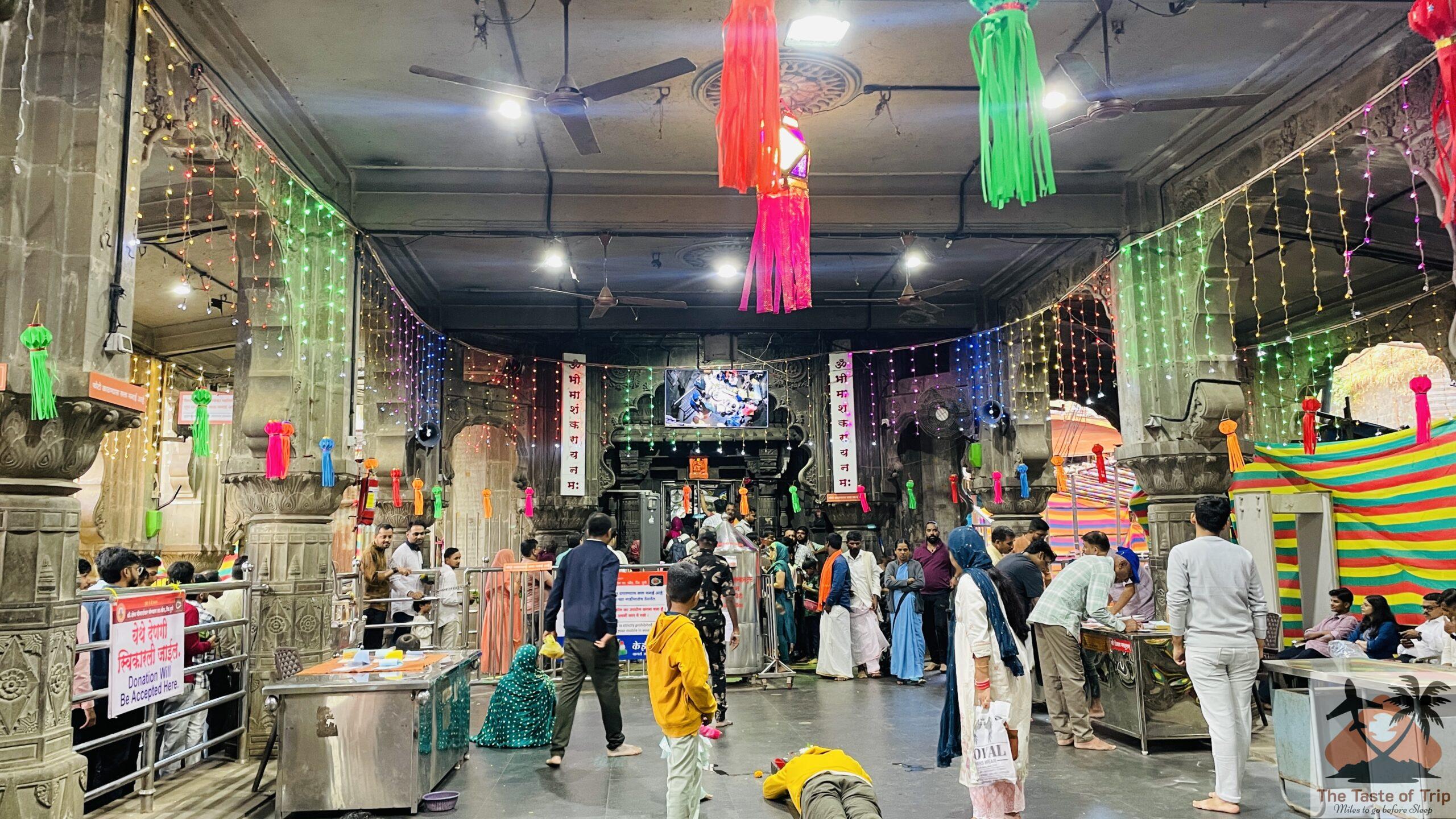
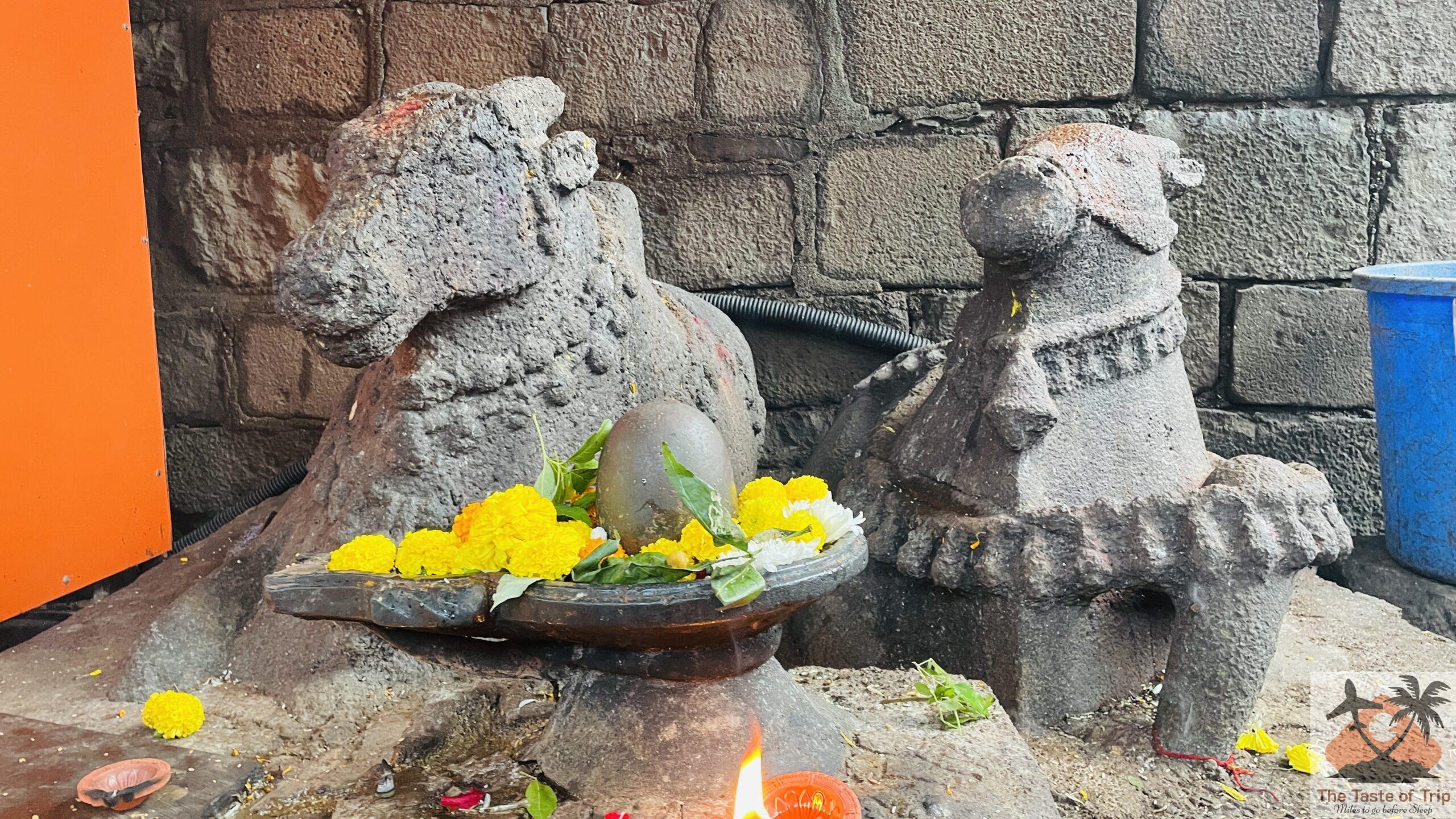
It is believed that after the intense battle, Lord Shiva’s sweat fell on the earth, and from that sacred origin, the Bhima River began. This is why the place is called Bhimashankar, meaning Shiva connected with Bhima. Devotees strongly believe that Lord Shiva stayed here as a Jyotirlinga to bless devotees for eternity. This story makes Bhimashankar Jyotirlinga a symbol of Shiva’s strength and protection. The temple reminds devotees that evil and pride can never defeat truth and divine power.
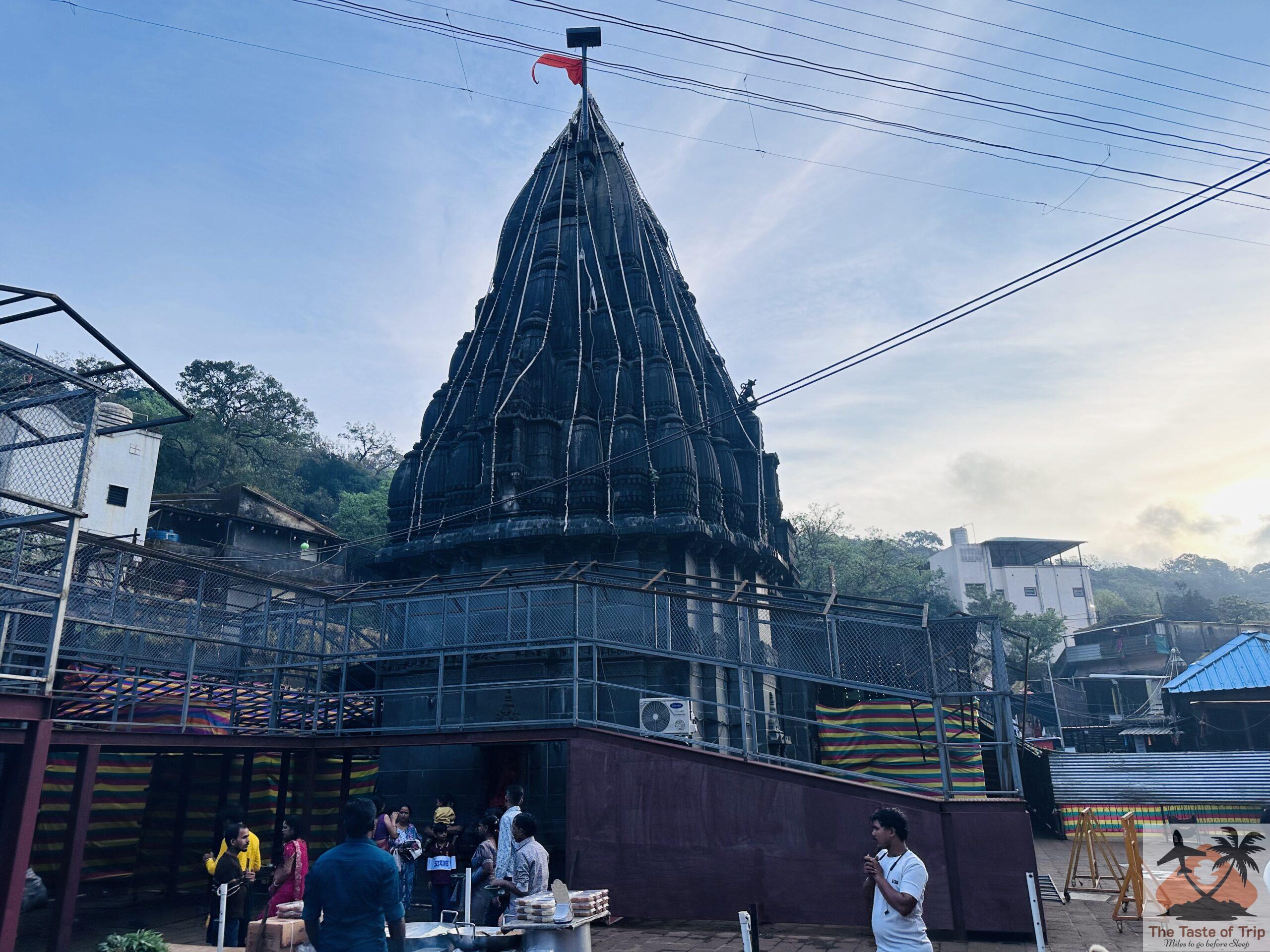
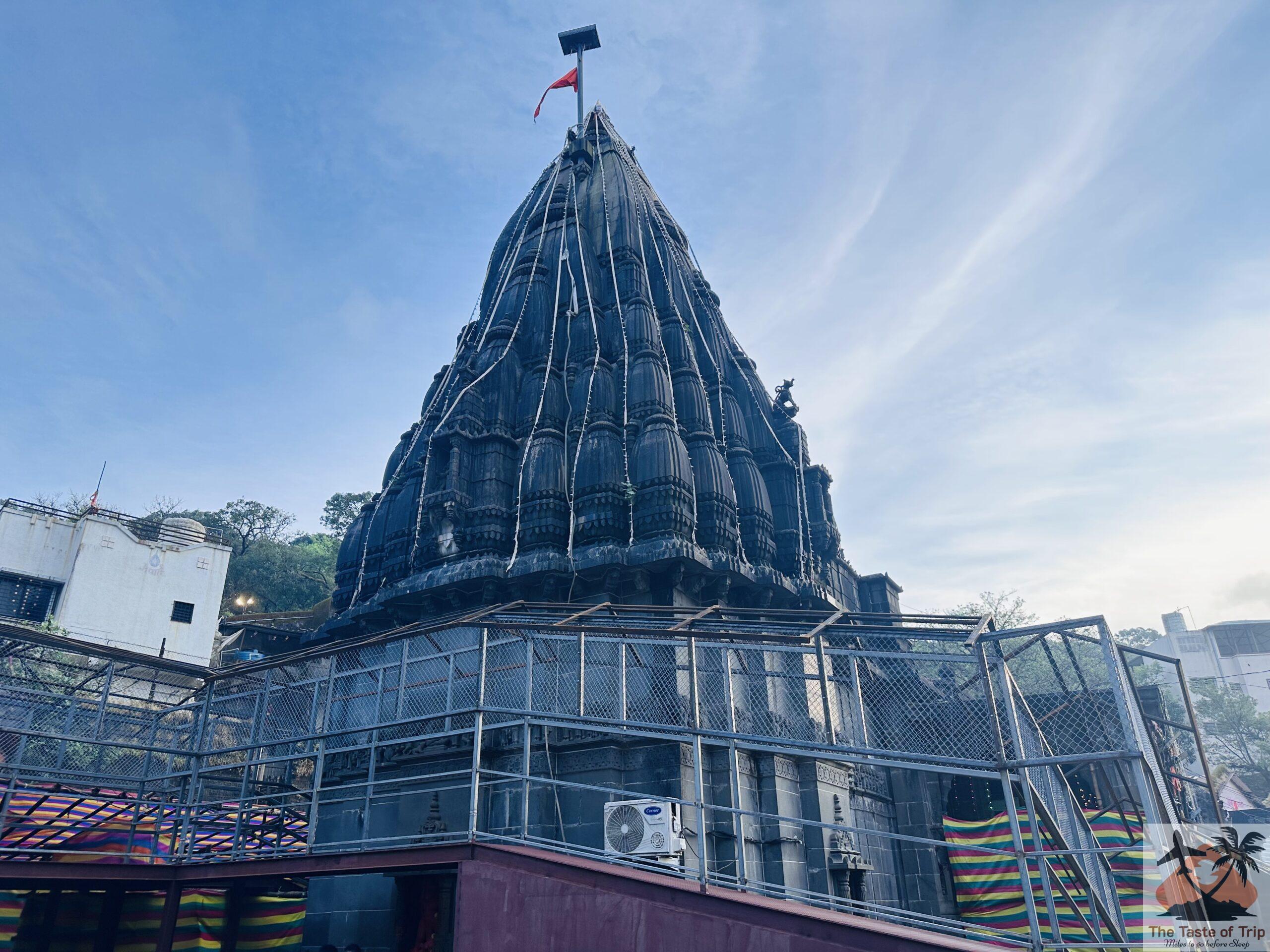
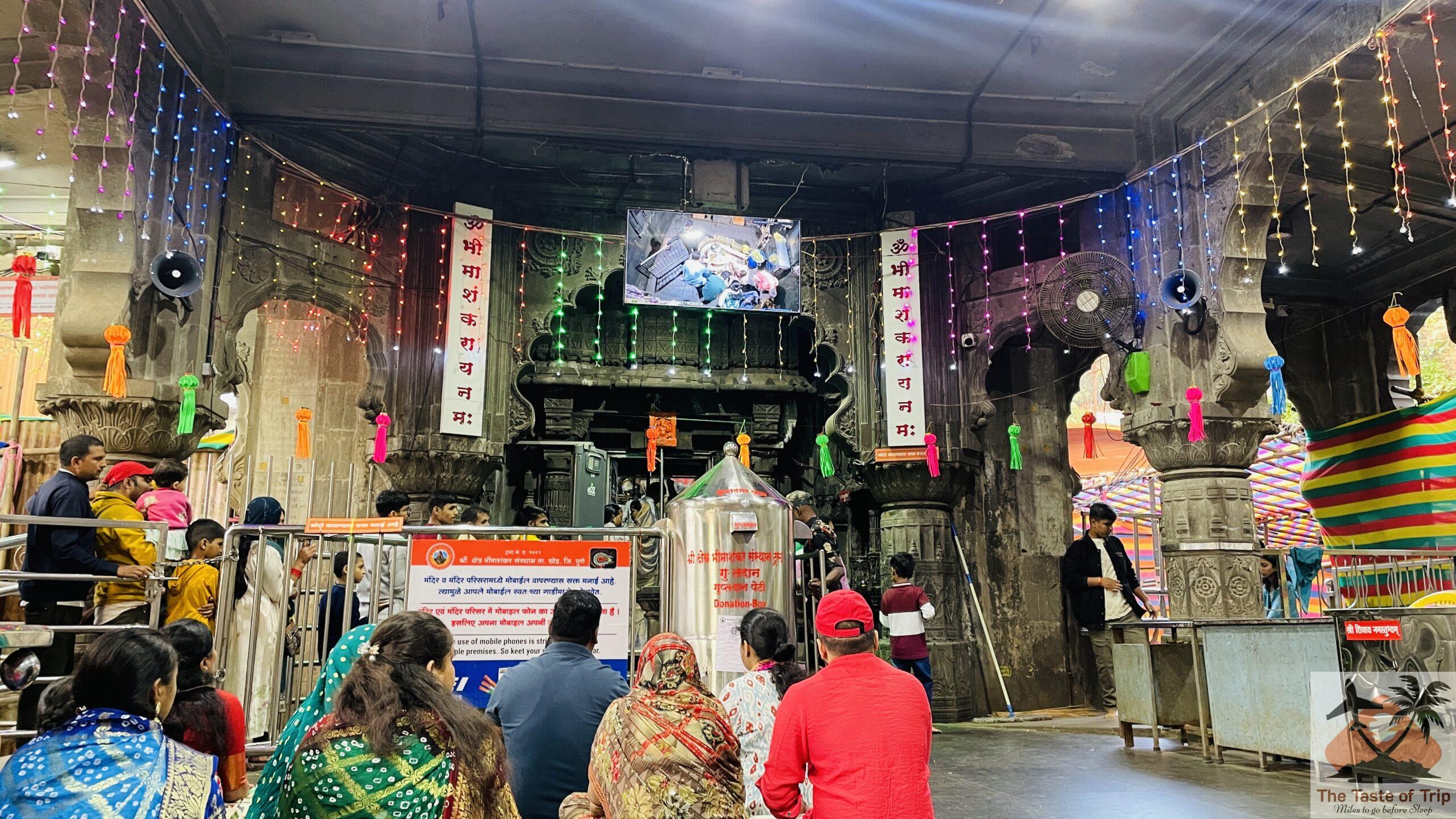
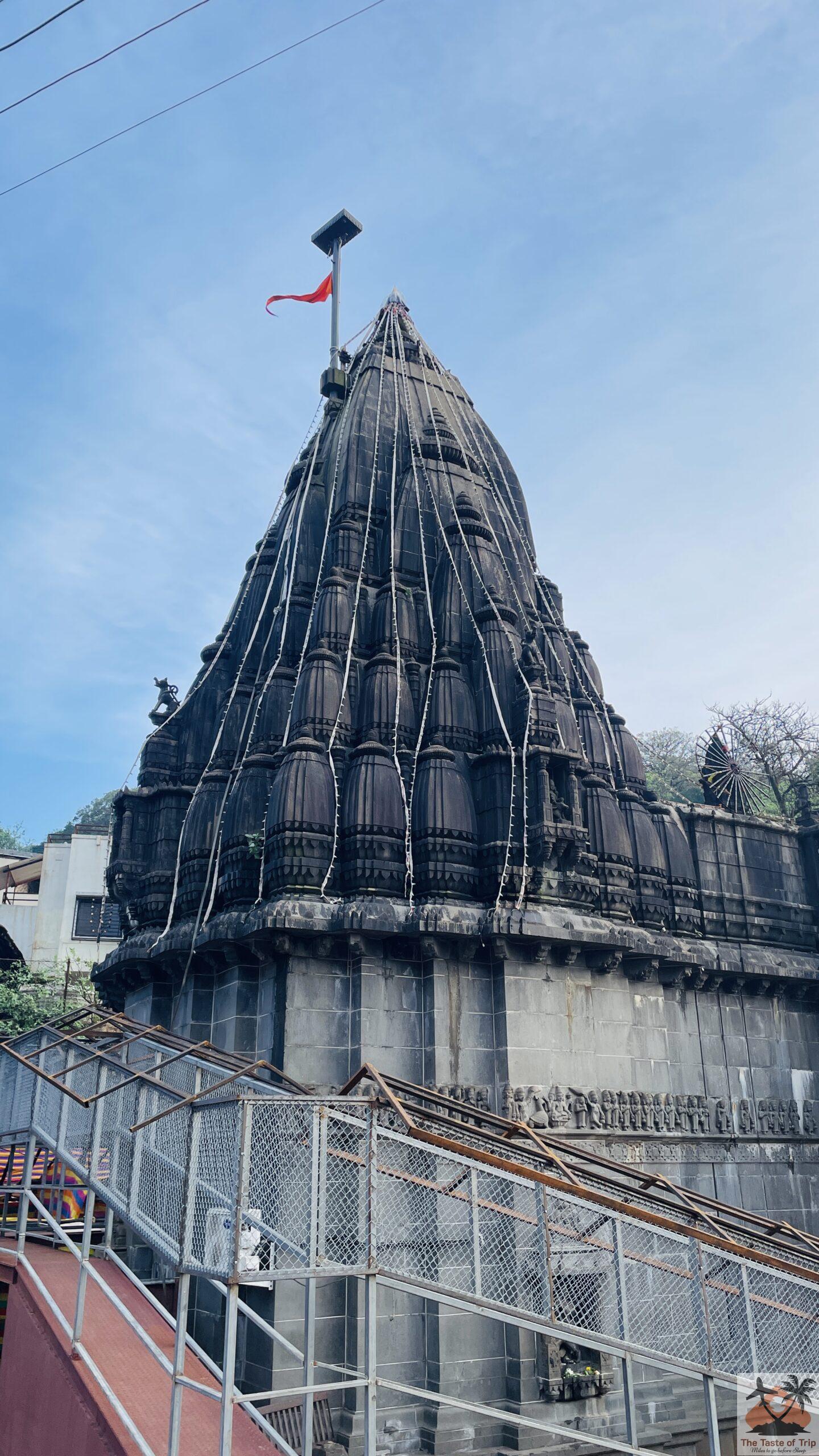
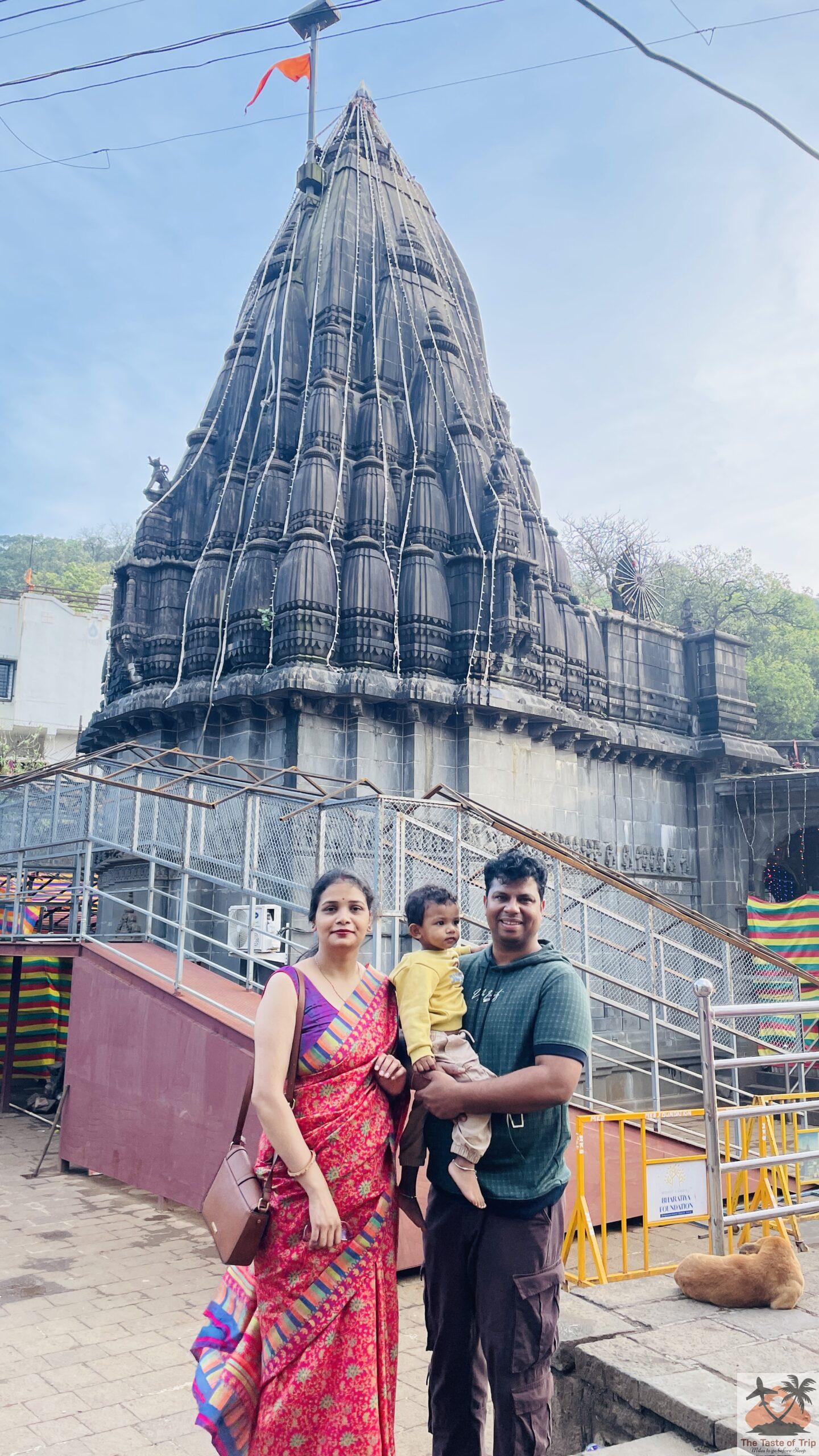
Historically also, Bhimashankar Jyotirling Temple is considered very old and important. The architecture of the temple shows ancient Indian temple style, with later repairs and renovations done over time. Many people connect parts of the temple structure with the Maratha period, when devotion for Lord Shiva grew strongly in Maharashtra. Even today, the temple carries that old sacred energy, and standing inside the main sanctum gives a unique spiritual feeling.
➥Shravan – The Most Divine Time to Visit
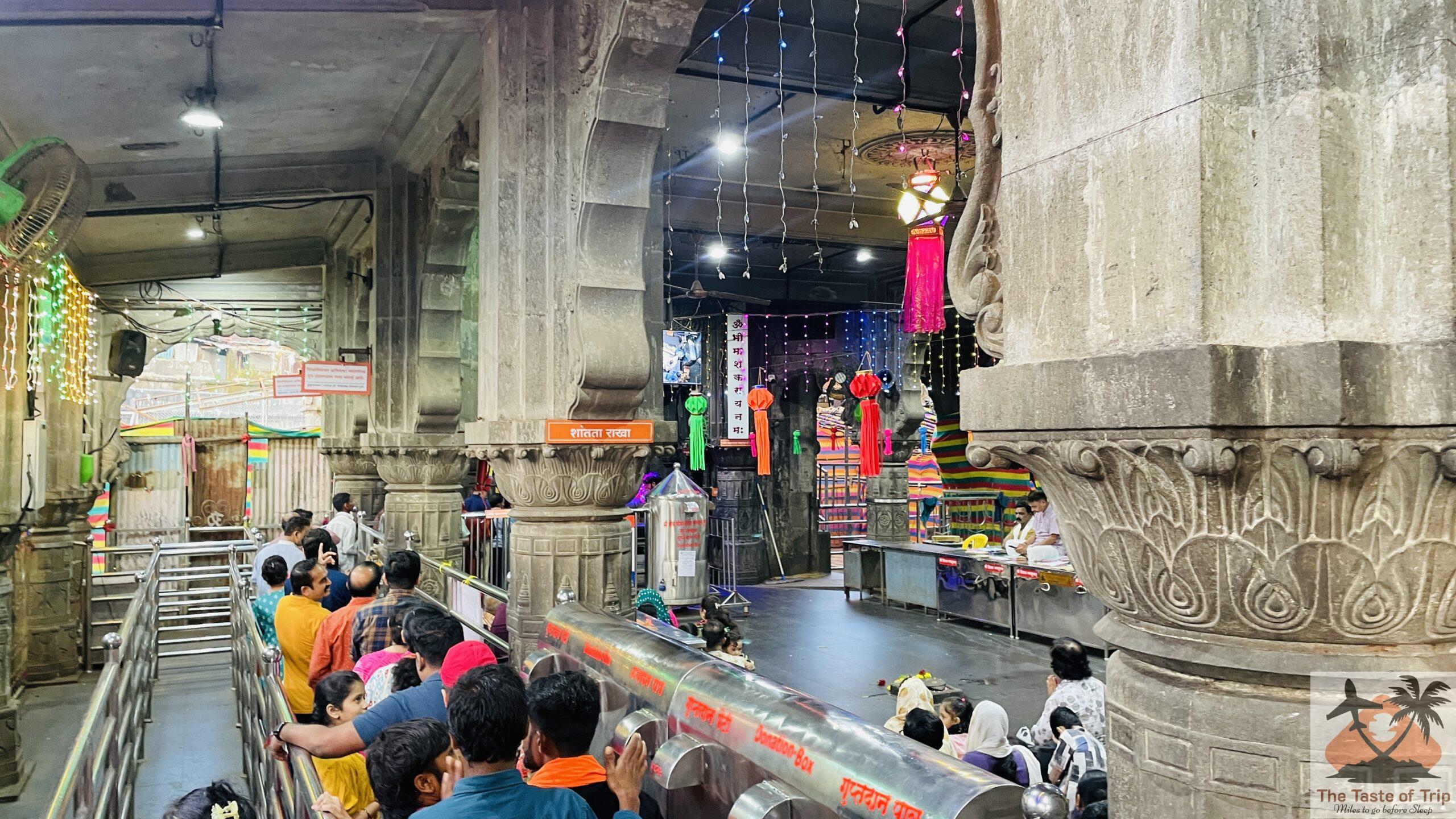
The most special and powerful time to visit Bhimashankar Jyotirling Temple is during the holy month of Shravan (Sawan). Since Bhimashankar is one of the sacred 12 Jyotirlingas, thousands of devotees plan their darshan in this month to seek blessings of Mahadev. During Sawan, the entire atmosphere becomes highly devotional—chants of “Har Har Mahadev” echo continuously, and from early morning the whole temple area feels alive with faith and energy. Devotees arrive with deep devotion, carrying offerings like flowers, bel leaves, milk, and holy water for abhishek.
At the same time, Sawan also brings a huge rush. Long queues are common, especially on Mondays and weekends. Even though the temple management and local administration arrange security and crowd control, the crowd can still feel overwhelming. Yet, despite the tiredness, the spiritual energy becomes stronger because everyone around is connected by the same devotion and belief. If you want a calm and less crowded visit, winter months are ideal.
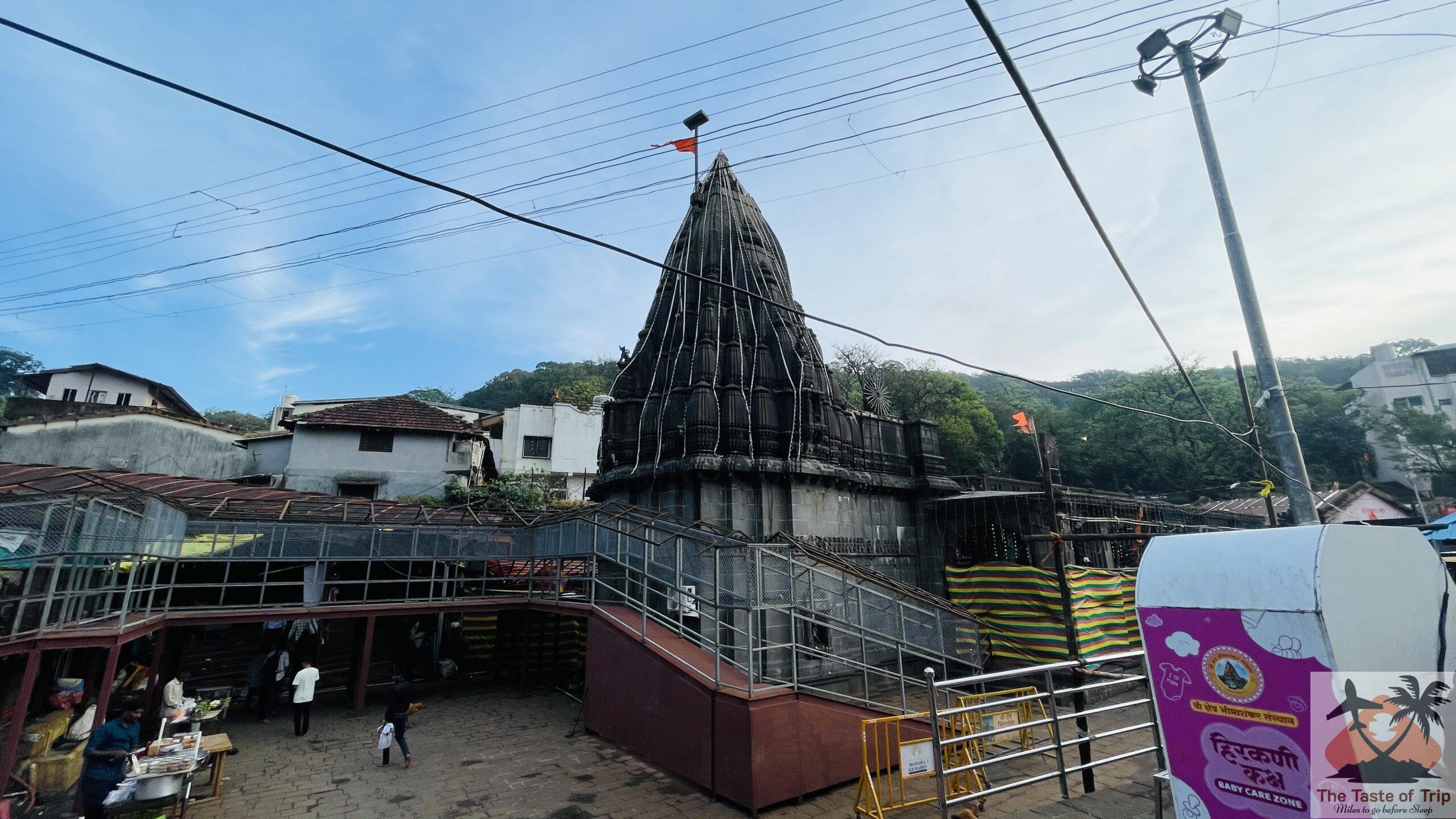
➥The Stairway Path to Darshan
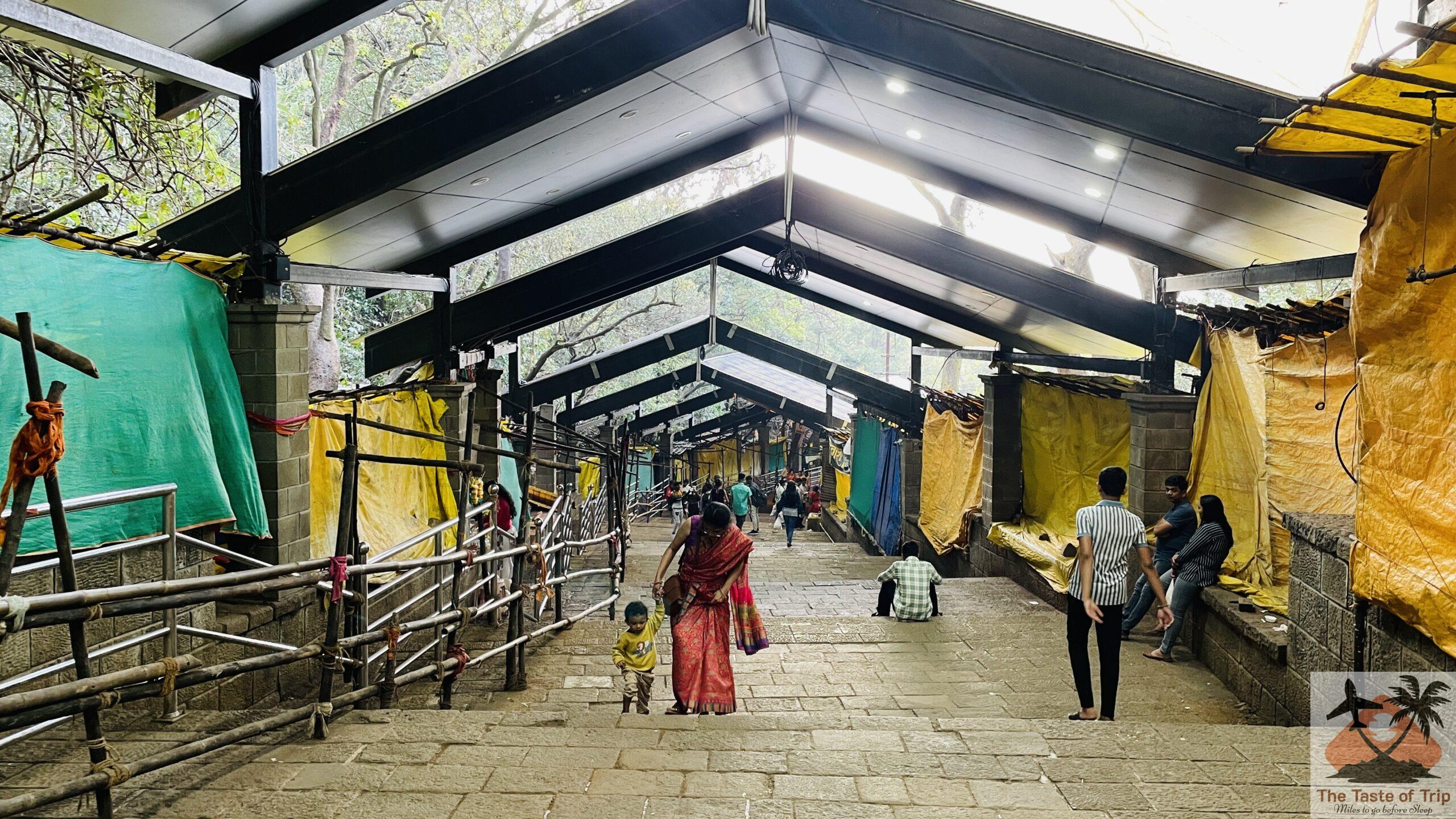
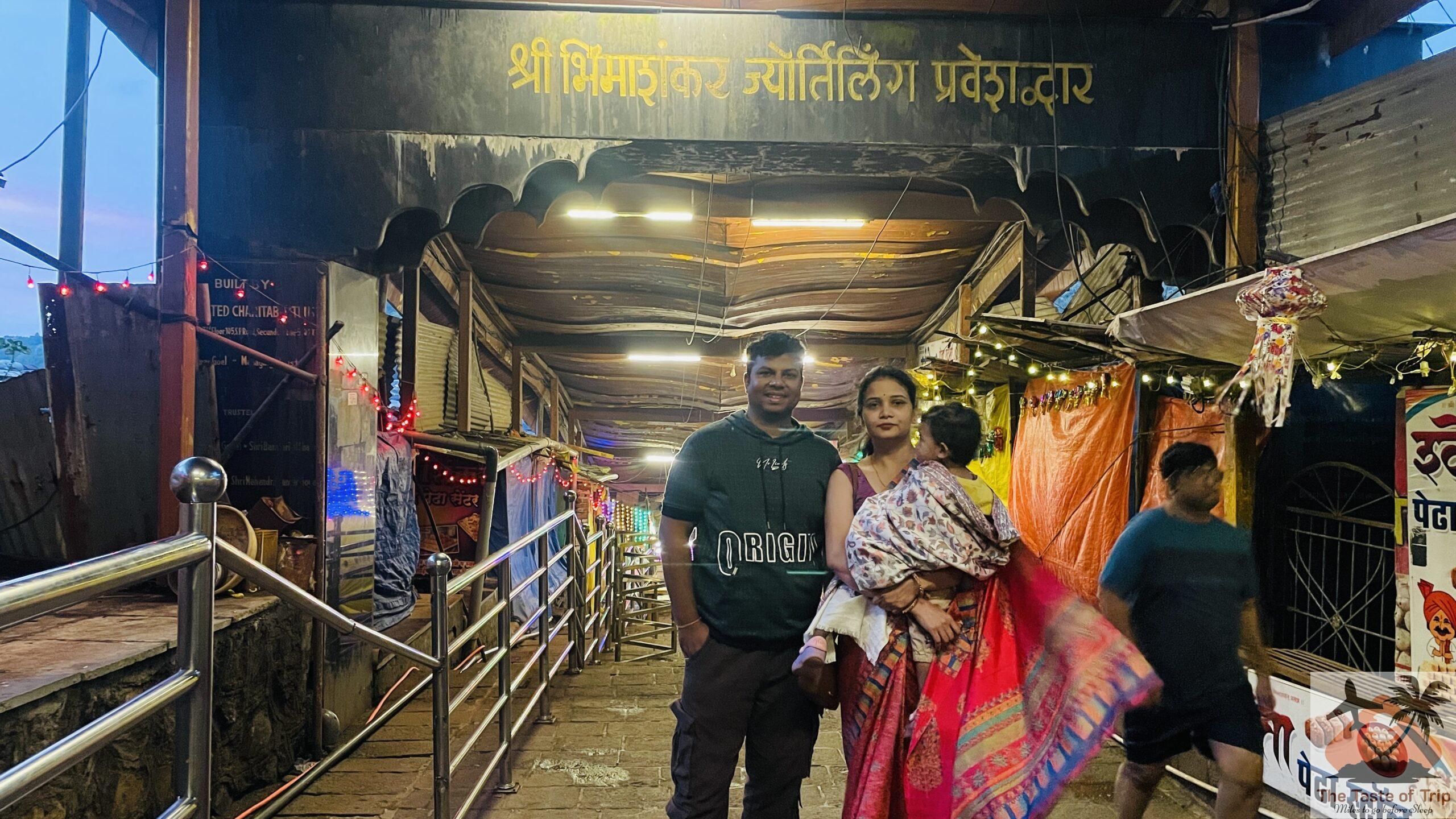
A memorable part of visiting Bhimashankar begins right from the parking area. After reaching the temple premises, most visitors park their vehicles near the main gate or in designated parking spaces. From there, the journey to the temple continues on foot, usually by going down a series of stairs, which creates a true “temple walk” feeling. The pathway is lively and filled with small shops selling garlands, coconuts, prasad, pooja items, and local snacks. Devotees keep moving forward, families click photos, and the soft sound of bells and bhajans adds a sacred touch to the surroundings.
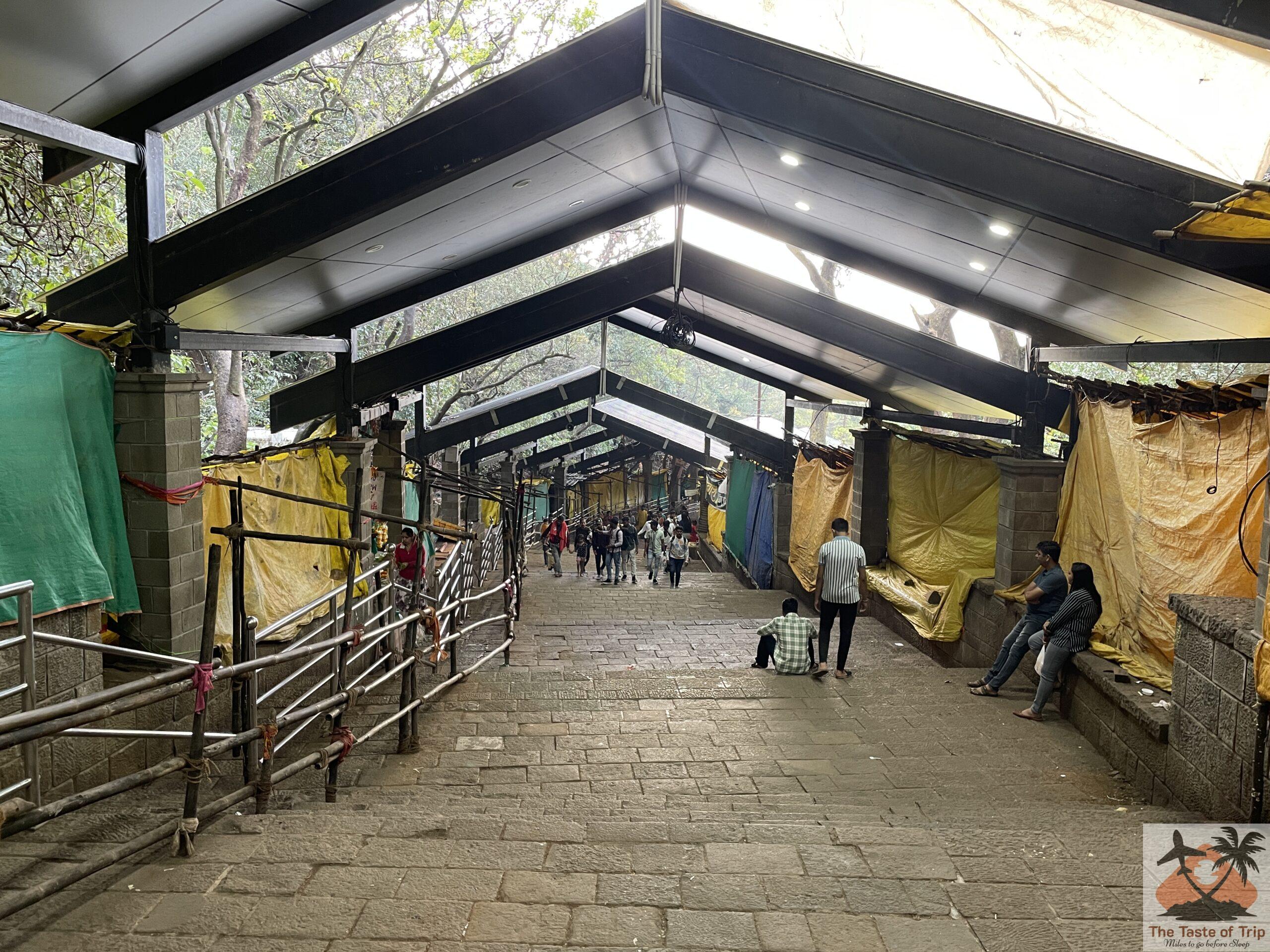
In the monsoon season, this walk feels even more magical—the cool breeze, foggy air, and rain-washed greenery make it feel like walking through nature’s own temple. However, the wet stone steps can become slippery, so extra caution is needed. Once you finally reach the main temple and stand before the Jyotirlinga, the entire tiredness disappears. The peaceful yet powerful presence of Lord Shiva makes the journey feel truly worth it—and the experience stays in the heart for a long time.
Bhimashankar Jyotirling Temple is more than a religious destination—it is a complete spiritual and natural experience. It offers a beautiful blend of devotion, history, mythology, lush greenery, foggy monsoon charm, and a peaceful environment that calms the mind. Whether you visit during the crowded and energetic Shravan (Sawan) season or in the misty, rain-washed monsoon months, Bhimashankar Jyotirling Temple stays in your heart as a lifelong spiritual memory. Maharashtra is blessed with three Jyotirlingas, and along with Bhimashankar, the other two sacred Jyotirling temples are Trimbakeshwar Jyotirling Temple (Nashik) and Grishneshwar Jyotirling Temple (near Chatrapati Sambhaji Nagar). If you ever wish to feel the beauty of nature along with the powerful blessings of Lord Shiva, Bhimashankar Jyotirling Temple is truly a perfect place to visit.
**************************
➜ Don’t Miss in Bhimashankar Jyotirling Temple: Experience the divine energy of the Jyotirlinga along with the beauty of dense forests and misty Sahyadri hills. The stairway walk from parking to the temple, local stalls, and monsoon fog create a memorable spiritual journey. In Shravan, the atmosphere becomes deeply devotional with continuous chants of “Har Har Mahadev”.
➜ How to Reach Bhimashankar Jyotirling Temple: Bhimashankar is about 110 km from Pune and 210–220 km from Mumbai, well connected by road. Private vehicles, taxis, and state transport buses are easily available from Pune and nearby towns like Manchar and Ghodegaon.
➜ Best Time to Visit Bhimashankar Jyotirling Temple: Monsoon (June–September) is the most scenic, with lush greenery and foggy weather, while Shravan (Sawan) is the most sacred but crowded. Winter months (October–February) offer pleasant weather and a calmer darshan experience.
➜ Time Required to Explore Bhimashankar Jyotirling Temple: One full day is sufficient for temple darshan and enjoying the surroundings. A 1 day trip is ideal for a relaxed visit, especially during monsoon or Shravan.
Information Source: Authentic information sources available on internet, Various Articles and books on the subject & Interaction with local public.
For more information & feedback write email at : ikanchan2024@gmail.com